



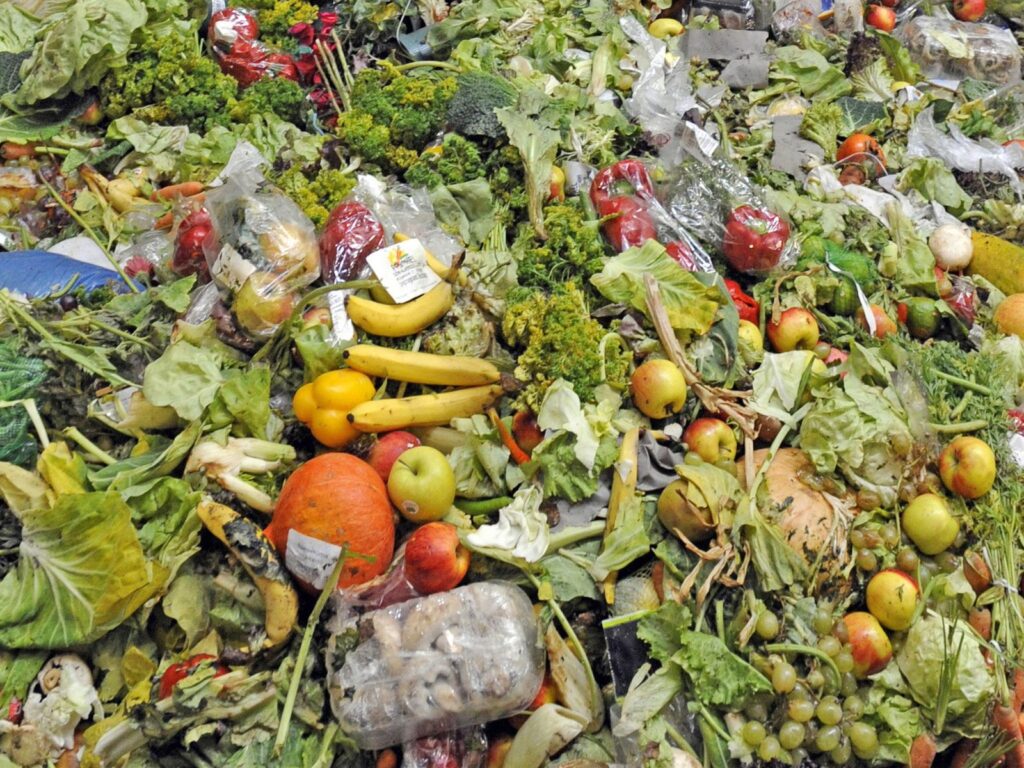
Food waste is becoming a major global problem. Huge amounts of food are thrown away while many people still face hunger, and wasted food also harms the environment, adds to climate change and wastes natural resources.
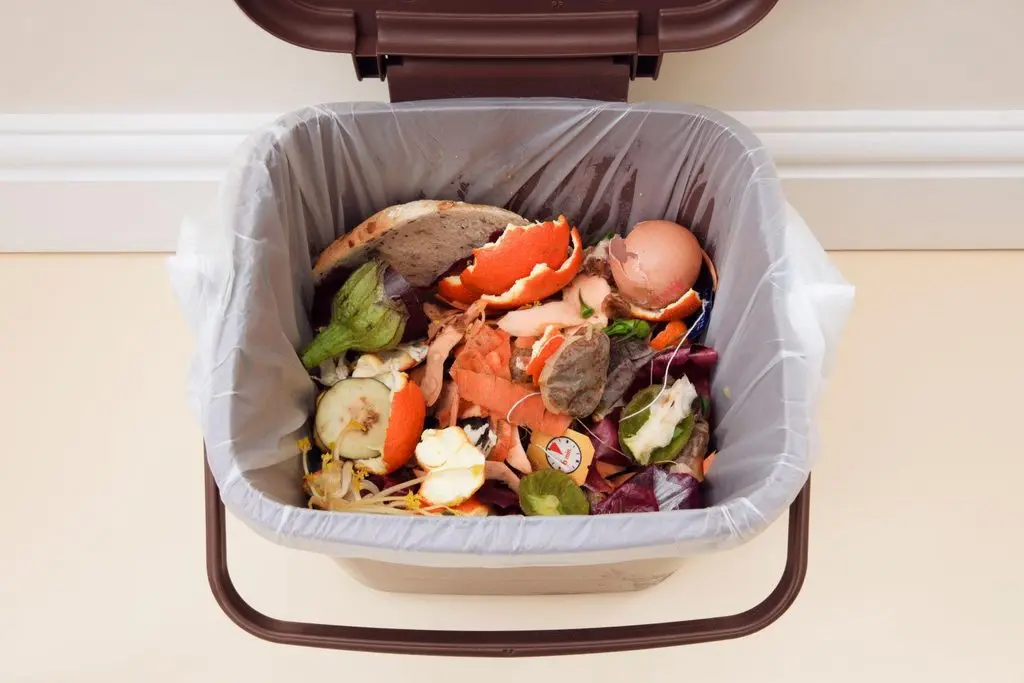
Şeren Özkan, a Turkish writer and content creator, says that for the past seven years she has changed how she shops, buying only what she or her family can finish, to reduce waste.
Since 2019 she has followed a zero-waste lifestyle, with cutting food waste a key part of it. Moving house, illness or holidays sometimes interrupt her routine, but cutting waste has become a daily habit.
Food waste is a global problem
The UN Environment Programme’s (UNEP) 2024 report says more than one billion tonnes of food is thrown away worldwide every year, while about 645 million people face hunger.
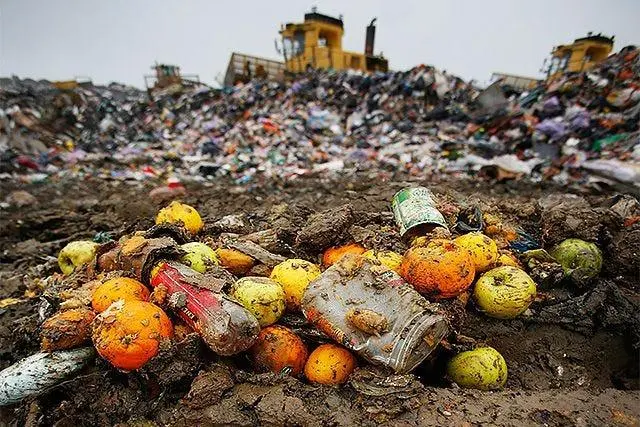
It also found that people waste on average about 79 kilograms of food per person per year at home, equal to at least one billion meals lost every day worldwide.
Households produce the most food waste, 60%, followed by food services such as restaurants and school canteens at 28%, and retail at 12%.
Dr Liz Goodwin, senior fellow on food loss and waste at the World Resources Institute (WRI), says the United States is one of the countries with high food waste, and some countries in the Middle East also waste a lot of food even though they import large amounts.
UNEP also found that household food waste is similar in many countries, which shows this is not only a problem for high-income or low-income countries but a shared global problem.
Hot countries also face limited refrigeration and cold storage, which makes food spoil faster and adds to waste.
Food waste affects the climate
The United Nations says food loss and waste cause about 8–10% of global greenhouse gas emissions. Halving food waste by 2030 is therefore one of the UN Sustainable Development Goals (SDGs).
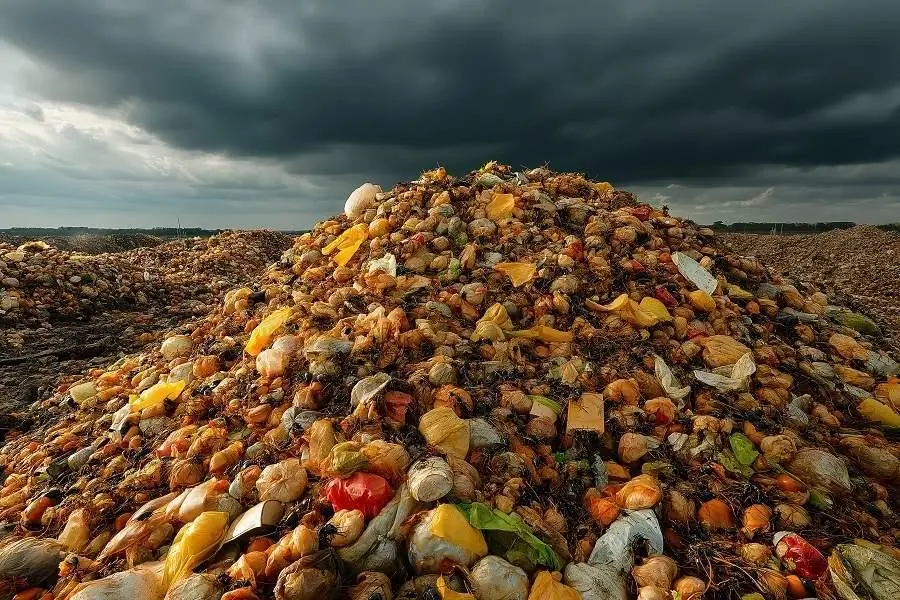
When food is buried in landfill and breaks down without oxygen, it releases methane, a greenhouse gas that traps 84 times more heat than carbon dioxide over 20 years.
Producing food also uses large amounts of land, water and energy. When food is thrown away, those resources are lost too, and biodiversity suffers.
Cutting food loss and waste therefore not only protects the environment but also puts more food on the market, which could lower prices and help more people get enough to eat.
Cutting food waste starts at home
Environmental experts say that although climate change is a huge problem, everyone can help by changing small daily habits.
Project Drawdown, a non-profit that promotes science-based climate solutions, says reducing food loss and waste is one of the most important climate actions individuals can take.
Dr Goodwin suggests simple first steps: plan meals before shopping, buy only what you need, and understand date labels, especially the difference between “best before” and “use by”.
A “best before” date is about quality, not safety. A “use by” date matters for safety and should be followed strictly.
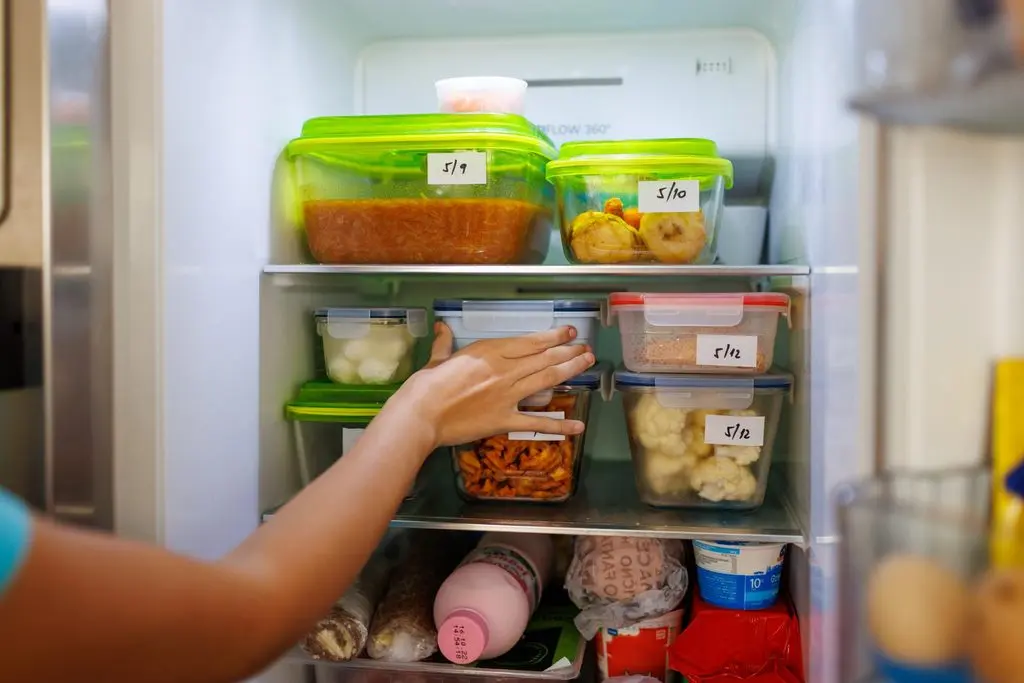
Other practical tips include:
- Arrange the fridge so that food bought first is used first.
- Plan weekly meals and work out the right amounts of ingredients.
- Turn leftovers into new dishes.
- Blend vegetables that are about to go off into sauces or cook them into other dishes.
- Use suitable vegetable scraps and peels to make stock, or compost them.
Sustainability campaigners in several countries also share ideas such as using AI to calculate how much of each ingredient a meal needs, checking shopping receipts to see how much wasted food costs, and keeping a fridge shelf for food that should be eaten first.
Lessons from countries that succeeded
Japan is a leading example. According to UNEP, it has halved food waste in households and in business supply chains.
That success came from several factors: public awareness, rules requiring businesses to report data, and cooperation between government and the private sector.
The United Kingdom cut food waste by 22% through cooperation among businesses across the food supply chain to find where waste happens and agree on ways to reduce it. The approach has since been adopted in countries such as South Africa, Indonesia, Mexico and Brazil.
Still, experts say global progress is not fast enough and there are many obstacles to halving food waste by 2030.
Dr Goodwin says businesses have made more progress than governments: many large food companies have set targets and started programmes to cut waste. But governments need to do more, especially by requiring businesses to measure and report food waste systematically.
Solving food waste needs cooperation from government, business and the public. Changes at home, such as planning before shopping, storing food properly and using leftovers, can start right away.
As Dr Goodwin puts it: “In the end, whether we throw something away or not is up to us.”
Cutting food waste may start with small actions by each person, but if everyone takes part, it can make a big difference to society and the environment in the long run.
Reference: UNEP