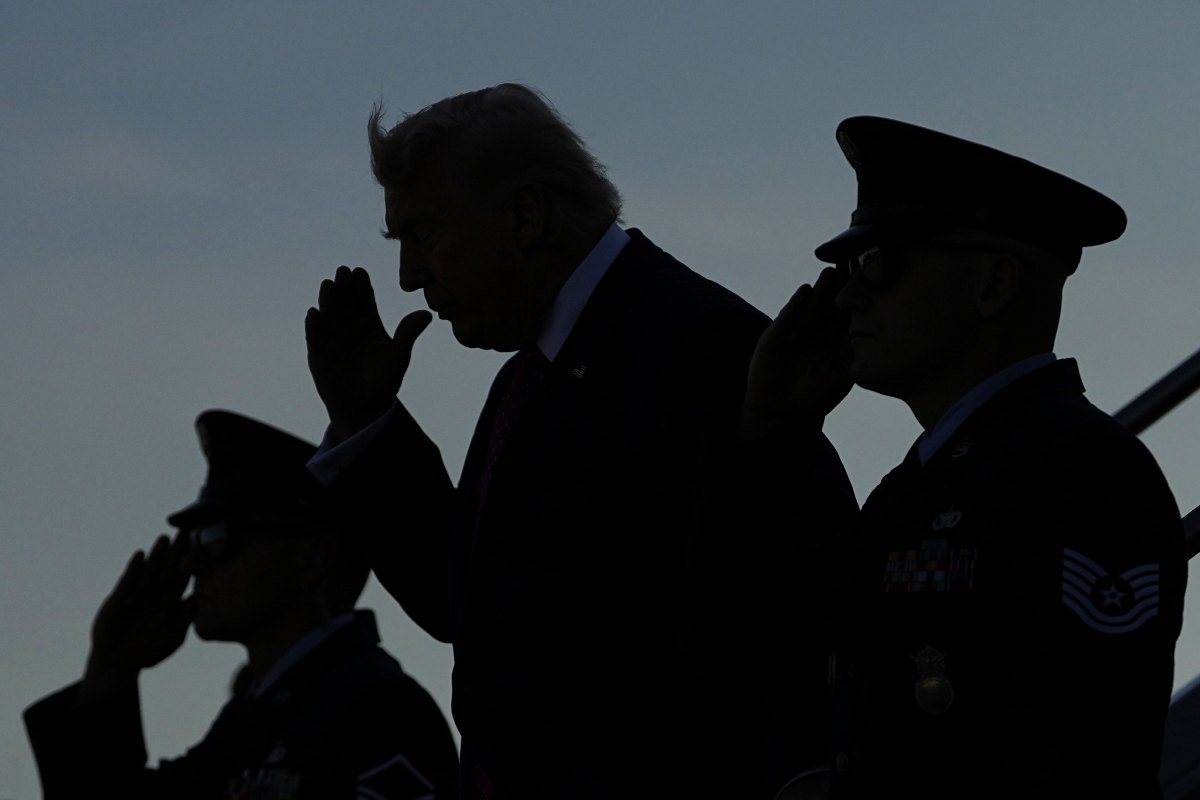


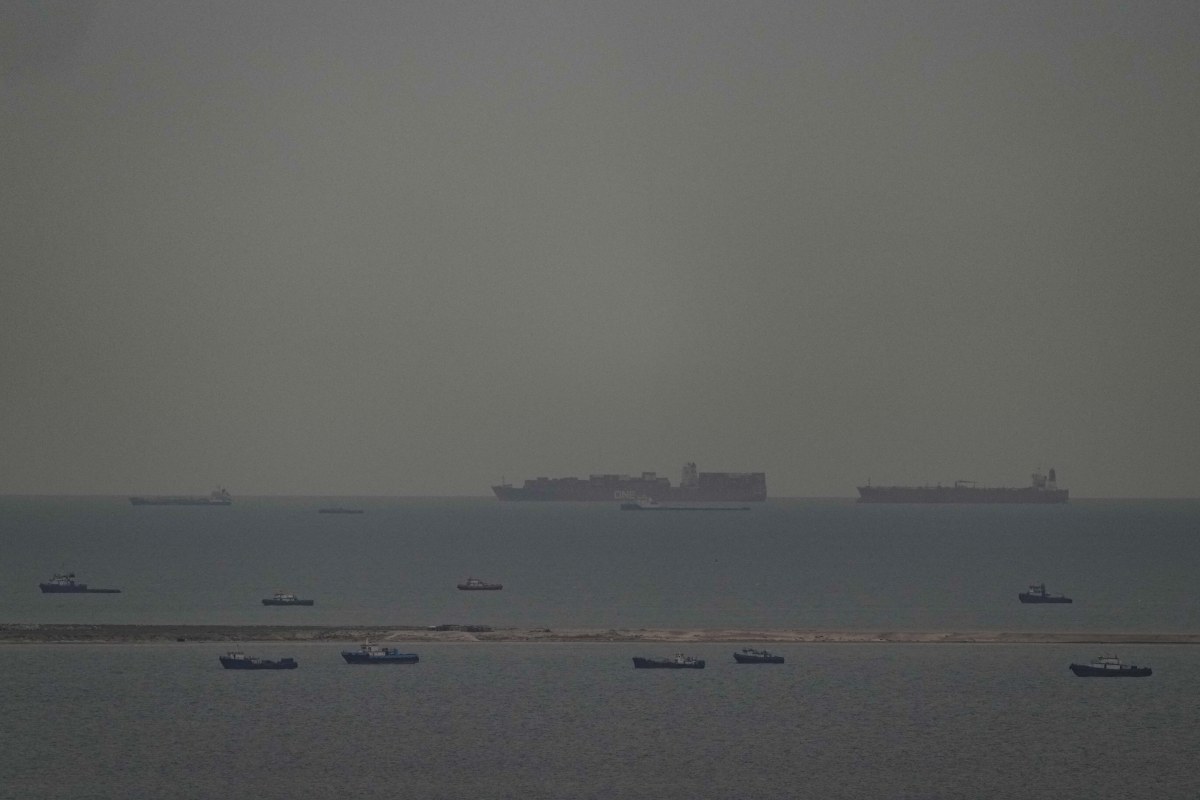
WASHINGTON – US President said on Friday that the reopening of the Strait of Hormuz with the Iranians in Pakistan on Saturday, asserting the crucial global energy waterway will reopen soon and “automatically,” with or without ‘s cooperation.
“That will open up automatically,” Trump told reporters. He later said he believed the waterway would be open “fairly soon.”
“I think it’s going to go pretty quickly. And if it doesn’t, we’ll be able to finish it off one way or the other,” Trump said of the strait, which Iran effectively closed during the more than one-month-long US-Israeli war against Iran.
Trump said his main focus in a deal with Iran was ensuring that Tehran cannot obtain a nuclear weapon.
“No nuclear weapon. That’s 99 percent of it,” Trump said.
RELATED ARTICLES
Earlier on Friday, Trump told The New York Post in a phone interview that the outcomes of negotiations with Iran will be clear “in about 24 hours,” threatening that US warships are being reloaded to resume strikes on Iran if peace talks in Pakistan fail.
Iran on Friday declared that its armed forces remain at full readiness, just as during the 40-day “asymmetric battle,” given the “frequent breaches of promises” by the US and Israel.
The US, Iran and Israel have all claimed victory in the war. Analysts believe the current ceasefire is fragile and that competing interests and long-standing differences would make it difficult to reach a permanent peace deal in the upcoming negotiations.
Iranian delegates arrive in Pakistan
The Iranian delegation, led by Parliament Speaker Mohammad Baqer Qalibaf, arrived in Islamabad early on Saturday for talks with the US to end the hostilities in the Middle East. However, distrust between the two adversaries still shadows their peace talks scheduled for later on the day.
Speaking to reporters upon arrival at Islamabad, Qalibaf told reporters that “twice within less than a year, in the middle of negotiations, and despite the Iranian side’s good faith, they attacked us and committed numerous war crimes,” recalling the country’s past experience of betrayal by the US.
“We have goodwill, but we do not have trust (in Americans),” he reiterated, according to the Tasnim news agency.
If the American side is ready for a genuine agreement and to grant the rights of the Iranian nation, then they would witness Iran’s readiness for an agreement. However, should Washington seek to use negotiation as a futile show and a deception operation, Tehran is prepared to secure the Iranian nation’s rights by relying on its own capabilities, he said.
According to Iranian media reports, Qalibaf, with his fellow delegates, will meet Pakistani Prime Minister Shehbaz Sharif on Saturday morning. If the US side accepts the preconditions proposed by Iran – a ceasefire in Lebanon and the release of Iran’s blocked assets, the two sides will begin negotiations at the Serena Hotel on Saturday afternoon.
US Vice President JD Vance on Friday left Washington for Islamabad, Pakistan, and is expected to land here in the midday. Before his departure, the US negotiation team leader warned Iran not to “play” the US in the upcoming talks.
“As the president of the United States (Donald Trump) said, if the Iranians are willing to negotiate in good faith, we’re certainly willing to extend the open hand. If they’re going to try to play us, then they’re going to find that the negotiating team is not that receptive,” Vance said.
“We’re going to try to have a positive negotiation. The president gave us some pretty clear guidelines, and we’re going to see,” said Vance.
Trump on Friday stepped up pressure ahead of US-Iran talks, claiming that Iran has “no cards” other than short-term “extortion” with the Strait of Hormuz.
“The Iranians don’t seem to realize they have no cards, other than a short-term extortion of the World by using International Waterways,” Trump wrote on his social media platform Truth Social on Friday. “The only reason they are alive today is to negotiate!”
In a televised speech late Friday, the Pakistani prime minister said that the US and Iranian sides would hold talks on Saturday to find a peaceful solution to the Middle East conflict and the Pakistani leadership will make the best of its efforts to make the talks a success.
To prepare for the success of the US-Iran talks, Pakistan’s capital is under tight security.
Analysts said that the negotiations are being closely watched for signs of whether they can evolve into sustained diplomacy or collapse under longstanding structural tensions, but holding talks has opened a rare diplomatic window between the two adversaries.
UN Secretary-General Antonio Guterres welcomes the upcoming US-Iran talks and calls on the parties to seize this diplomatic opportunity to engage in good faith toward a lasting and comprehensive agreement, with a view to de-escalation and the prevention of a return to hostilities.
“The Secretary-General reiterates that there is no viable alternative to the peaceful settlement of international disputes, in full accordance with international law, including the UN Charter,” his spokesperson said Friday.