

Proposal to deploy SDF signals further erosion of pacifist limits, experts warn
Japan’s proposal to send troops to the Middle East for post-ceasefire minesweeping has sparked widespread criticism, with experts warning it marks a deliberate erosion of constitutional limits and a further expansion of overseas military activity, risking regional and global stability.
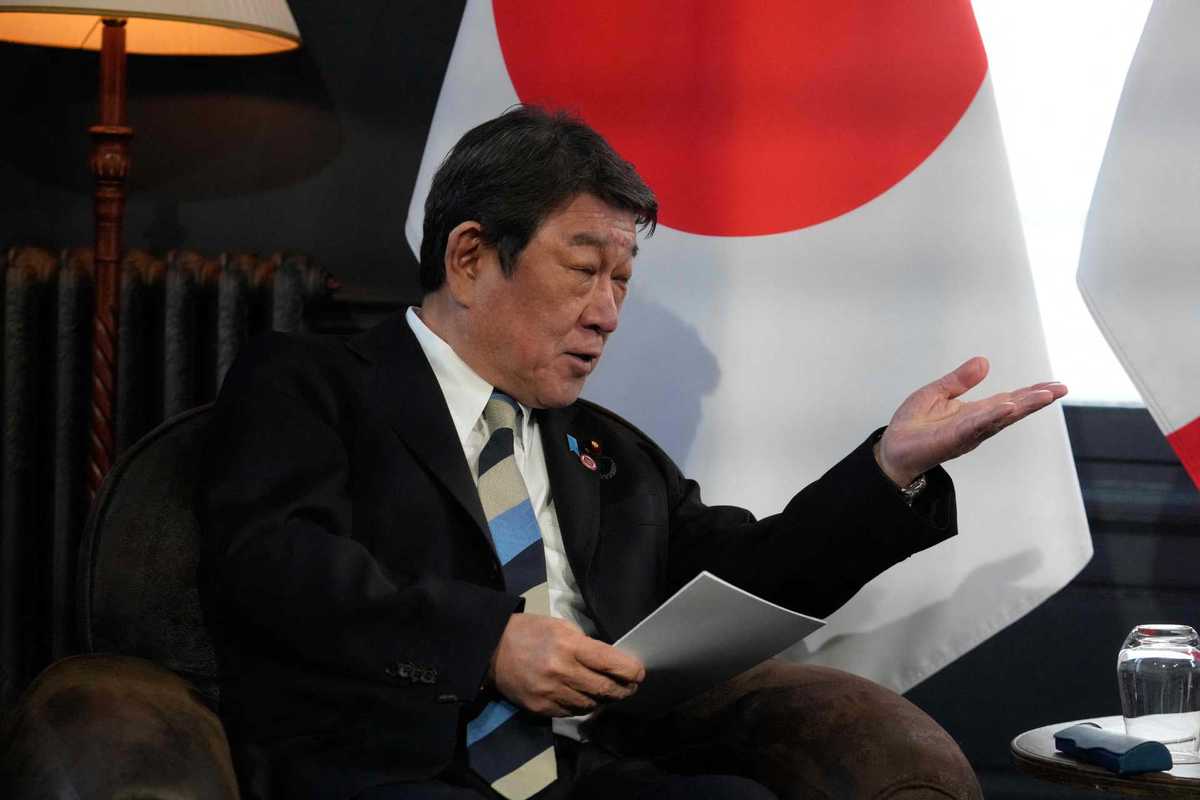
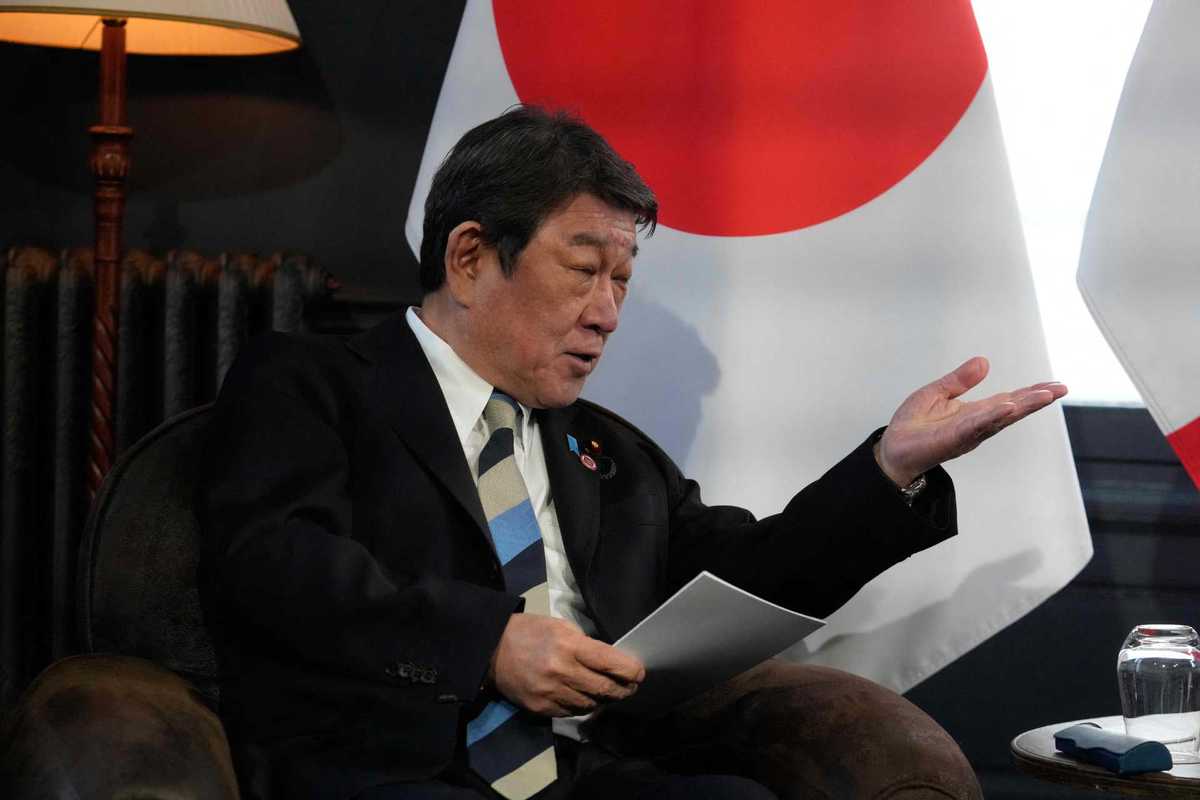
Foreign Minister Toshimitsu Motegi said on March 22 that Tokyo could consider dispatching Self-Defense Forces for minesweeping in the Strait of Hormuz if a ceasefire is reached in the conflict involving Iran, the United States and Israel.
“Japan’s minesweeping technology is among the best in the world,” Motegi told Fuji Television when asked about the possibility of dispatching minesweepers to the Middle East. “We would consider such a move if a ceasefire is reached and mines are obstructing navigation.”
His remarks followed a recent summit between US President Donald Trump and Japanese Prime Minister Sanae Takaichi, during which Trump urged Tokyo to “step up” as Washington pressed allies — so far unsuccessfully — to deploy warships to help open the strait.
Motegi said Trump had acknowledged Japan’s constitutional and legal constraints on the overseas use of its military.
Japan’s overseas troop deployments are limited by Article 9 of its pacifist constitution. Despite a clear rightward shift in foreign policy and incremental loosening of restrictions on overseas military operations through revisions of security legislation since 2015, public opinion remains a key constraint.
Recent polls show most Japanese oppose dispatching warships to the Middle East in response to the conflict. A Yomiuri Shimbun survey found 67 percent against sending the SDF, while an Asia News Network poll showed 52 percent opposed.
Liu Shuliang, an associate researcher at the Tianjin Academy of Social Sciences, said Japan’s proposal underscores a consistent pattern of overseas SDF deployments aimed at enhancing its military presence.
After the 1991 Gulf War, Japan sent minesweepers to the Persian Gulf. Following the 2003 Iraq War, it deployed SDF personnel to Iraq for “noncombat” support. Since 2009, Japanese naval vessels have operated in the Gulf of Aden on escort missions in response to Somali piracy.
“The trend indicates that Japan is steadily broadening the scope of the SDF’s overseas activities, potentially preparing for larger-scale military operations in the future by turning such deployments into a ‘routine’ practice,” Liu said.
Symbolic response
Motegi’s remarks were largely a symbolic response to US calls to join escort operations in the Strait of Hormuz, Liu said, adding they conveyed the readiness to align with Washington while deliberately using the ambiguous phrase “may dispatch” to avoid a firm commitment.
“While a near-term SDF deployment to the Middle East remains unlikely, Japan’s past actions have already, in effect, extended beyond the principle of ‘exclusive defense’,”Liu said.
He said Japan’s 2015 security legislation reinterpreted Article 9 of the Constitution to allow the SDF to exercise collective self-defense and support allies in combat operations, easing long-standing legal constraints on overseas military activity.
In practice, Japan has expanded SDF activities through routine overseas deployments, such as escort missions in the Gulf of Aden, while advancing “counterstrike capabilities” and deploying longer-range missiles in Kyushu and the Southwest Islands, Liu said.
“From legal reinterpretation to operational practice, Japan’s incremental expansion of the SDF’s scope and authority is progressively testing the limits of its postwar peace constitution, pointing to an accelerating trajectory of ‘remilitarization’,” he said.
Chen Hong, executive director of the Asia Pacific Studies Centre at East China Normal University in Shanghai, said the US-Japan alliance stands out as the most significant external driver shaping Japan’s pursuit of “military normalization”.
Japan’s leadership appears to view strong US support as essential for advancing “military normalization”, or “remilitarization”, and seeks to strategically leverage the alliance, Chen said.
As the US revises its national security strategy, it expects Japan to take on greater military responsibilities and share regional security burdens, particularly in the Asia-Pacific region, he said. In this framework, Washington is perceived as selectively encouraging Japan’s expanded security role, he added.
“Japan’s approach offers a potential ‘template’ for other countries seeking to expand their military activities, and could be developing into a strategy with wider demonstration effects,” Chen said.
The international community should remain vigilant against incremental shifts that may undermine existing consensus and take decisive steps to safeguard the stability of the international order, he added.
Agencies contributed to this story.
Contact the writers at liujianqiao@chinadaily.com.cn