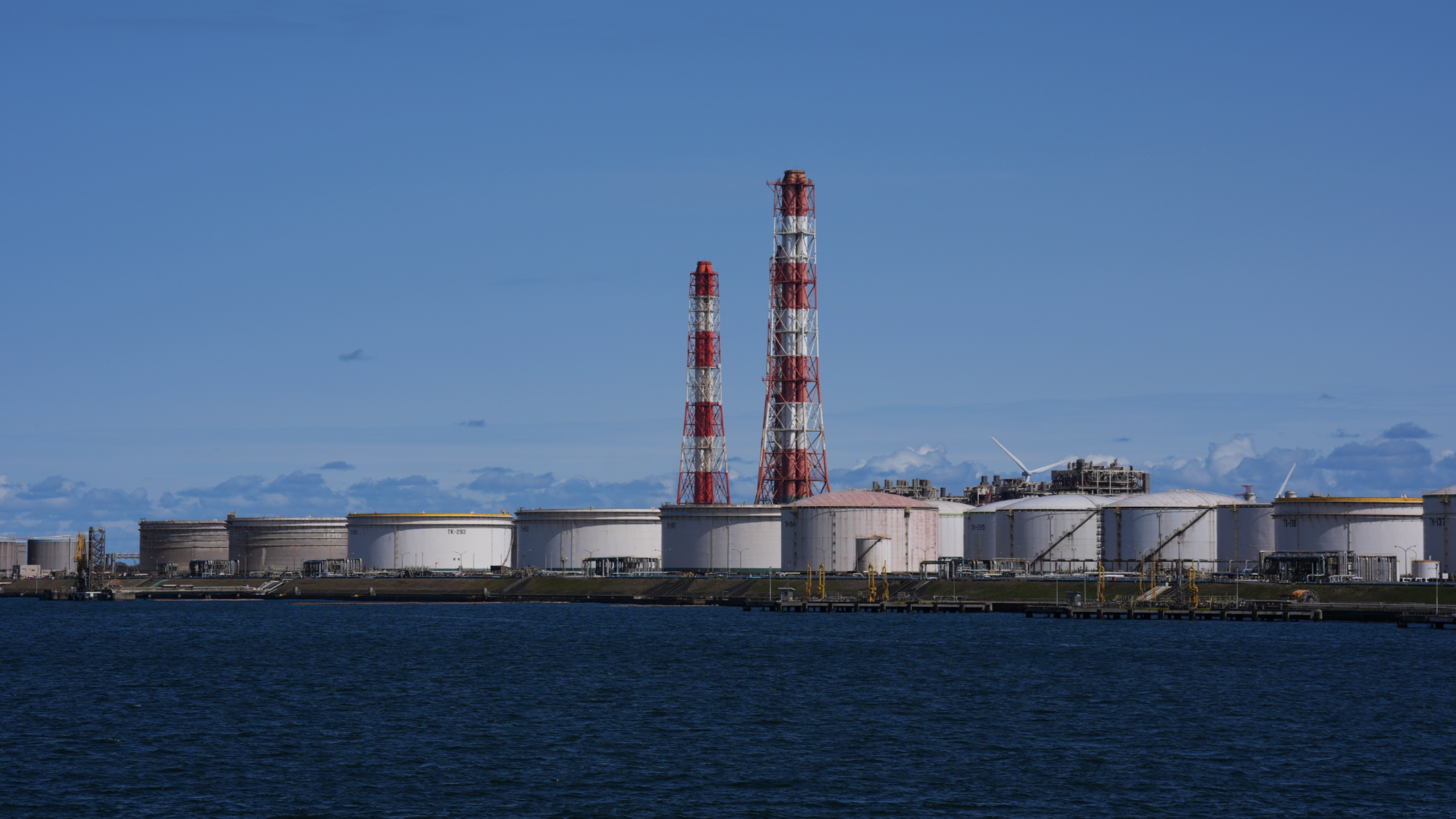


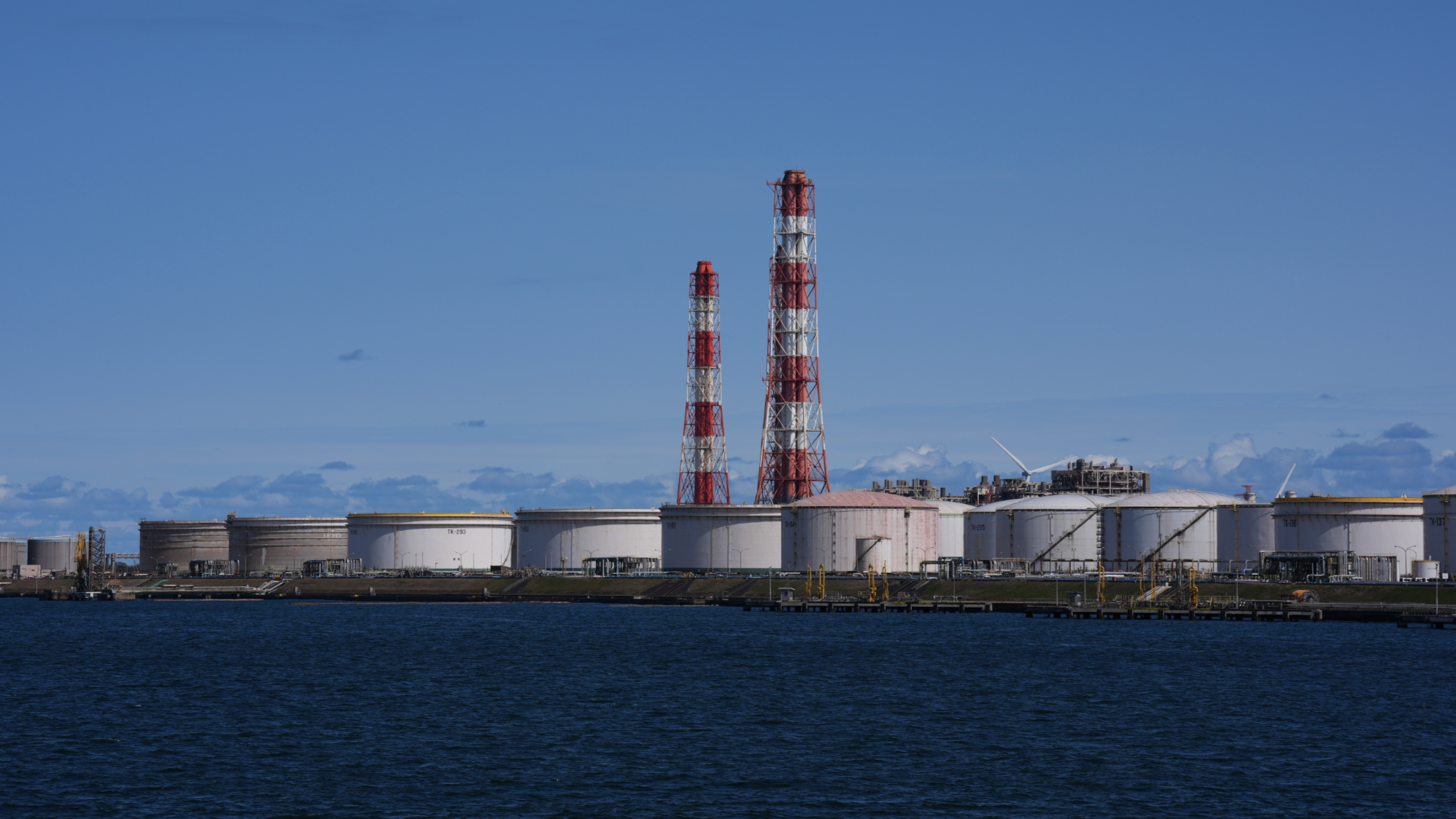
TOKYO – Japan began releasing oil from state reserves on Thursday to cushion the impact of the conflict on its economy, as concerns over supply mount and soar, local media reported.
The release of oil equivalent to 30 days of domestic demand came after the country started drawing down 15 days’ worth of oil from private-sector stockpiles last Monday.
The government plans to sell a total of about 8.5 million kiloliters of oil from 11 storage bases across the country, according to Kyodo News.
Japan will also begin to tap joint held in the country by three Middle Eastern nations, including the United Arab Emirates, with five days’ worth to be released by next Tuesday for supply to oil wholesalers.
During a meeting with , executive director of the (IEA), on Wednesday, Japanese Prime Minister asked the agency to prepare for additional coordinated releases of oil stockpiles in case the Middle East crisis drags on.
The call came after 32 member countries of the IEA agreed earlier this month on the coordinated release of a record 400 million barrels of oil reserves, which has already commenced.
Japan relies on the Middle East for more than 90 percent of its crude oil imports, leaving it highly vulnerable to the effective closure of the following the outbreak of the Middle East conflict in late February. The disruption has driven sharp rises in both crude oil and retail gasoline prices in the country.
To deal with the energy crunch, the government has decided to release about 80 million barrels of oil, the largest release ever. The amount equals 45 days of domestic consumption and is 1.8 times the volume released following the devastating earthquake and tsunami that rocked northeastern Japan in 2011.
This also marks the seventh time Japan has drawn on its oil reserves since the system was introduced in the 1970s. As of the end of 2025, Japan held an oil reserve equivalent to 254 days of domestic demand.
In addition to tapping oil reserves, the Japanese government also resumed gasoline subsidies to cap fuel costs for consumers. The measure has brought the average retail price for regular gasoline down to 177.70 yen (about $1.11) per liter from a record high of 190.80 yen last week.