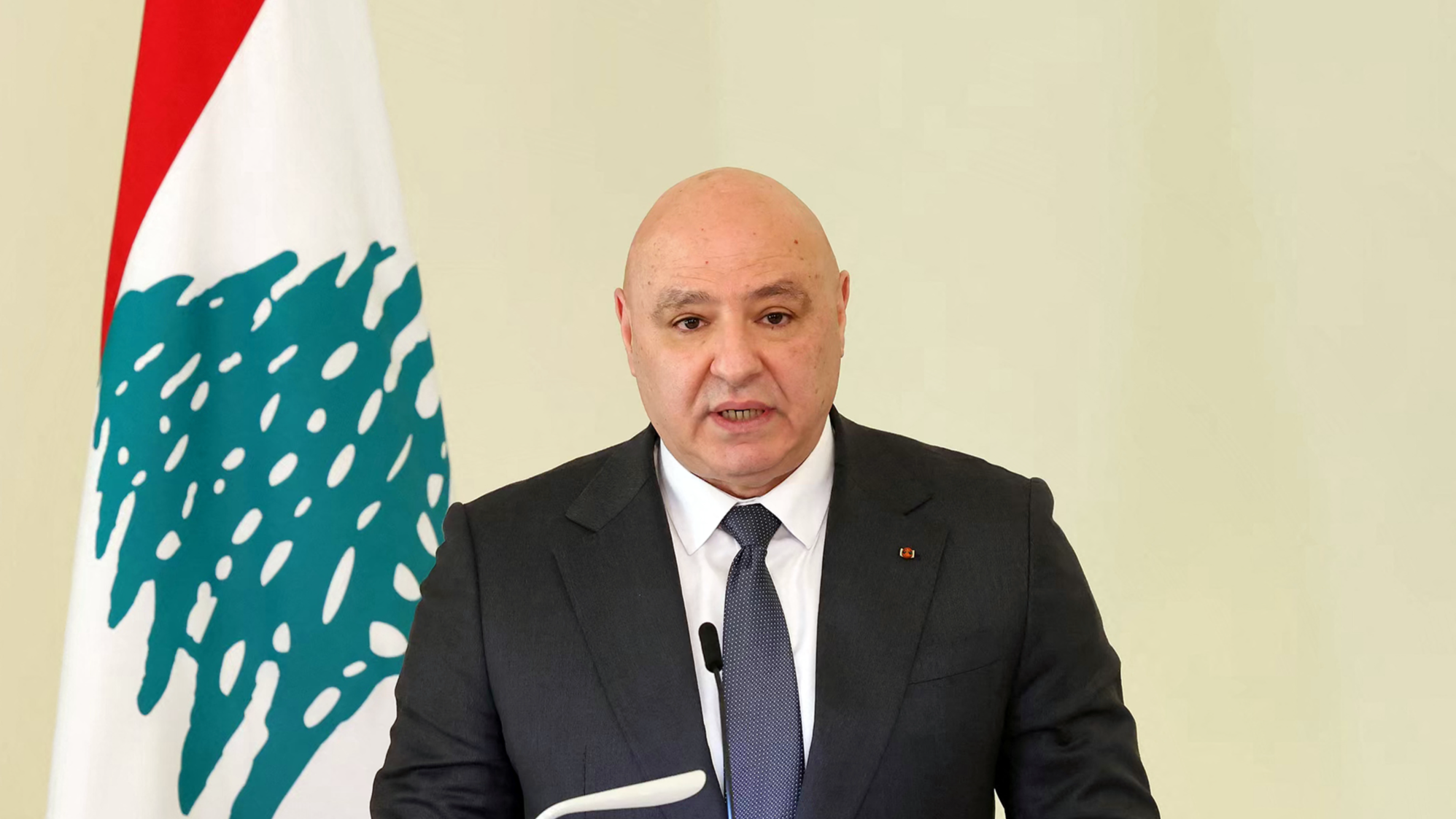


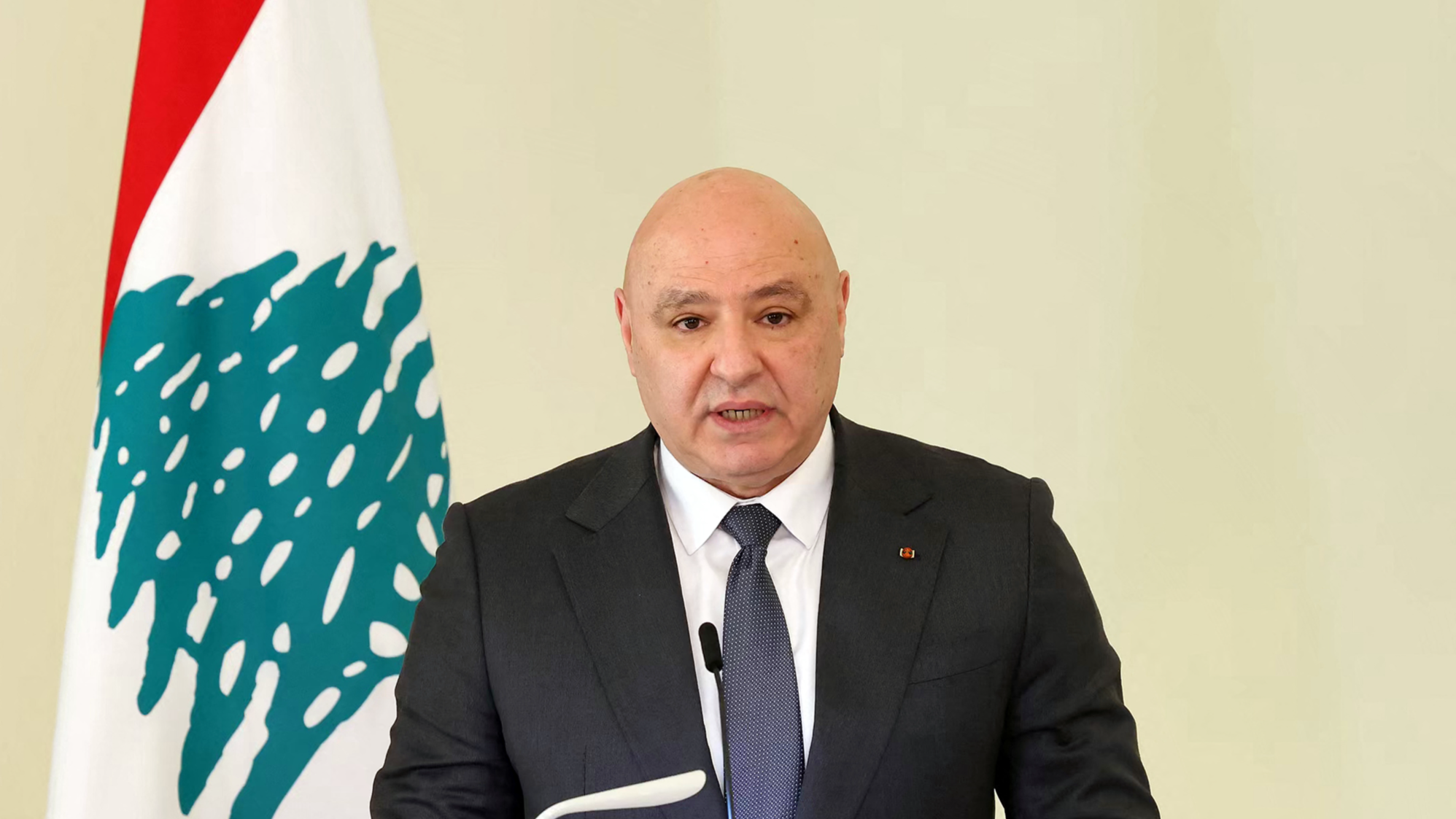
BEIRUT – Lebanon and Israel agreed on Friday to hold an initial meeting next Tuesday at the in Washington to discuss a ceasefire and the date for starting US-mediated negotiations, the Lebanese presidency said.
On Friday night, Lebanese Ambassador to the US Nada Hamadeh Moawad and Israeli Ambassador to the US Yechiel Leiter spoke by phone after Lebanese President called for direct talks with Israel amid escalating Israeli attacks on Lebanon in an initiative, according to a statement posted by the presidency on the X platform.
US Ambassador to Lebanon Michael Issa, who is currently in Washington, also participated in the discussion.
The statement noted that the United States has tasked its State Department with mediating between the two sides, after a series of international and regional contacts conducted by Aoun.
The upcoming meeting is expected to focus on formalizing a ceasefire announcement and on agreeing on a timeline for starting negotiations between the two countries.
On March 2, announced the launch of rockets from southern Lebanon toward Israel, marking the first such attack since a ceasefire was declared in November 2024. In response, Israel carried out airstrikes targeting Beirut, its southern suburbs, and other areas.
A two-week ceasefire reached between Iran and the United States took effect on Wednesday. Yet Israel has said the ceasefire does not cover the conflict in Lebanon.
Israel carried out its largest single-day attack on Lebanon on Wednesday. The Lebanese Health Ministry reported at least 303 people killed and 1,105 injured.
‘Israel fails to achieve war objectives’
Hezbollah chief on Friday said that Israeli forces have failed to achieve their military objectives, including a planned ground incursion, and vowed to continue resistance.
In a statement, Qassem said that Israeli troops had suffered losses in ambushes and their military vehicles were destroyed along the border.
He added that Israel failed to stop Hezbollah rocket, artillery, and drone attacks from reaching areas as far as the northern Israeli city of Haifa, while accusing Israel of intensifying strikes on civilian areas, including Beirut and its southern suburbs, in an attempt to compensate for battlefield “setbacks.”
Qassem rejected any return to previous conditions and urged Lebanese officials to avoid concessions.
“The threats and weapons of the enemy will not intimidate us,” he said, reaffirming his group’s commitment to defend Lebanon’s sovereignty.
Qassem also extended condolences to the families of those killed in the conflict, including civilians and fighters, and wished a speedy recovery for the wounded.