

TEHERAN/CAIRO — Iranian President Masoud Pezeshkian has said the country would not abandon its “peaceful” nuclear technology, the semi-official Tasnim news agency reported on Tuesday.
He made the remarks in a meeting with three civil activists while voicing Iran’s readiness to prove the peaceful nature of its nuclear program.
Pezeshkian said that Iran has announced repeatedly that it does not seek nuclear weapons based on the policies outlined and a religious decree issued by the country’s Supreme Leader Ali Khamenei, adding that the country is ready for any verification in that regard.
He stressed that, however, the country will not accept being denied the use of nuclear science and technology to treat patients and develop its industry and agriculture.
His remarks come amid heightened tensions between Teheran and Washington, as well as a US military buildup in West Asia.
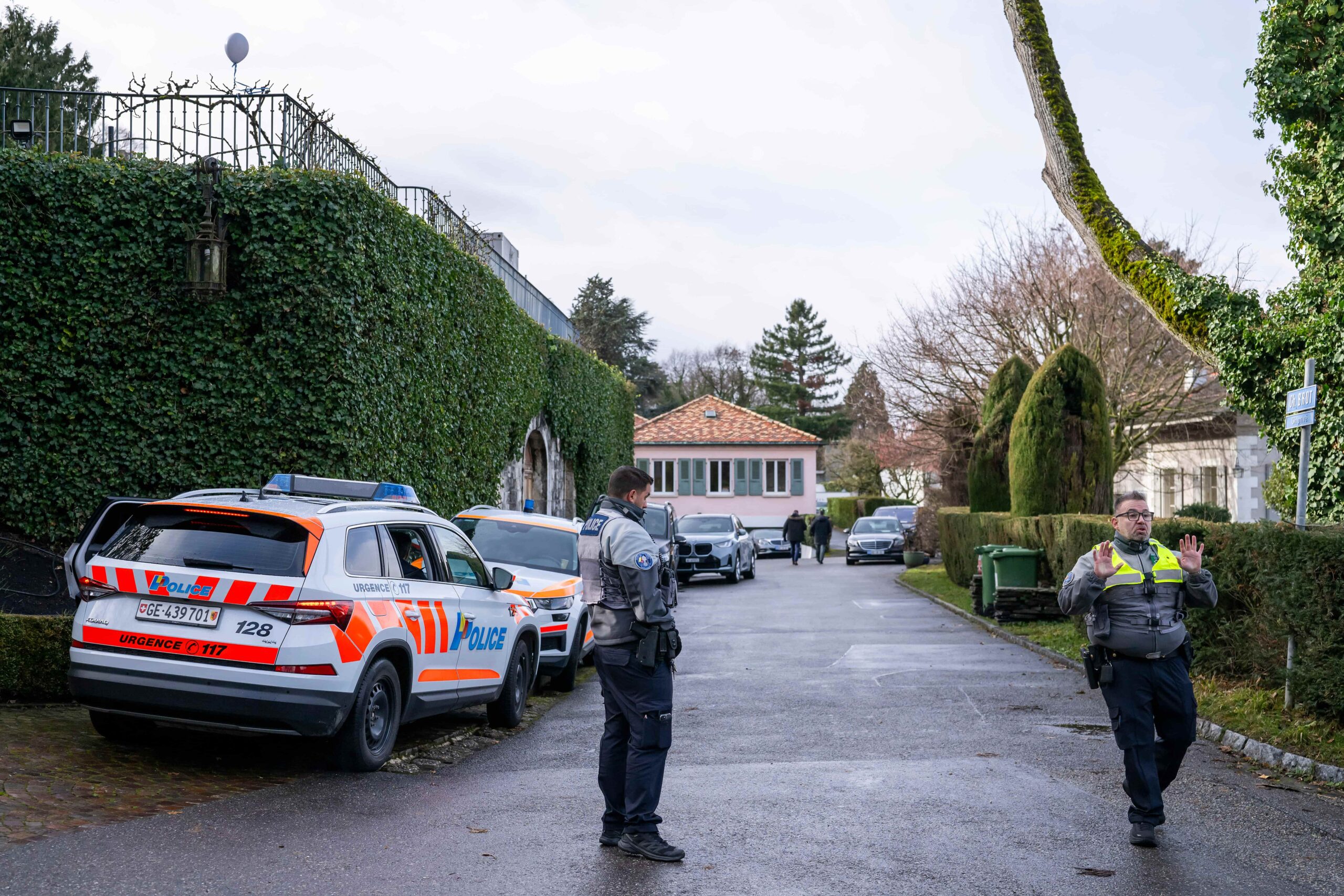
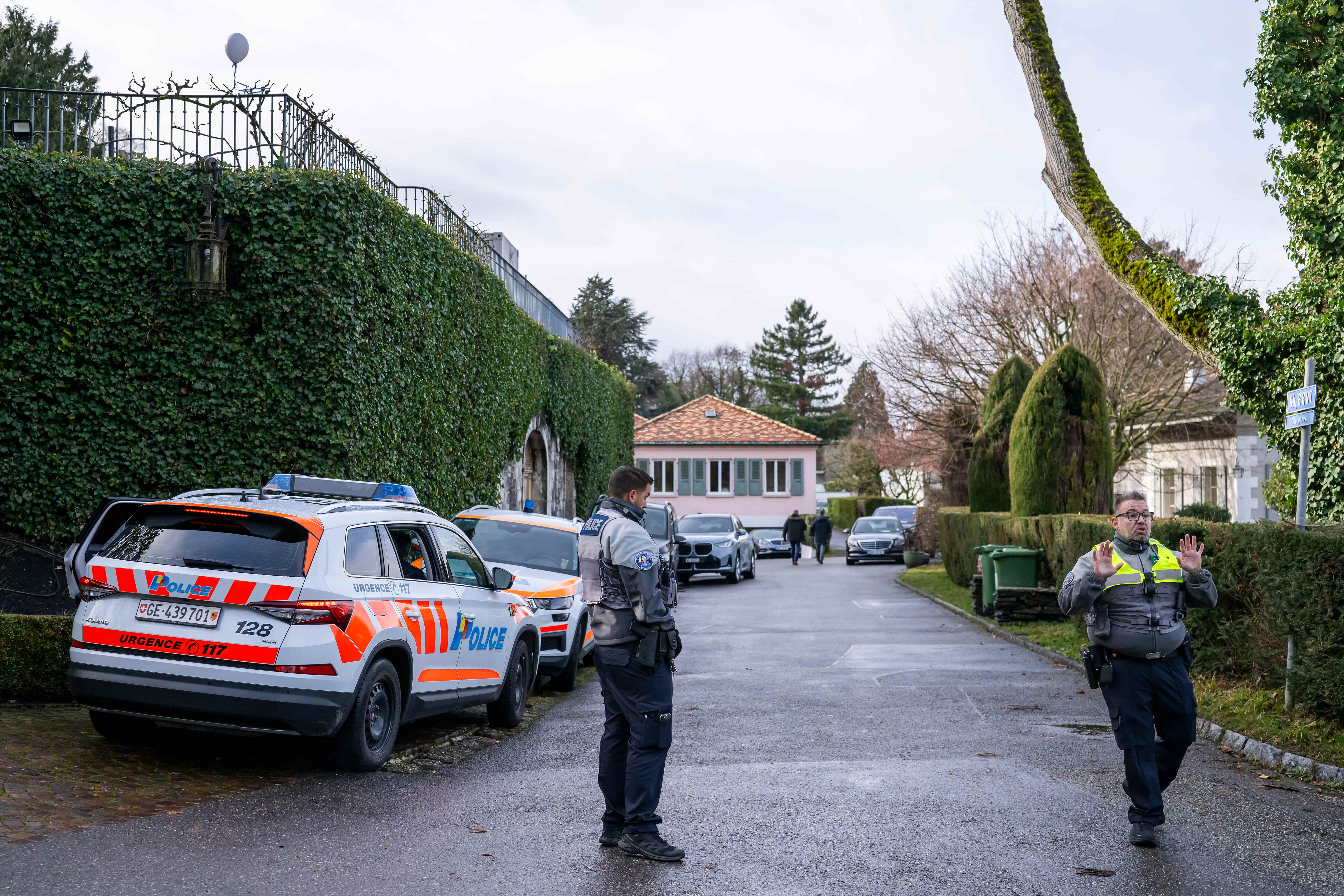
Iran and the United States concluded the second round of indirect nuclear talks in Geneva on Tuesday. The negotiations were held at Oman’s embassy in the Swiss city and mediated by Omani Foreign Minister Sayyid Badr bin Hamad bin Hamood Albusaidi. The first round of the indirect negotiations was held in the Omani capital Muscat on Feb 6.
‘New window’ in nuclear talks
Iran signaled cautious optimism on Tuesday after a second round of indirect nuclear talks with the United States, describing them as opening a “new window of opportunity,” while Washington said Teheran had yet to acknowledge President Donald Trump’s “red lines”.
After the Oman-mediated talks at the Omani embassy in Geneva, Iranian Foreign Minister Seyed Abbas Araghchi said the discussions were more “constructive” than a first round held in Muscat. Speaking to state broadcaster IRIB, he said the sides had reached a general understanding on a set of guiding principles and would move toward drafting a possible agreement.
A date for a third round would be set once draft texts were prepared and exchanged, he said, adding that narrowing the gap between the two sides “will take time.”
Addressing a UN disarmament conference later in Geneva, Araghchi struck a more hopeful tone, saying a “new window of opportunity” had opened for a sustainable, negotiated solution that would safeguard the interests of all parties and the wider region while recognizing Iran’s legitimate rights.
Omani Foreign Minister Sayyid Badr bin Hamad bin Hamood Albusaidi, who mediated the talks, also described them as constructive, citing “good progress” in identifying common objectives and technical issues, as well as serious efforts to define guiding principles for a final deal.
Later in the day, US Vice-President JD Vance told US media that some aspects of Tuesday’s talks were positive but that Iran had yet to acknowledge Trump’s “red lines,” adding that “everything is still on the table.”
Trump, who withdrew from an earlier nuclear accord with Iran during his first term, reimposed a “maximum pressure” campaign on Teheran and has repeatedly warned he could resort to military force to compel it to curb its nuclear activities. Iran has said it would respond in kind to any attack.
As diplomats met in Geneva, Iran’s Islamic Revolutionary Guard Corps (IRGC) launched a drill dubbed “Smart Control of the Strait of Hormuz.”
Semi-official Tasnim news agency said the exercise, which began on Monday, temporarily closed parts of the vital shipping lane and included missile launches from coastal and island positions, fast attack craft and drone units simulating strikes on maritime targets.
Sepah News, the IRGC’s official outlet, said the drill was aimed at testing naval readiness and rehearsing security and counter-threat plans in the waterway, a key artery for global oil shipments.
Last week, Trump said the USS Gerald R. Ford, the world’s largest aircraft carrier, was being deployed to the Middle East to reinforce the USS Abraham Lincoln and its accompanying guided-missile destroyers, which have been in the region for three weeks.
The Gerald R. Ford and three escorting destroyers are currently in the mid-Atlantic after being ordered to leave the Caribbean for the Middle East, a US news outlet reported on Tuesday, citing a Navy official.
Iranian President Masoud Pezeshkian said on Tuesday that Teheran would not give up its “peaceful” nuclear technology but was open to “any kind of verification” to prove its program was not aimed at weaponization. He expressed hope that the United States and the wider international community would reject “rumours and propaganda” that Iran is seeking atomic weapons.
Supreme Leader Ali Khamenei, responding to recent threats of military action from Trump, said that, like his predecessors, the U.S. president would also fail to undermine the Islamic Republic.