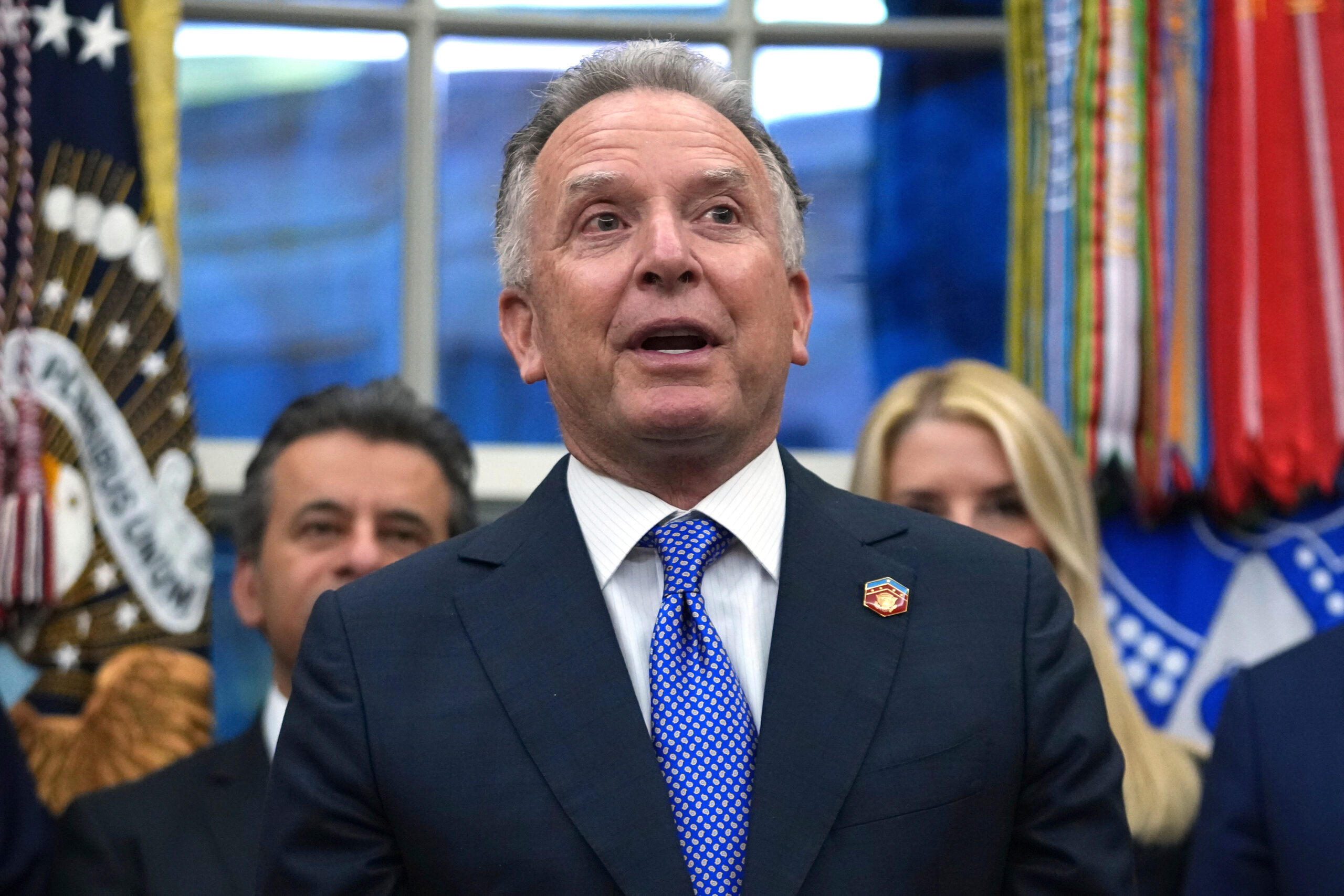


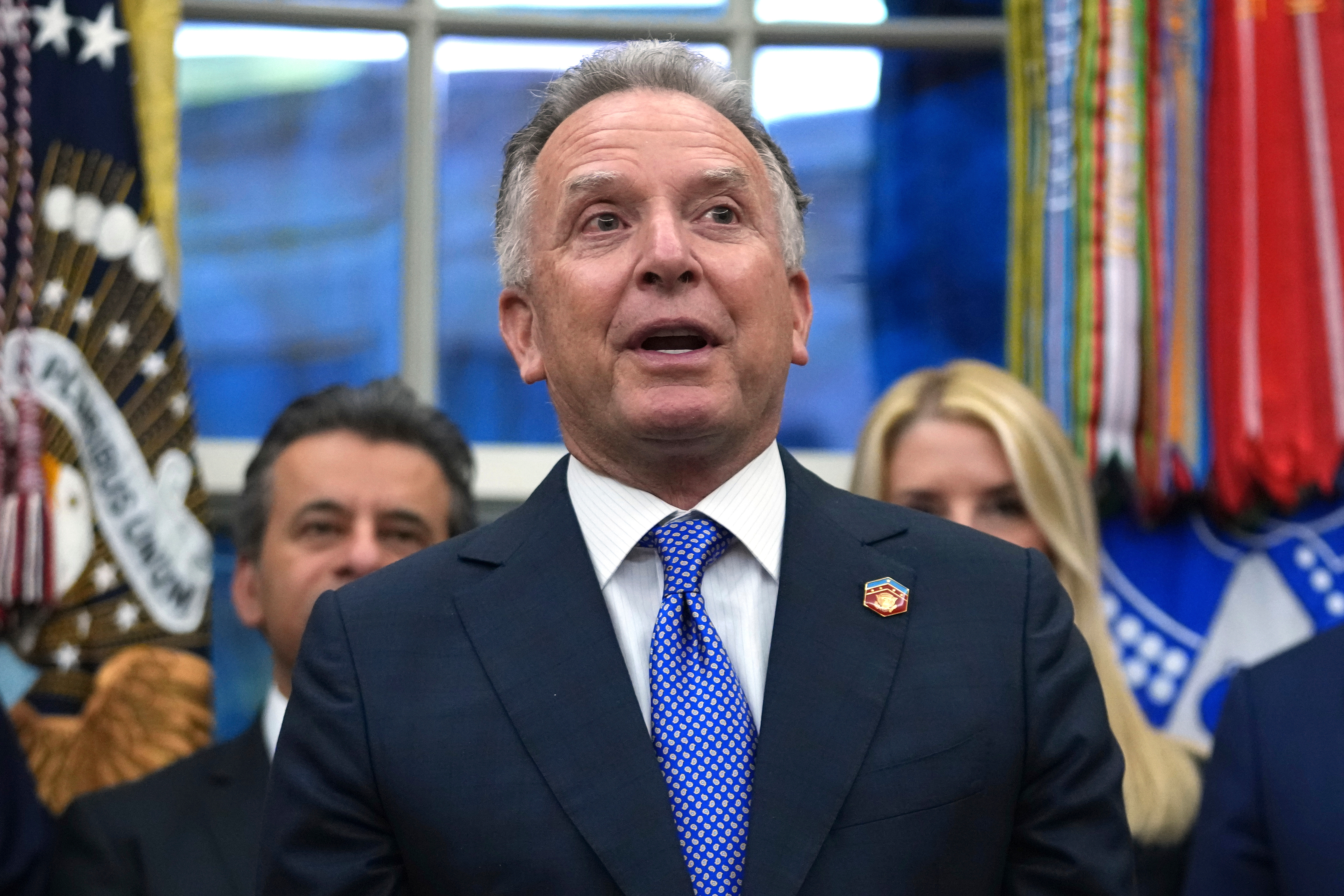
WASHINGTON/CAIRO – US president’s special envoy Steve Witkoff has said the Trump administration is demanding that any future nuclear deal remain in effect indefinitely, online media outlet Axios reported on Wednesday.
“We start with the Iranians with the premise that there is no sunset provision. Whether we get a deal or not, our premise is: you have to behave for the rest of your lives,” Witkoff was quoted as saying at a private gathering in Washington, DC on Tuesday.
Witkoff said that two key issues in the current nuclear talks are Iran’s ability to enrich uranium and the fate of its existing stockpile of enriched uranium.
He added that the talks were currently focused on Iran’s nuclear program. However, if a deal is reached, the White House would seek follow-up negotiations on Iran’s missile program and its support for proxy militias, said the report.
Under the 2015 nuclear deal reached during the presidency of Barack Obama, most restrictions on Iran’s nuclear program were set to expire between eight and 25 years after the deal was signed. Iran also pledged never to pursue a nuclear weapon.
President Donald Trump, who scrapped the 2015 deal, could be open to “token” enrichment in Iran if Teheran proves it won’t enable the development of a nuclear weapon, said the report, citing US officials who noted that Iran is currently under significant pressure from mediators — Oman, Qatar, Egypt and Türkiye — to move towards a deal with the United States that would prevent war.
A new round of US-Iran talks is now scheduled for Thursday in Geneva and expected to focus on Iran’s nuclear program, including uranium enrichment levels and sanctions relief.
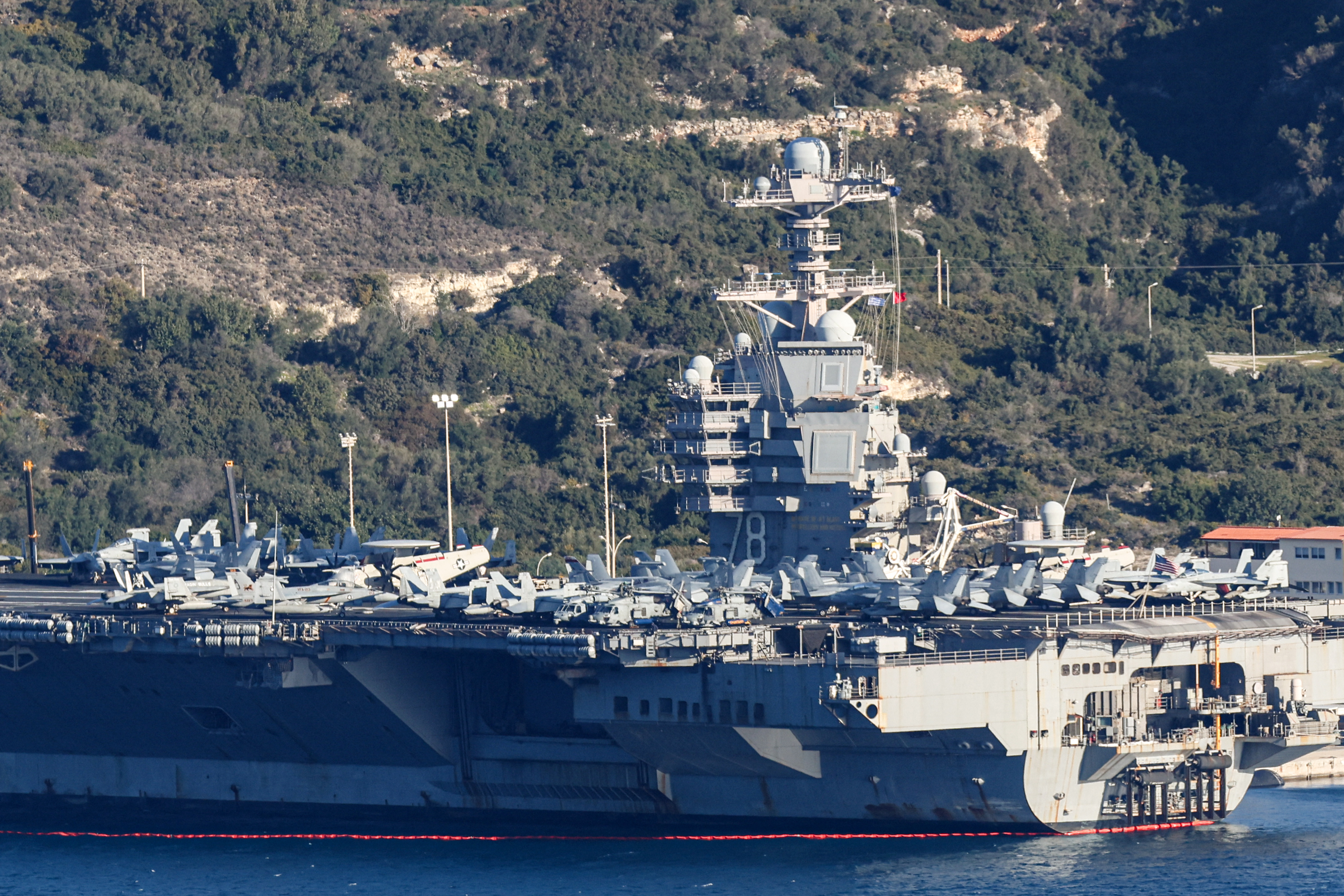
The US administration has been deploying massive military forces in the Middle East. Trump warned on Monday that he would rather reach a deal with Iran, but if one is not reached, “it will be a very bad day” for the country, referring to a potential US strike.
Iran expressed optimism on Wednesday over the upcoming nuclear talks with the United States, as both sides signaled a willingness to pursue diplomacy amid heightened regional tensions.
Iran’s President Masoud Pezeshkian said that his administration sees “good prospects” for the diplomatic effort and expressed hope that the process would be managed in a way to move the country beyond a “neither war nor peace” situation.
Pezeshkian added that his administration has made efforts to that end under the guidance of Iran’s Supreme Leader Ali Khamenei.
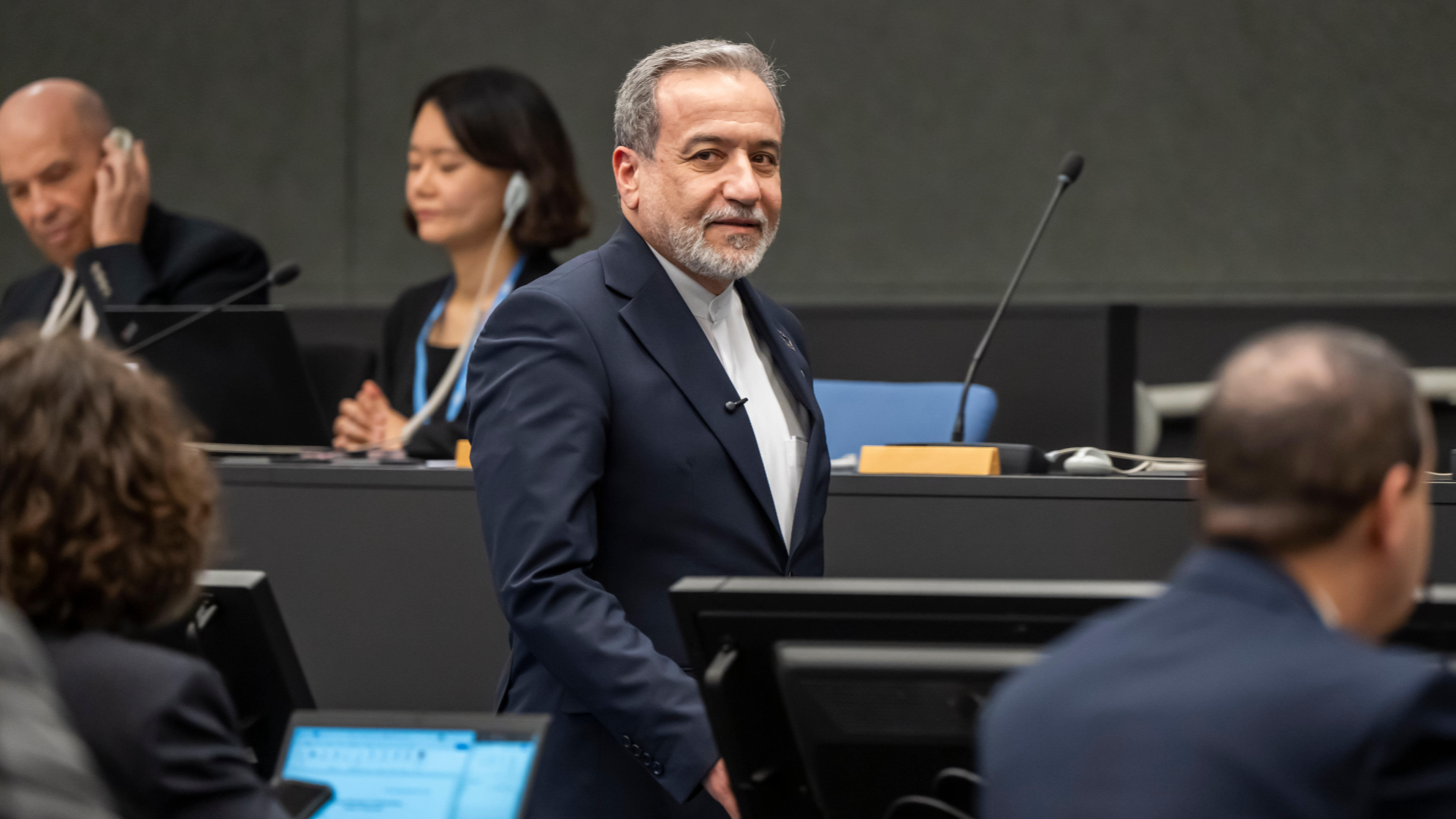
On Wednesday night, Iranian Foreign Minister Seyed Abbas Araghchi met his Omani counterpart Sayyid Badr bin Hamad bin Hamood Albusaidi ahead of the new round of indirect nuclear talks.
The meeting took place shortly after Araghchi arrived in Geneva, marking the effective start of the third round of indirect negotiations, said a statement released by Iran’s Foreign Ministry early Thursday.
During the talks, Araghchi outlined Iran’s positions on the nuclear issue and the lifting of US sanctions, conveying Teheran’s views and considerations to the Omani side.
He expressed appreciation for Oman’s role in facilitating the ongoing diplomatic process, stressing that the success of the negotiations hinges on the other side’s seriousness and its avoidance of contradictory actions and statements.
Albusaidi reaffirmed Oman’s readiness to continue its good offices and support efforts to advance the diplomatic path. He commended Iran’s commitment to a diplomatic approach to the nuclear issue and expressed hope that the negotiations would yield satisfactory results.
In a post on social media platform X on Tuesday, Araghchi said Iran is approaching the talks with a determination to achieve a “fair and equitable” deal in the shortest possible time.
He described the talks as a “historic opportunity” to strike an unprecedented agreement capable of addressing mutual concerns and safeguarding common interests, adding that a deal is within reach only if diplomacy is given priority.
However, domestic political figures struck a more cautious tone. Iran’s Parliament Speaker Mohammad Bagher Ghalibaf said Wednesday that Iran reserves all options in dealing with the United States, both “dignity-based diplomacy and regret-inducing defense,” according to official news agency IRNA.
In Washington, Trump addressed the issue on Tuesday during his first State of the Union address of his second term to a joint session of Congress at the Capitol, stating a preference for a diplomatic resolution but reiterating a firm red line.
“My preference is to solve this problem through diplomacy,” he said. “But one thing is certain — I will never allow … Iran to have a nuclear weapon.”
The president also accused Iran of advancing its missile program in ways that could eventually threaten the United States and its allies.
“They’ve already developed missiles that can threaten Europe and our bases overseas, and they’re working to build missiles that will soon reach the United States of America,” Trump said.
Iran has reaffirmed its missile program as a nonnegotiable “red line,” ruled out any halt to uranium enrichment on its soil, citing domestic needs for energy and pharmaceuticals, and dismissed the possibility of negotiations on its missile capabilities.
Australia evacuates diplomats’ families
Also on Wednesday, the Australian government announced that it had ordered the departure of all family members of its officials stationed in Israel, citing a deteriorating security situation in the Middle East.
The recent developments follow two rounds of indirect nuclear talks earlier this month, with the first in Muscat on Feb 6 and the second in Geneva on Feb 17, both yielding little visible progress.
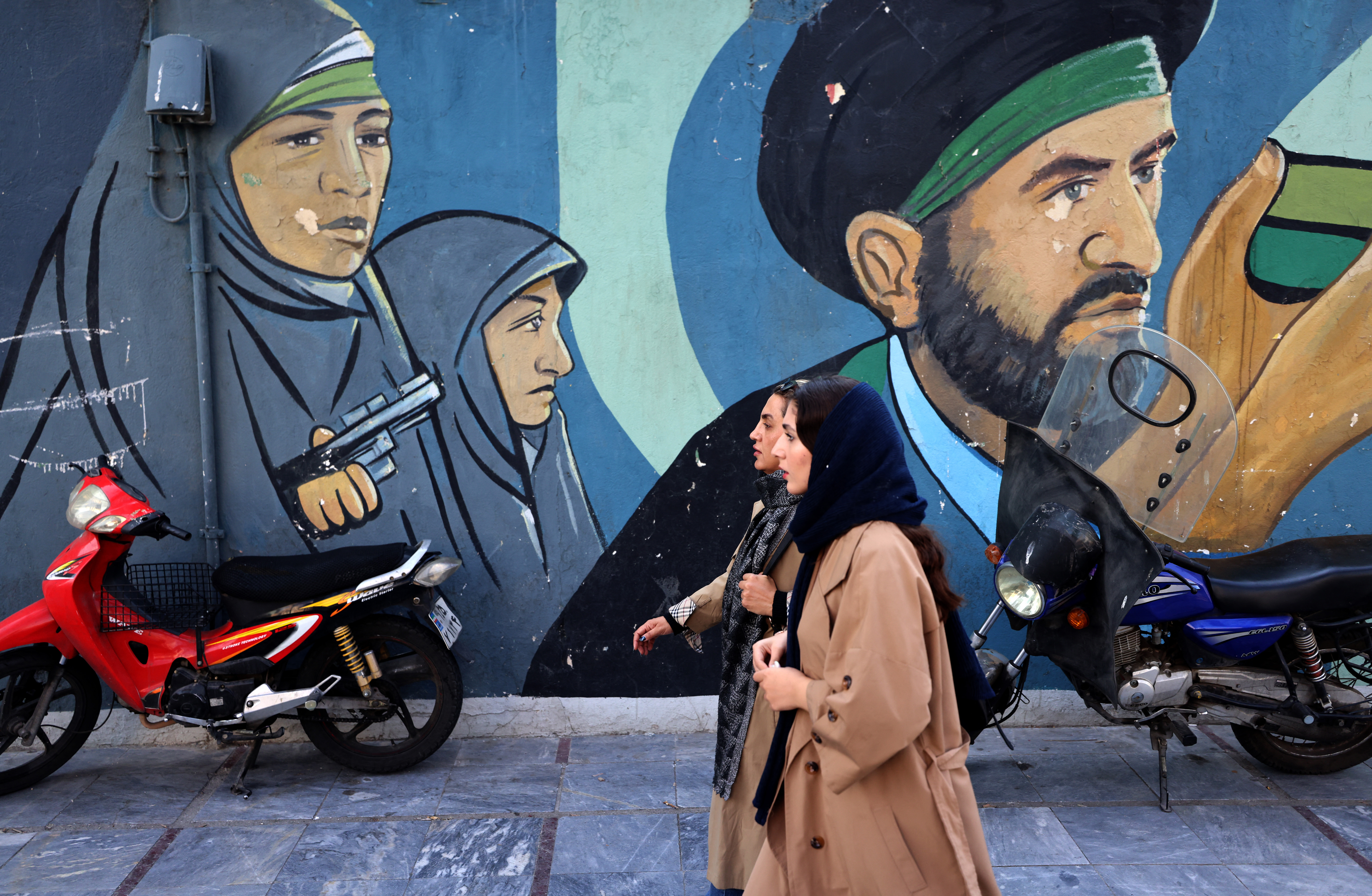
Analysts suggest the upcoming one may represent a critical juncture, with some warning of potential military escalation should diplomacy fail.
New sanctions
The US administration sanctioned on Wednesday over 30 individuals, entities and vessels enabling “illicit” Iran’s oil sales and ballistic missile and advanced conventional weapons (ACW) production.
Announced by the Treasury Department’s Office of Foreign Assets Control in a statement, the measures targeted 12 vessels and their respective owners and operators.
The sanctions also targeted multiple networks that enable Iran’s Islamic Revolutionary Guard Corps and Ministry of Defense and Armed Forces Logistics to secure the precursor materials and sensitive machinery required to reconstitute ballistic missile and ACW production capacity, as well as proliferate unmanned aerial vehicles to third countries, the statement said.
In 2025, the US administration sanctioned more than 875 persons, vessels and aircraft as part of Washington’s campaign of “maximum pressure” on Iran, according to the statement.