

PARIS/BERLIN/ISLAMABAD/JERUSALEM – US Secretary of State Marco Rubio said on Friday that the ongoing operation against Iran is expected to “conclude in weeks.”
Speaking to reporters after attending a G7 foreign ministers’ meeting in France, Rubio said the operation would end “at the appropriate time, in a matter of weeks, not months.”
He said the United States could still “achieve the objectives without any ground troops,” including destroying Iran’s missile and drone capabilities.
A reporter from the US news website Axios wrote on social media platform X that Rubio told his G7 counterparts the conflict with Iran could continue for “another two to four weeks.”
Rubio also said Washington was open to diverting US weapons from Ukraine to the Middle East, although such a move has not been made so far.
The G7 foreign ministers’ meeting was held in France on Thursday and Friday, with discussions focusing on issues including the situation in Iran and the Russia-Ukraine conflict.
‘Iran regime change unlikely’
German Chancellor Friedrich Merz on Friday voiced doubts about the feasibility of pursuing “regime change” in Iran.
Speaking at the F.A.Z.-Congress 2026 event in Frankfurt, Merz said that if regime change is the objective in Iran, “I don’t believe they will achieve it. It has mostly gone wrong.”
He noted that, apart from a few exceptions decades ago, the history of such interventions shows they often result in “the mere transition from one hostile regime to another.”
Merz also expressed concern over the lack of a clear strategy from the US and Israel, suggesting that both countries are becoming increasingly entangled in a conflict without a viable endgame.
He described the current situation as “threatening, not only for those affected but for all of us.”
Pakistan to host quadrilateral meeting
Pakistan will host a quadrilateral meeting of foreign ministers from Türkiye, Egypt and Saudi Arabia here on Monday to discuss evolving regional developments, including ongoing tensions in the Middle East, state media reported on Saturday.
Pakistan Television Global said in a social media post that the meeting will be chaired by Pakistani Deputy Prime Minister and Foreign Minister Mohammad Ishaq Dar, with participating countries expected to explore avenues for de-escalation and promote regional stability.
The development comes amid intensified diplomatic activity by Pakistan as it seeks to facilitate dialogue and reduce tensions in the Middle East.
Pakistani Prime Minister Shehbaz Sharif said in a televised address late Friday that Pakistan was undertaking “sincere and comprehensive diplomatic efforts” to help bring the ongoing conflict to an end.
“The objective is to create a pathway to lasting peace through collective wisdom and consultation,” he said.
Earlier this week, Dar confirmed that “US-Iran indirect talks are taking place through messages being relayed by Pakistan.”
1 killed in Tel Aviv by missile fired from Iran
A man around 60 years old was killed in the central Israeli city of Tel Aviv by a missile launched from Iran on Friday night, Israel’s national emergency service Magen David Adom (MDA) and the Israel Police said.
According to the police, the incident involved a dispersing cluster munition missile that struck several locations in the Tel Aviv metropolitan area.
It added that the fatality, a construction worker, was hit by shrapnel from a cluster munition released by the missile and exploded near him.
Earlier in the night, a missile was launched from Iran into southern Israel, causing light injuries to two people.
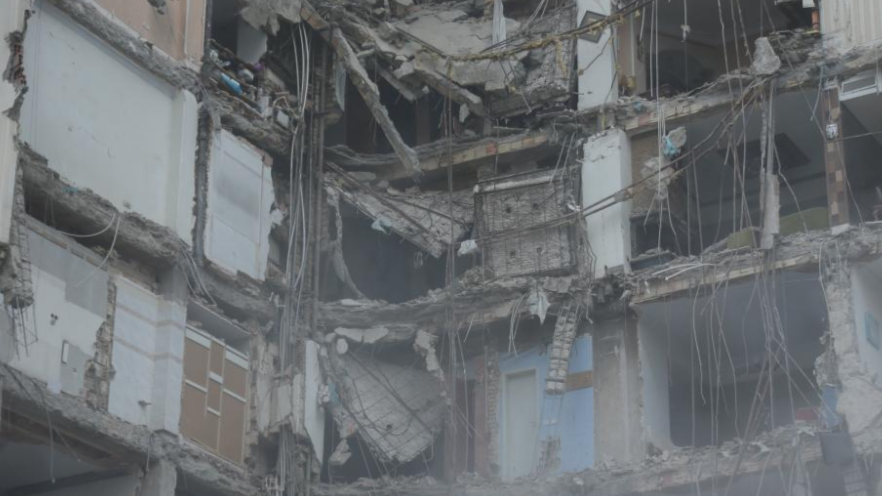
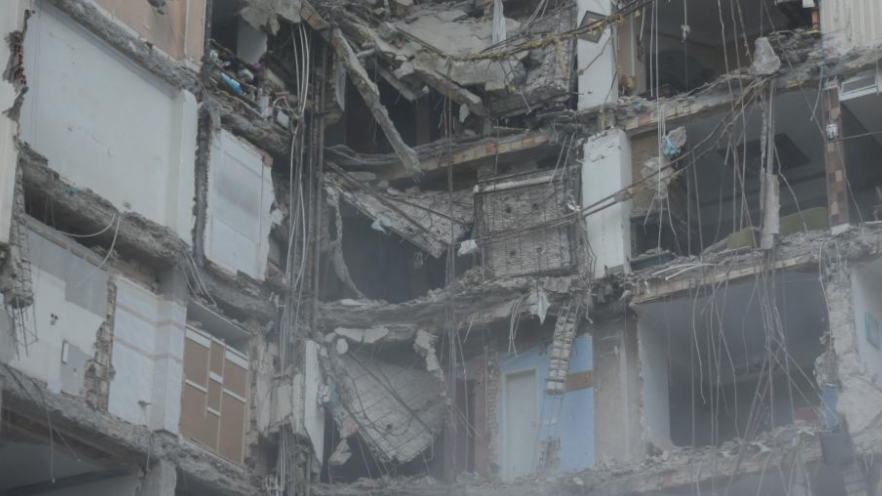
The developments came amid heightened tensions following joint US-Israeli strikes on Iran starting on Feb. 28, to which Iran and its regional allies responded with attacks on Israeli and US interests across the Middle East.