

Pakistan hosts Saudi, Turkiye, Egypt for talks, eyes US-Iran dialogue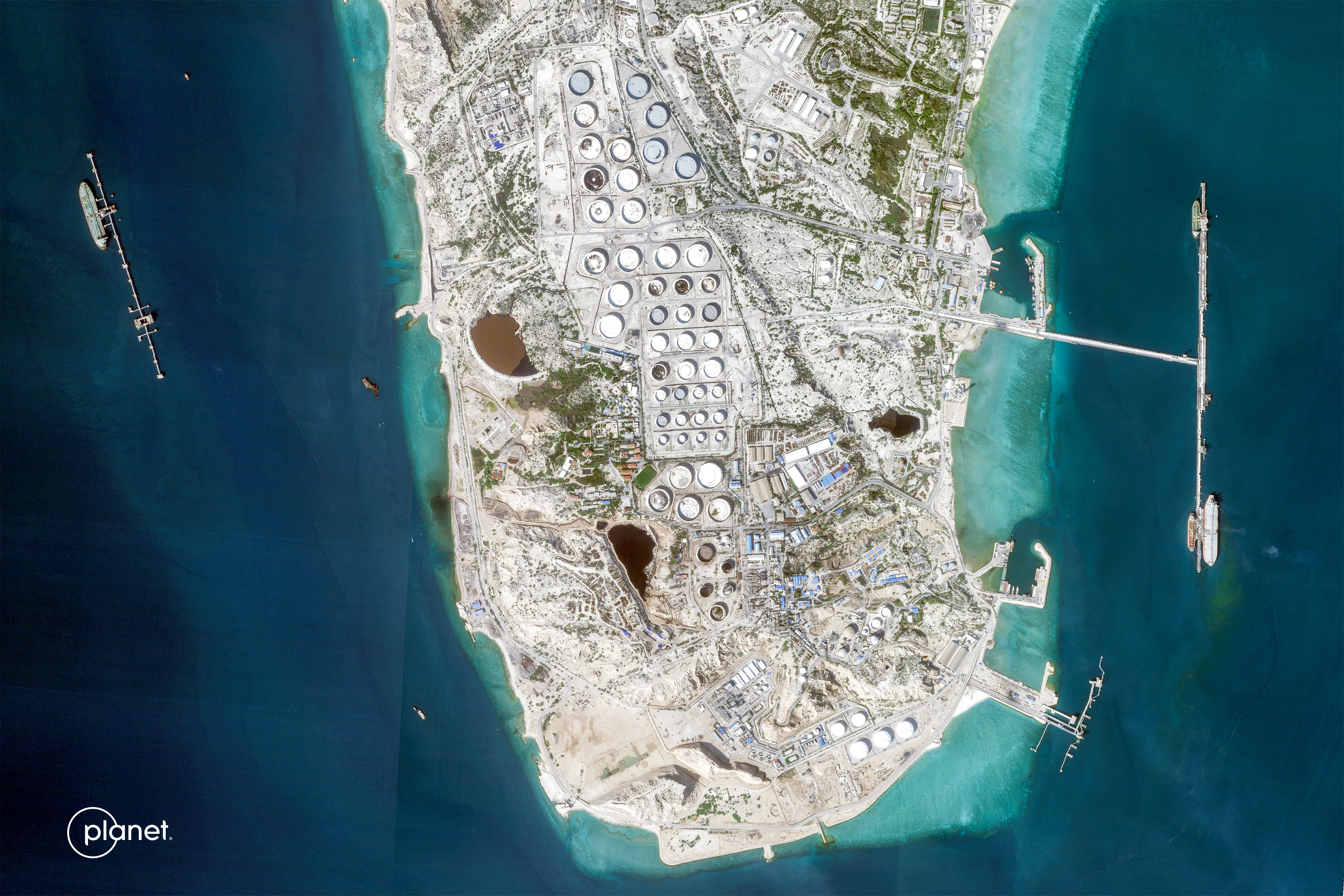
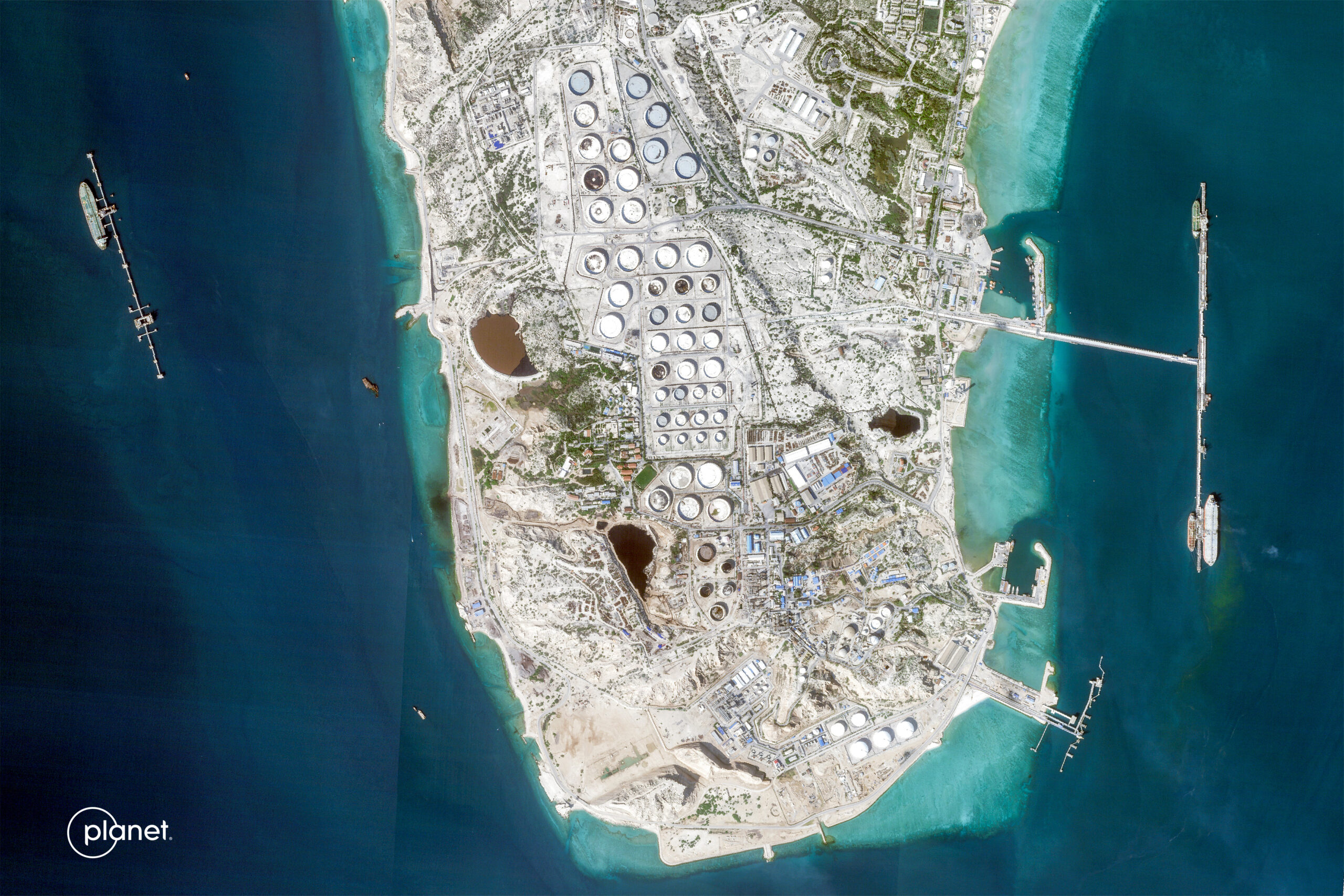
Iran accused the United States of plotting a ground attack even as Washington publicly pushed for a negotiated deal while US President openly floated seizing Iran’s Kharg Island oil export hub.
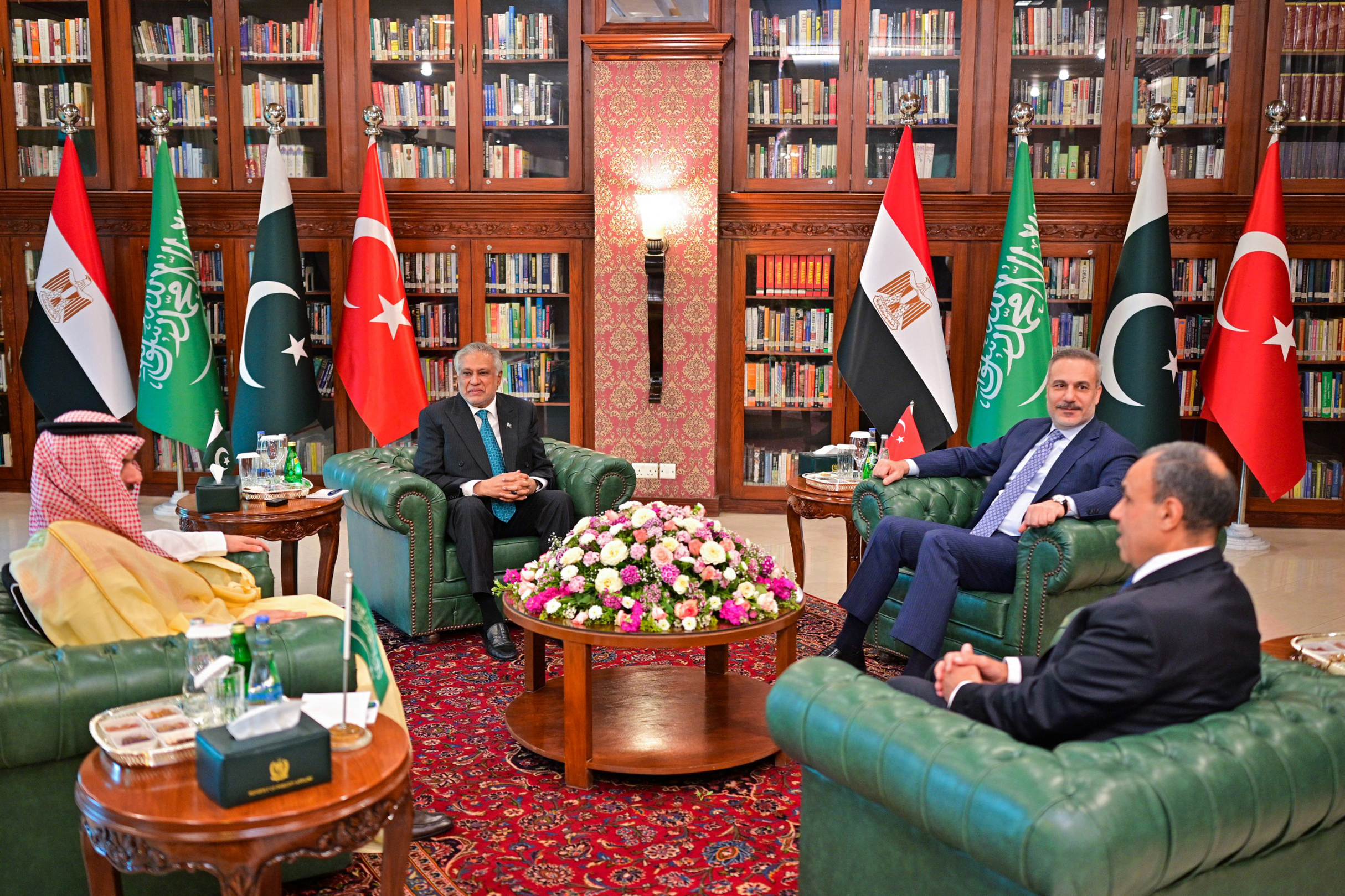
This developed as Pakistan hosted foreign ministers from Saudi Arabia, Turkiye and Egypt on Sunday for a high-level meeting aimed at deescalating the conflict.
The four-way consultations lasted several hours. Pakistani Foreign Minister Mohammad Ishaq Dar described the talks as “detailed and in-depth”, announcing that Islamabad would host US-Iran negotiations “in the coming days”.
Pakistan has emerged as a key intermediary between Washington and Tehran, relaying messages and coordinating backchannel communications. However, there was no immediate response from Washington or Tehran.
As the war entered its fifth week, the Pentagon bolstered its military presence in the region, fueling speculation over a potential ground incursion. Trump said he wants to “take the oil” in Iran, reviving the idea of seizing Kharg Island.
“Maybe we take Kharg Island, maybe we don’t. We have a lot of options.” he told the Financial Times in an interview published early on Monday.
But launching an amphibious assault on Kharg would require US naval vessels passing through the Strait of Hormuz and most of the Persian Gulf.
Joe Kent, a former director of the US National Counterterrorism Center who recently stepped down, warned in remarks to the Washington Post that any occupation of Kharg Island would be strategically unsound and could prove “disastrous, exposing US troops to severe danger both there and across the region”.
Meanwhile, Tehran said its armed forces are well prepared to confront US troops. “The enemy publicly sends messages of negotiation and dialogue while secretly planning a ground attack. Our men are waiting for the arrival of the American soldiers on the ground to set them on fire and punish their regional allies once and for all,” Iran’s parliament speaker, Mohammad Bagher Ghalibaf, said in a statement on Sunday.
Iran’s Navy Commander Shahram Irani also warned on Monday that the USS Abraham Lincoln would face shore-to-sea missile strikes if it entered what he described as Iran’s strike range.
On Monday, the Israeli military launched a fresh wave of airstrikes across Iran, targeting sites from the Persian Gulf coast and southern islands to northern cities. Iranian media reported that a facility at the Tabriz Petrochemical Complex was hit again. Earlier, the International Atomic Energy Agency confirmed Iran’s heavy water production plant in Khondab is no longer operational following an Israeli military strike.
Iran’s Ministry of Energy reported widespread power outages on Sunday in Tehran, its surrounding areas and neighboring Alborz province, “following attacks on electricity infrastructure”. Authorities later said the outages were quickly resolved via grid adjustments.
It remained unclear, however, whether the strikes were linked to Trump’s threats to target Iranian power stations and other energy infrastructure unless Tehran accepts a ceasefire deal. Trump extended his deadline by 10 days to April 6, as Washington put forward a 15-point peace plan.
Iran, meanwhile, has ramped up pressure on its Gulf neighbors. Kuwait announced an Indian worker was killed in an attack on a power and desalination plant, in one of the most significant attacks in the Gulf over the past 24 hours. The incident came shortly after Iranian energy facilities in Tehran were targeted.
Other Gulf states on Monday also reported intercepting drones and missiles. Saudi Arabia intercepted five missiles targeting its oil-rich Eastern province, Bahrain sounded a missile alert, and a fireball was seen over Dubai as an incoming missile was taken out by defenses.
The war has already disrupted global oil and natural gas supplies, triggered fertilizer shortages and disrupted air travel. Brent crude, the international benchmark, neared $117 a barrel on Monday — up nearly 60 percent since Feb 28 when the war began.