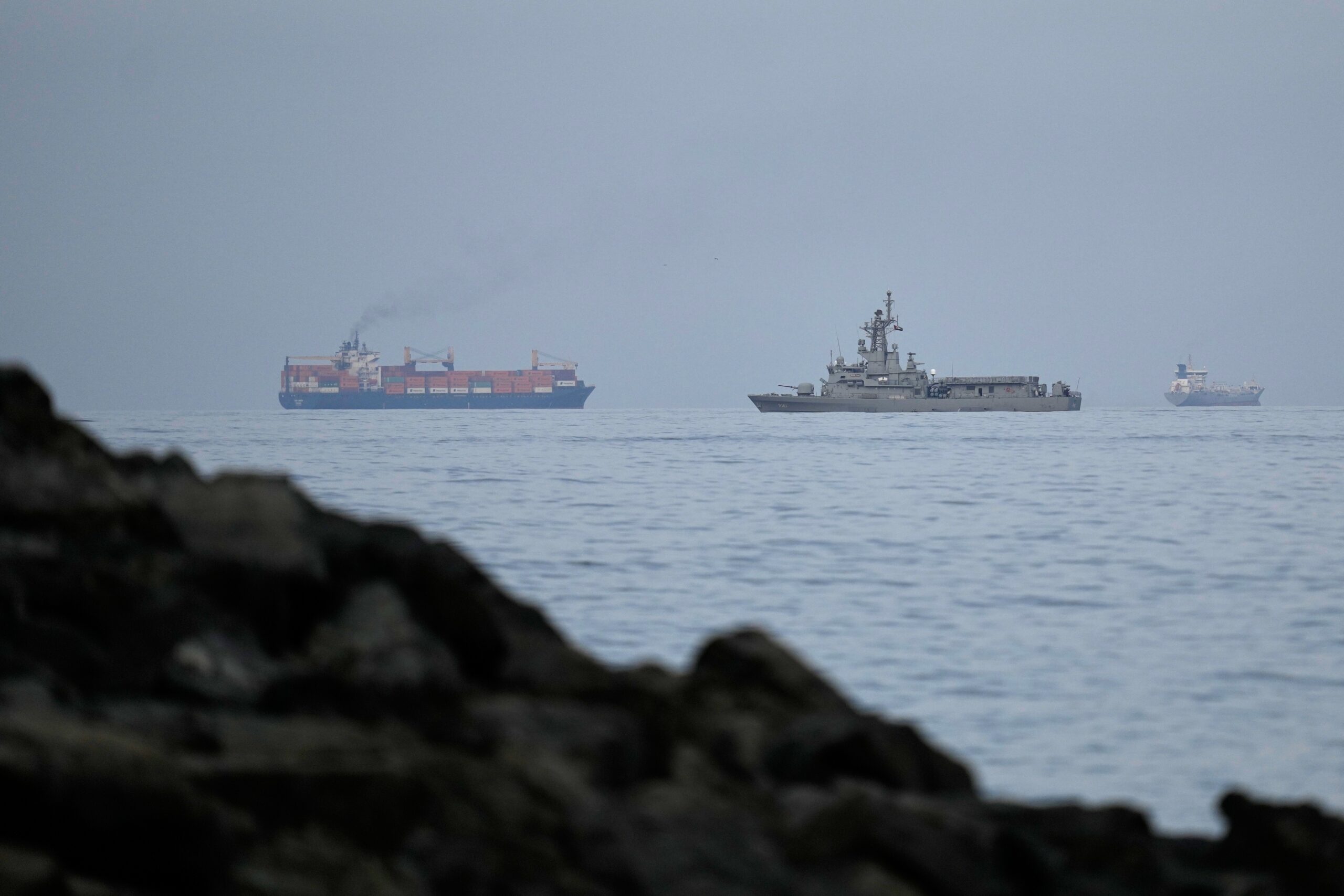


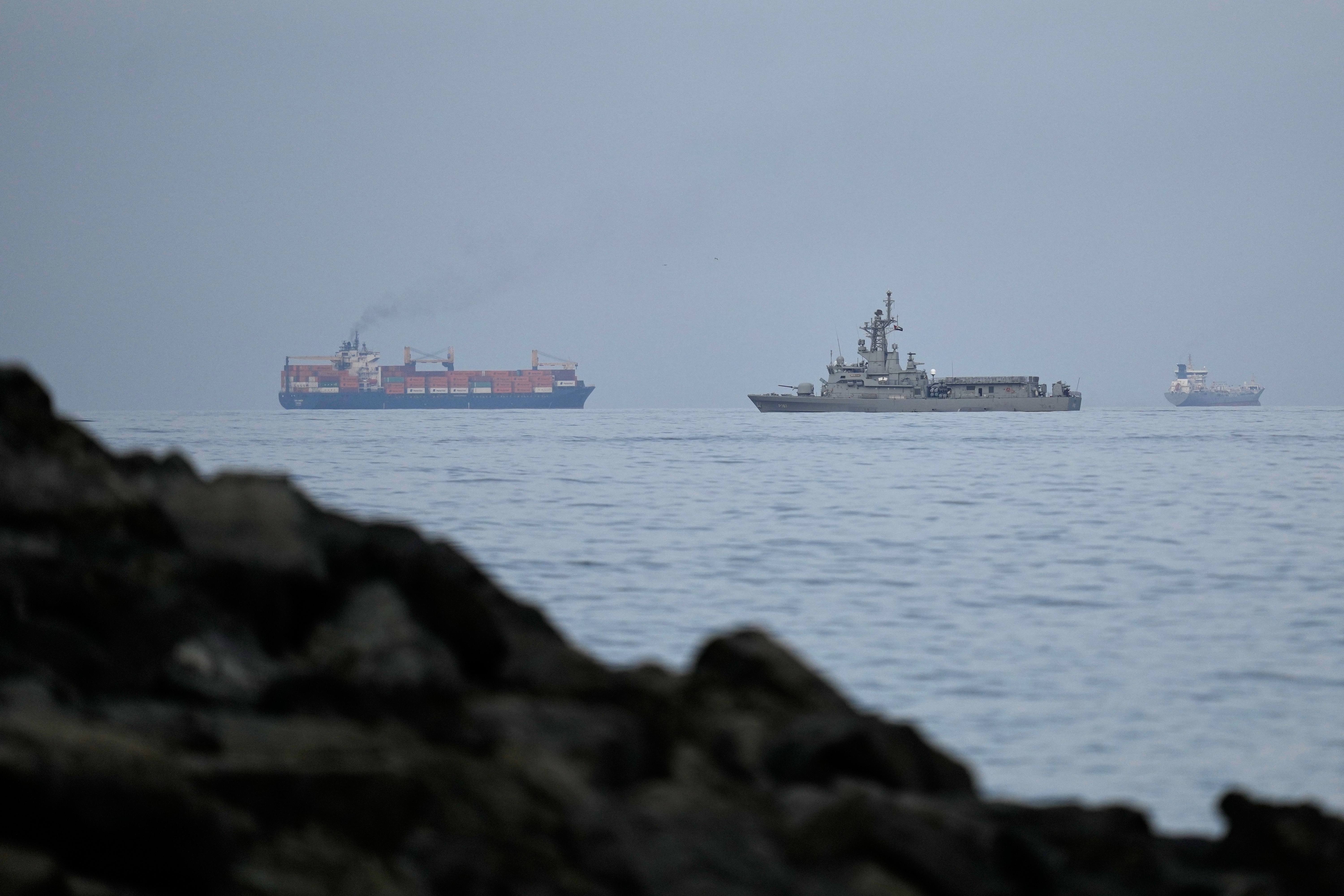
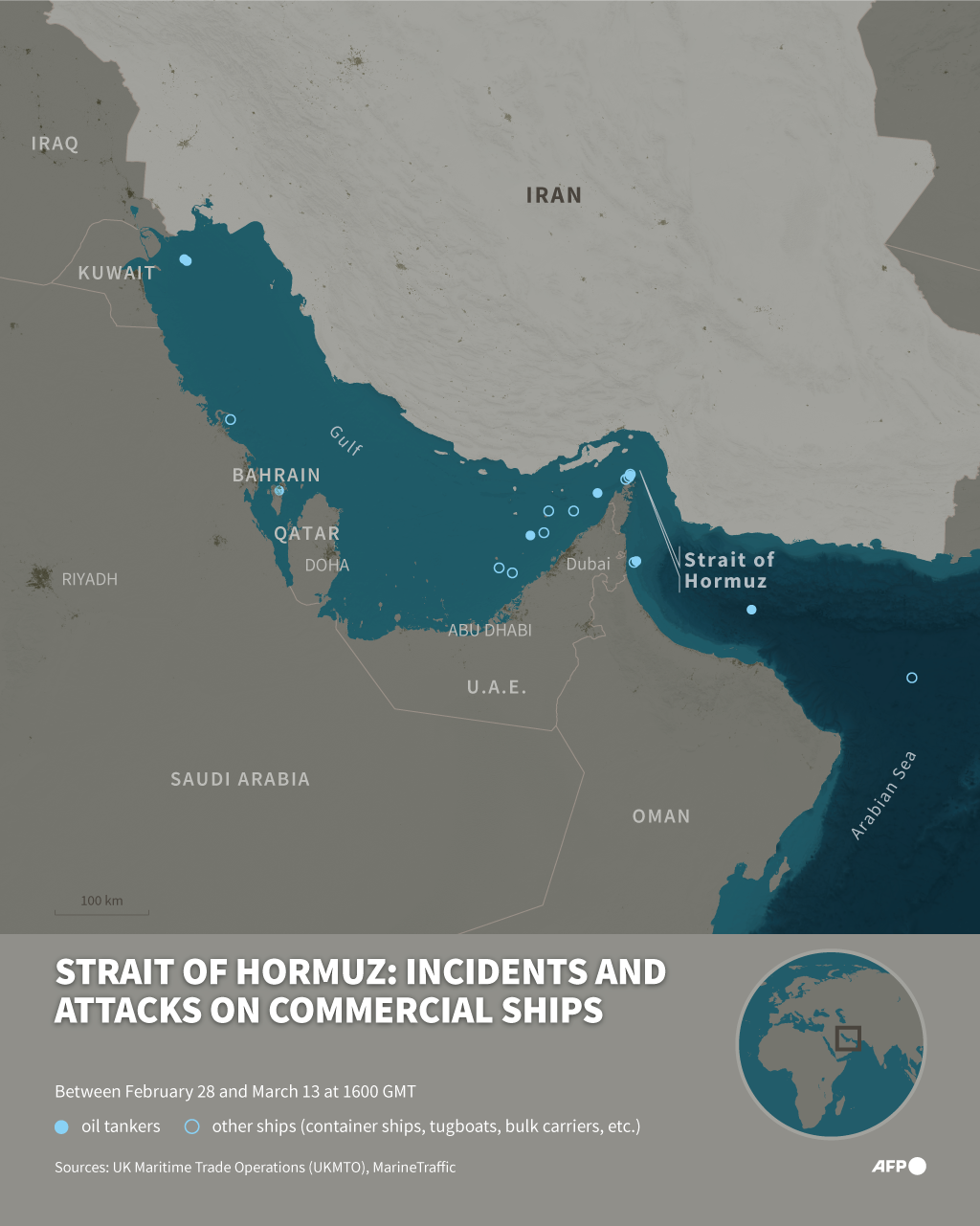
WASHINGTON/BRUSSELS/BERLIN/LISBON/ATHENS/BUCHAREST – US President Donald Trump on Monday complained that US allies are reluctant to answer his call to join a White House-proposed multinational mission to escort oil tankers through the Strait of Hormuz.
“We’ve protected them from horrible outside sources, and they weren’t that enthusiastic. And the level of enthusiasm matters to me,” Trump said at a press conference.
Trump said some countries hosting large numbers of US troops had declined to provide assistance when Washington asked whether they could contribute minesweeping vessels for a potential escort mission.
“I don’t do a hard sell on them, because my attitude is, we don’t need anybody,” Trump argued. “But it’s interesting: I’m almost doing it in some cases, not because we need them, but because I want to find out how they react.”
Trump especially said that he was “not happy with the UK” since British Prime Minister Keir Starmer declined to assist the United States at the initial stage of the US-Israeli war with Iran.
“I was very surprised with the United Kingdom, because United Kingdom two weeks ago, I said, ‘Why don’t you send some ships over?’ And he really didn’t want to do it,” Trump said, describing Britain as the US’ “oldest ally.”
“I think it’s terrible,” Trump said, also questioning why Starmer refused to decide immediately to send British warships to join the escort mission.
“I said, ‘You don’t need to meet with your team, you’re the prime minister, you can make your own, why do you have to meet with your team to find out whether or not you’re going to send some minesweepers to help us or to send some boats?'” Trump said, referring to a Sunday call with Starmer.
Meanwhile, Trump claimed “numerous countries have told me they’re on the way,” though he failed to name any.
Multiple media reports said that so far, it appears that US allies have either been noncommittal or have declined to participate.
“I’ve been a big critic of all of the protecting of countries because I know that we’ll protect them. And if we ever needed help, they won’t be there for us. I’ve just known that for a long period of time,” he lamented.
Trump also said US forces have sunk all of the Iranian mine-laying ships, but it remains unclear if Iran has started laying mines in the Strait of Hormuz, while noting that Iran now can put mines on other types of ships and drop them in the strait.
Kallas: This is not Europe’s war
In Brussels, European Union Foreign Policy Chief Kaja Kallas said Monday that the EU has no appetite for expanding its naval mission “Aspides” to the Strait of Hormuz.
After a foreign ministers’ meeting, she said the EU ministers had discussed options to better protect shipping in the region, with a focus on de-escalation and the freedom of navigation.
“We are working on the diplomatic solutions for the Strait of Hormuz,” she said, adding, “This is not Europe’s war.”
“Aspides”, meaning shield in Greek, is a defensive naval mission launched by the EU in February 2024, aiming to restore and safeguard freedom of navigation in the Red Sea and the Gulf regions.
Merz: Iran conflict not a matter for NATO
German Chancellor Friedrich Merz ruled out on Monday any military involvement in protecting oil tankers in the Strait of Hormuz, emphasizing that the North Atlantic Treaty Organization (NATO) is a “defense alliance” rather than an “intervention alliance.”
Speaking at a press conference in Berlin, Merz stated that the conflict involving Iran is not a matter for NATO.
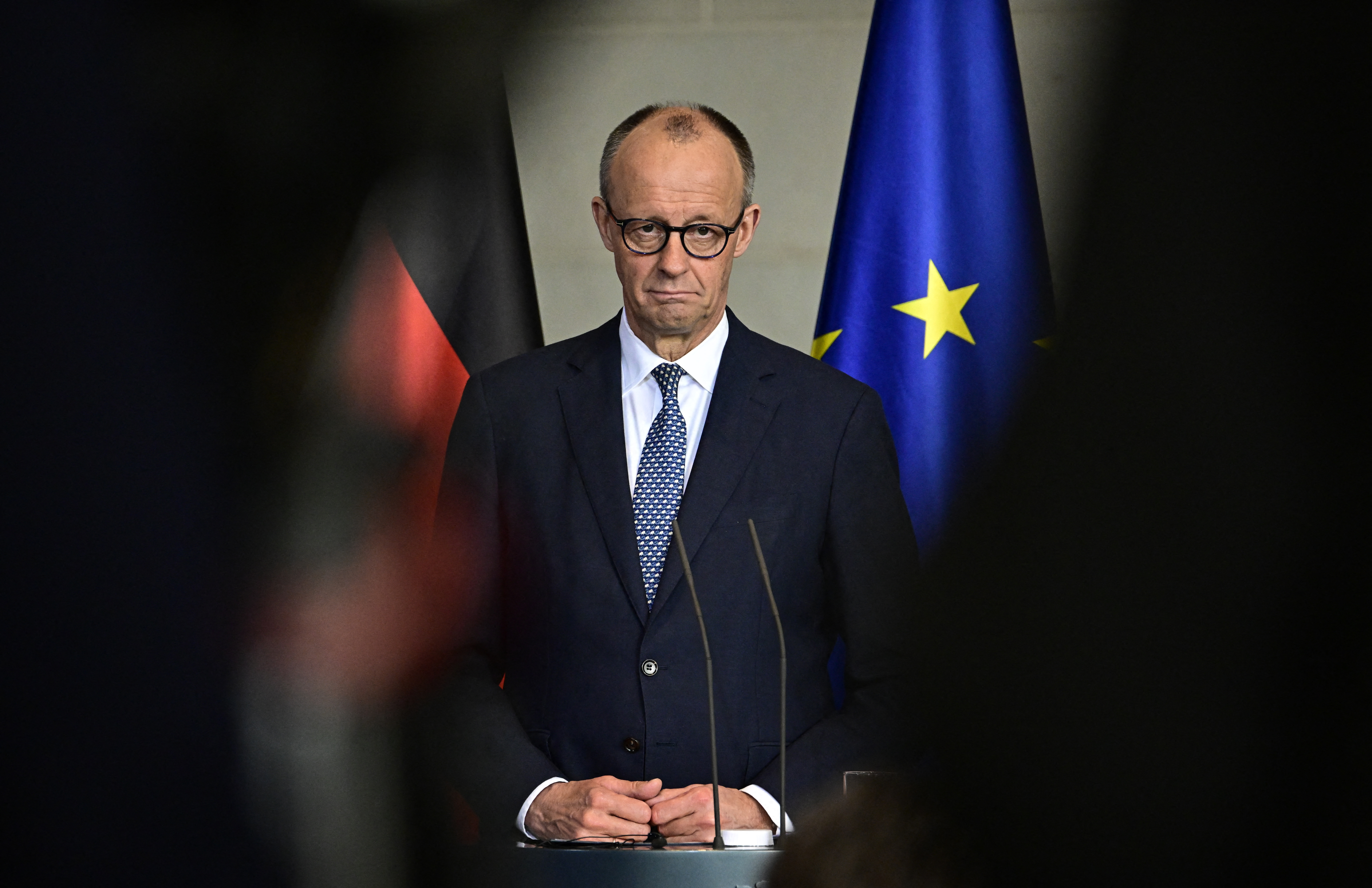
Merz said that as long as the conflict continues, Germany will not participate in military measures to ensure free navigation in the strait, and insisted that no viable concept for such an operation has been presented so far.
Starmer: Reopening Hormuz not a simple task
In London, British Prime Minister Starmer said on Monday that Britain is working with allies on a “viable plan” to reopen the Strait of Hormuz, stressing that restoring freedom of navigation in the key waterway is “not a simple task.”
Speaking at 10 Downing Street, Starmer said reopening the strait is crucial for ensuring stability in global markets and maintaining secure international shipping.
He said Britain is coordinating with its allies to develop a workable approach to restore navigation in the region following the recent escalation of tensions in the Middle East. Starmer added that reopening the strait will not be a NATO mission.
Portugal won’t take part
Portuguese Foreign Minister Paulo Rangel said on Monday that Portugal will not take part in the ongoing conflict involving the United States and Iran.
“Portugal is not and will not be involved in this conflict. We will not participate,” Rangel told reporters, firmly rejecting calls from the United States for greater involvement of NATO in the war.
Greece: No intention to get involved in war
Greece also has no plans to participate in any military operation in the Strait of Hormuz, government spokesman Pavlos Marinakis said on Monday, stressing that the country has no intention of becoming involved in war.
Speaking at a regular briefing, Marinakis said Greece’s current involvement in the European Union’s Operation Shield is “geographically defined in the Red Sea and does not concern the Strait of Hormuz.”
Romania for de-escalation
Romania’s Foreign Ministry said Monday that the country is not involved in the conflict in the Middle East, after Iran warned Bucharest over the possible use of Romanian bases by the United States.
“Romania is not part of the conflict. Our priority is diplomatic efforts for de-escalation,” the ministry said in a statement.
US access to Romanian military bases is regulated by a bilateral agreement signed in 2006 and the missile defense system hosted in Romania is strictly defensive, the statement added.