

WASHINGTON/TEHRAN/ABU DHABI/JERUSALEM/RIYADH – US President threatened on Saturday to “hit and obliterate” Iranian power plants if the country fails to fully open the Strait of Hormuz within 48 hours.
“If Iran doesn’t FULLY OPEN, WITHOUT THREAT, the Strait of Hormuz, within 48 HOURS from this exact point in time, the United States of America will hit and obliterate their various POWER PLANTS, STARTING WITH THE BIGGEST ONE FIRST!” He wrote in a post on Truth Social.
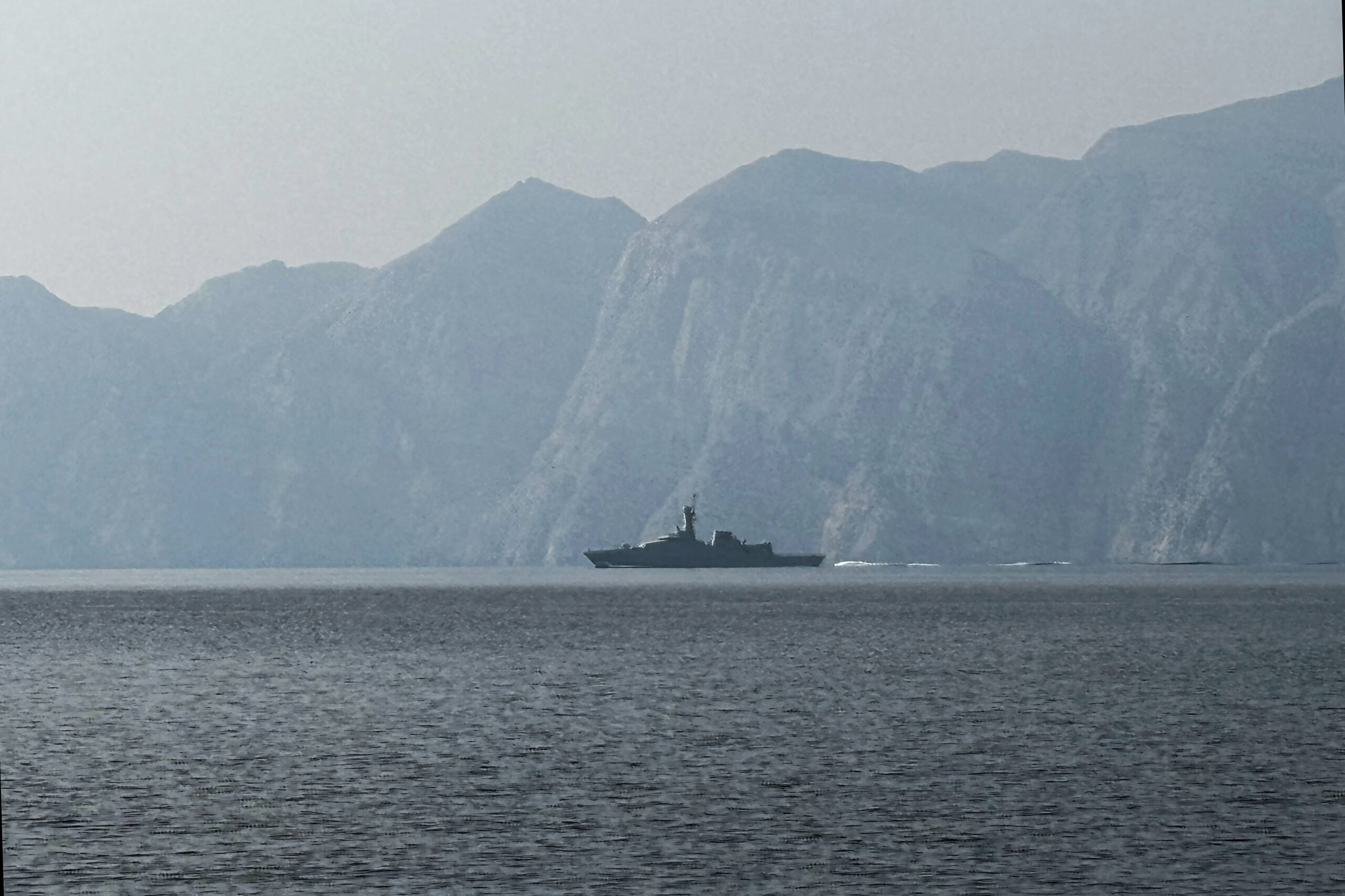
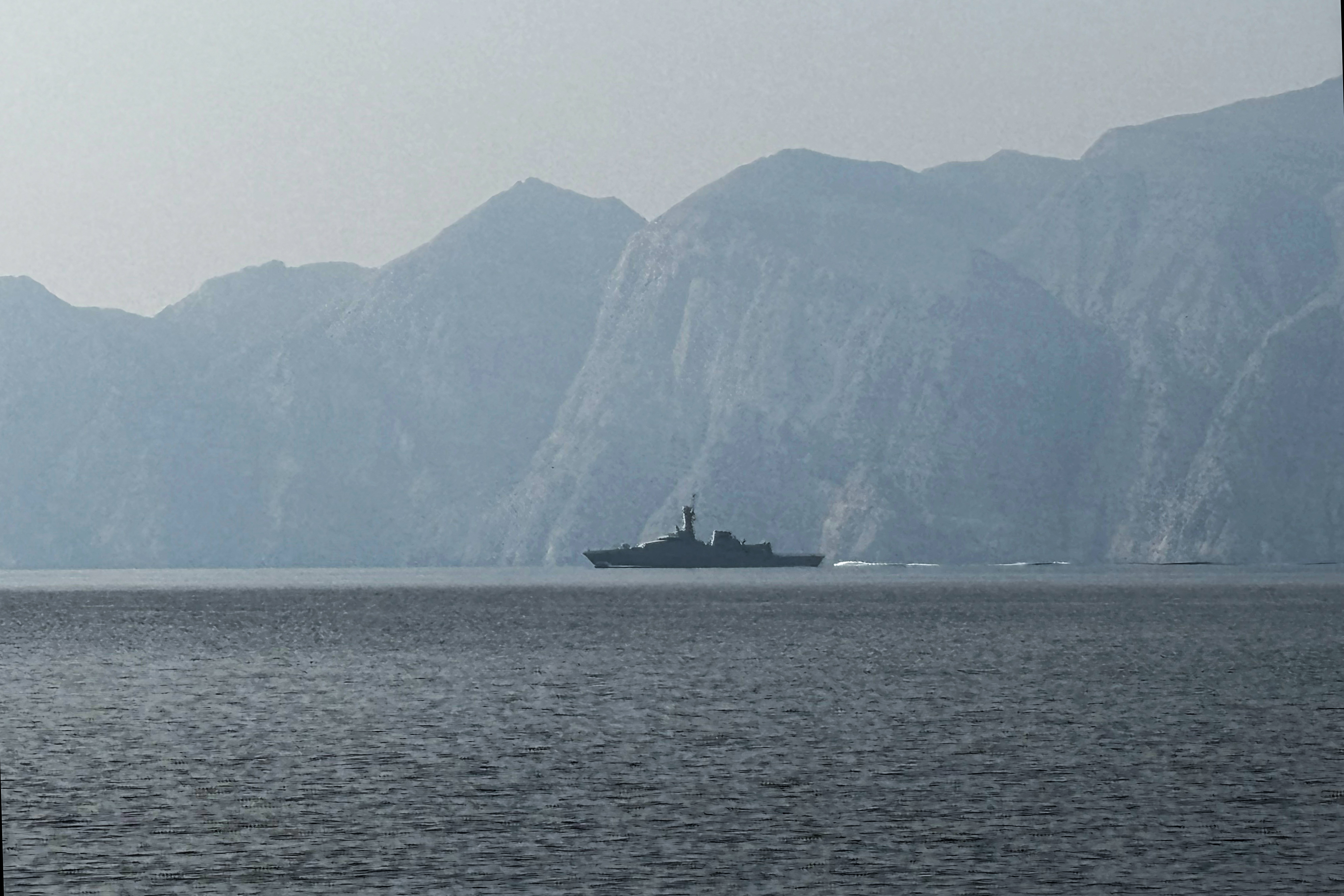
The Strait of Hormuz, a vital global energy corridor bordered by Iran to the north, through which around a fifth of global oil and liquefied natural gas supply passed, has become a key flashpoint in the war.
In response, Iran’s primary military command, Khatam al-Anbiya Central Headquarters, warned on Sunday that it would strike US and Israeli “energy, information technology and desalination infrastructure” in the region if its energy infrastructure was attacked, according to Fars News Agency.
Iran’s representative to the International Maritime Organization has said that ships, except those from “enemies,” can pass the Strait of Hormuz with coordination for security and safety arrangements, the semi-official Mehr news agency reported on Sunday.
Trump’s ultimatum against Iran signaled an escalation one day after he said Washington was considering “winding down” military efforts in the region.
“We are getting very close to meeting our objectives as we consider winding down our great military efforts in the Middle East” with respect to Iran, he said Friday on social media. Meanwhile, Trump refused to reach a ceasefire with Tehran.
His warning also came as the joint US-Israeli campaign against Iran entered the fourth week, which has disrupted global shipping and sent oil prices soaring.
Oil prices have surged by about 50 percent since the United States and Israel launched their attacks on Feb 28, bringing increasing pressure on Washington. The White House worries that the surge in oil prices will hurt US businesses and consumers ahead of the November midterm elections, when Republicans hope to retain control of Congress.
The US Treasury Department on Friday issued a general license temporarily lifting sanctions on Iranian oil at sea for 30 days to address the supply shortage amid shipping interruptions in the Strait of Hormuz.
Iranian Foreign Minister Seyed Abbas Araghchi said Friday that Iran has not closed the waterway, but has imposed restrictions on vessels belonging to countries involved in anti-Iran attacks.
Araghchi said Iran is ready to ensure safe passage for other states’ vessels through the Strait of Hormuz if they coordinate with Tehran.
Khatam al-Anbiya Central Headquarters spokesman Ebrahim Zolfaghari also warned on Saturday of possible strikes on the UAE’s Ras Al-Khaimah in case of recurrent attacks from its territory against southern Iranian islands.
“As we had announced before and proved in practice, we will attack the origin of any invasion against our territory and national sovereignty,” Zolfaghari said.
Ras Al Khaimah is an industrial port city and the largest city and capital of the Emirate of Ras Al Khaimah in the UAE.
“We warn the UAE that in case the country becomes the origin of a repeated invasion against the Iranian islands of Abu Musa and the Greater Tunb in the Persian Gulf, Iran’s powerful armed forces will deliver crushing blows to Ras Al-Khaimah,” he added.
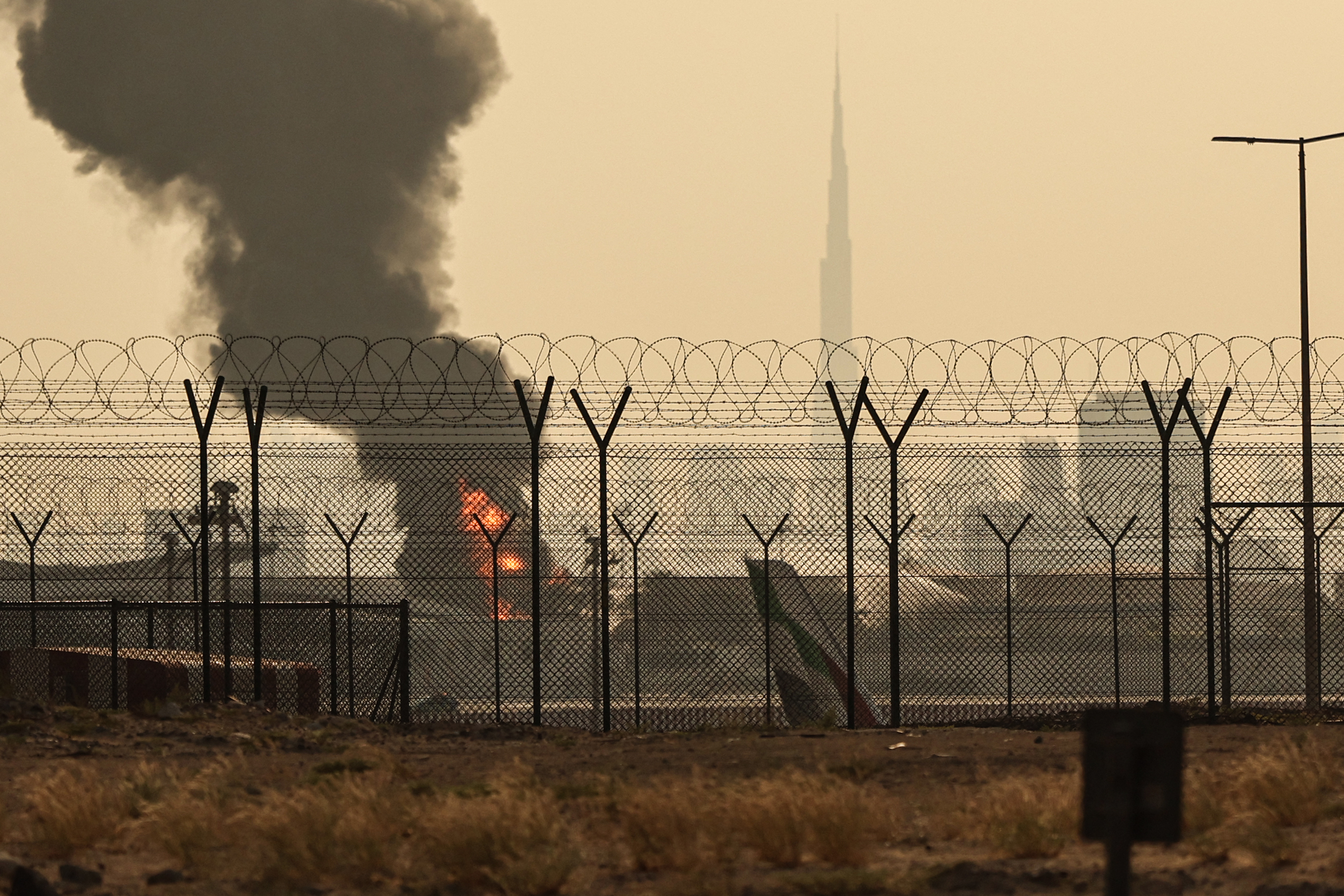
Also on Saturday, a total of 22 countries, including the United Arab Emirates (UAE), jointly condemned Iranian attacks on regional commercial vessels and civilian infrastructure amid escalating regional tensions.
In a joint statement, the UAE, Britain, France, Germany, Italy, the Netherlands, Japan, Canada, the Republic of Korea, New Zealand, Denmark, Latvia, Slovenia, Estonia, Norway, Sweden, Finland, Czechia, Romania, Bahrain, Lithuania, and Australia expressed deep concern over the situation.
The statement warned that the recent developments, including the “de facto closure” of the Strait of Hormuz, pose serious risks to global trade and energy security.
“We call on Iran to cease immediately its threats, laying of mines, drone and missile attacks and other attempts to block the Strait of Hormuz,” the statement said, urging compliance with relevant United Nations Security Council resolutions.
The UAE Ministry of Defense said its air defense systems on Saturday intercepted three ballistic missiles and eight drones launched toward the country from Iran.
On Feb 28, Israel and the United States launched joint attacks on Tehran and several other Iranian cities, killing Iran’s Supreme Leader Ali Khamenei, along with senior military commanders and civilians. Iran responded by launching waves of missile and drone strikes targeting Israel and US bases and assets in the Middle East.
Iran’s Pezeshkian reiterates conditions to end war
Iranian President Masoud Pezeshkian on Saturday proposed to form a security structure comprising regional countries to ensure peace, security and stability in West Asia without foreign interference, reiterating conditions to end the ongoing war.
He made the remarks in a phone call with Indian Prime Minister Narendra Modi, in which the two sides discussed bilateral ties as well as the latest regional and international developments in the wake of the US and Israeli attacks against Iran, according to Iran’s official news agency IRNA.
Pezeshkian said that Iran’s preconditions for ending the war are the immediate cessation of the US and Israeli “aggressions” and provision of guarantees that such attacks will not be repeated in the future, said the report.
Iranian retaliatory strikes on Israeli nuclear facility
An Iranian international affairs expert said on Saturday that Iran attacked the nuclear site in the southern Israeli city of Dimona earlier in the day in response to an Israeli strike on Iran’s Natanz atomic facility.
Morteza Simiari made the remarks in a live interview with state-run IRIB TV while elaborating on Iran’s retaliatory missile attack on the Israeli city.
He noted that the attack was carried out less than 24 hours after Israel “insanely” struck the Natanz facility in the central province of Isfahan.
Simiari said that Iran’s new “eye for an eye” strategy entails delivering reciprocal responses, but with greater intensity, to any military actions taken by Israel. According to Israeli medical officials, more than 30 people were injured in Iran’s missile strike on Dimona.
The International Atomic Energy Agency (IAEA) said there was no indication of damage to Israel’s nuclear research center – Negev following a missile attack on Dimona.
64 injured in Israel’s Arad city
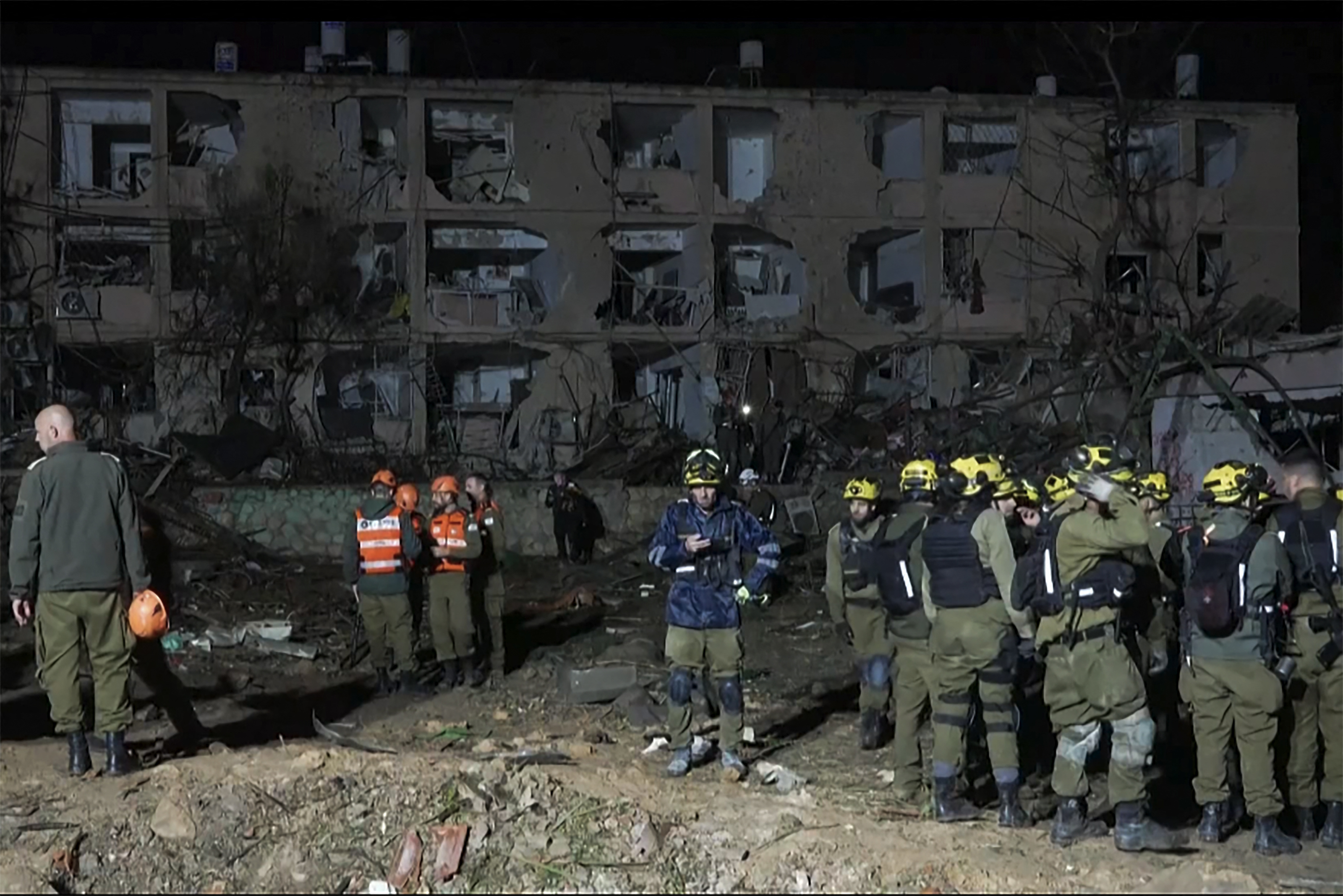
In Jerusalem, Israel’s national emergency service Magen David Adom (MDA) said in a statement that at least 64 people were injured on Saturday night in the southern Israeli city of Arad by a missile fired from Iran.
According to the MDA, seven people were seriously injured, 15 moderately injured, and the rest lightly injured.
It added that searches continue at the scene to find more injured people.
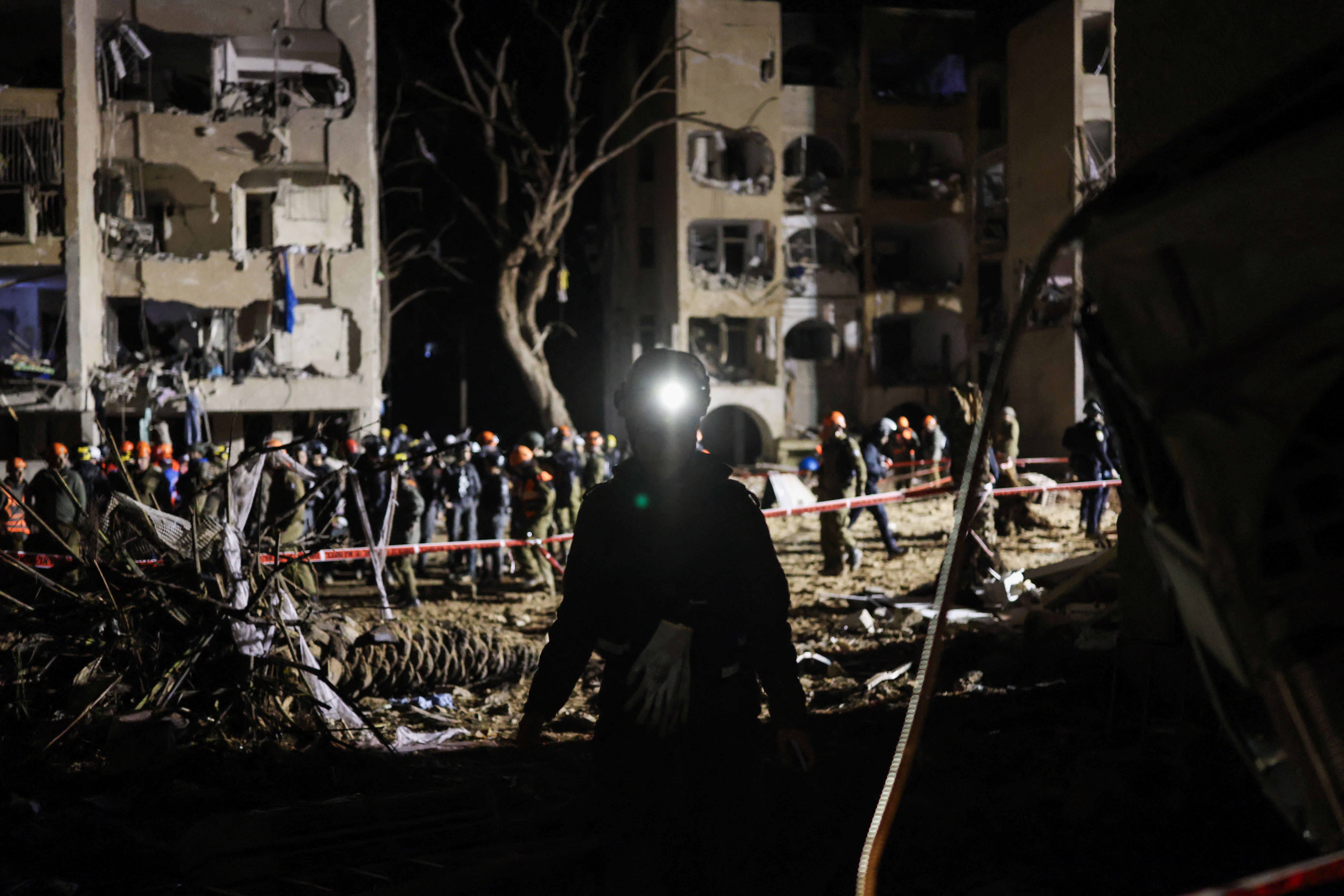
Israel’s state-owned Kan TV News reported that it was a direct missile hit at a residential building, causing many casualties and extensive destruction.
It added that emergency services have declared a “mass casualty incident,” and army and MDA helicopters were rushed to the scene.
According to the channel, the Israeli air force has launched an investigation to examine why the missile was not intercepted by the air defense system.
Earlier in the evening, a missile fired from Iran injured 47 people in the southern city of Dimona, including a 10-year-old boy in serious condition, according to the MDA.
Russia: Attack on Natanz violated international law
In Moscow, Russian Foreign Ministry spokeswoman Maria Zakharova said in a statement on Saturday that the attack on the uranium enrichment facility in Natanz, Iran, constitutes an outrageous violation of international law.
The Atomic Energy Organization of Iran reported that Israel and the United States had targeted the Natanz uranium enrichment complex earlier on Saturday, with no leaks reported.
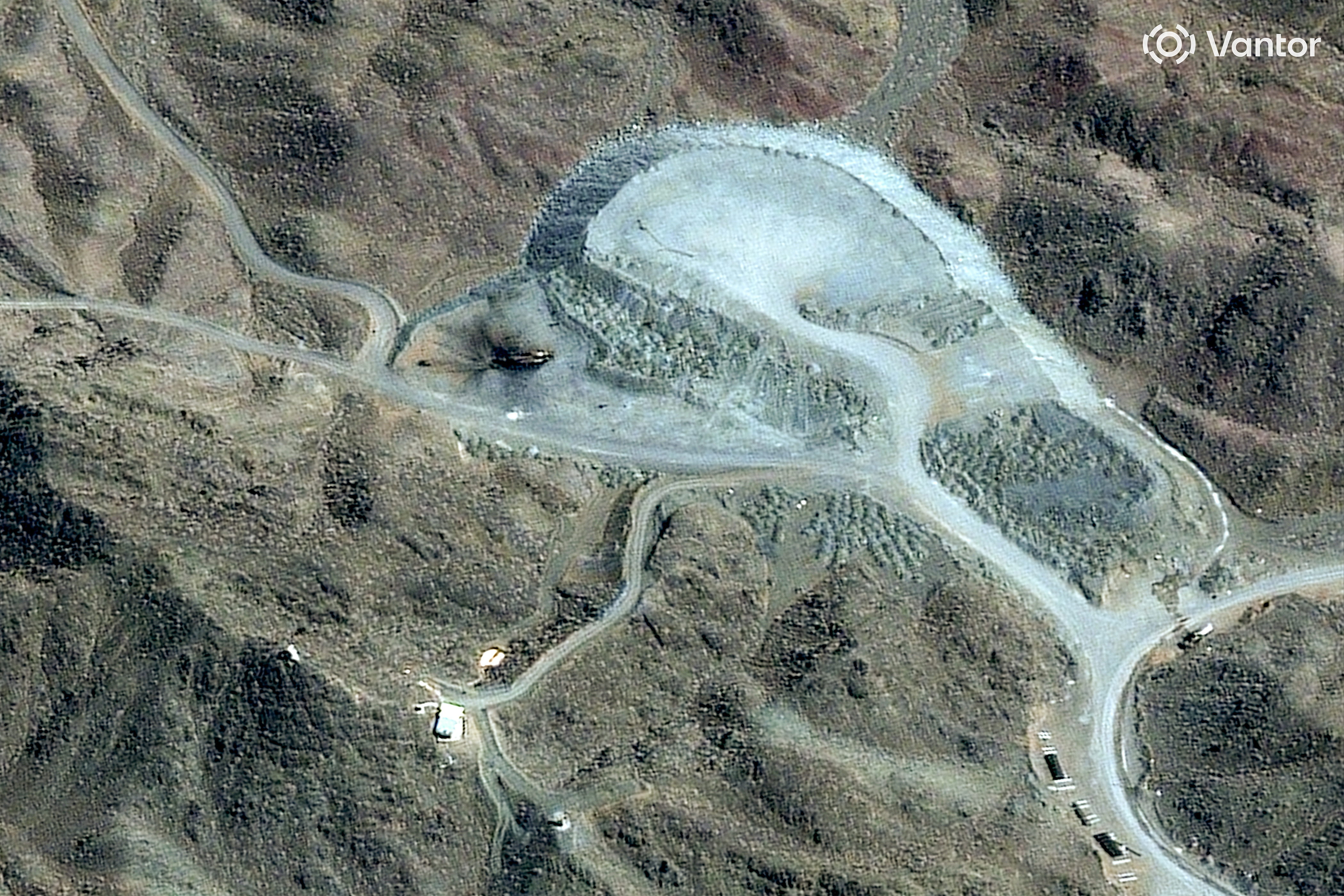
“Despite well-publicized claims that Iran’s nuclear program had been ‘completely destroyed’ in the US airstrikes as early as June last year, the uranium enrichment facility in Natanz, which is under IAEA safeguards, came under attack again,” Zakharova said.
“This is an outrageous violation of international law, the UN Charter, the IAEA Statute, and relevant resolutions of the UN Security Council and the IAEA General Conference,” she said in a statement.
Riyadh orders Iranian military attache, 4 embassy staff members to leave
Saudi Arabia declared the Iranian embassy’s military attache and four other embassy staff personae non gratae, and asked them to leave the country within 24 hours, the Saudi Foreign Ministry said Saturday in a statement.
The decision was a result of the Iranian attacks against countries including Saudi Arabia, it said, adding that the country will not hesitate to take all necessary measures to preserve its sovereignty, safeguard its security, and protect its territory, airspace, citizens, residents, capabilities and interests, in accordance with the UN Charter.
Red Crescent: 80,000 Iranian civilian places attacked
Also on Saturday, President of the Iranian Red Crescent Society Pirhossein Kolivand said in Tehran Saturday that the United States and Israel have attacked more than 80,000 civilian places since the beginning of their “aggression” against Iran.
He made the remarks in an address to foreign media representatives while highlighting the violations of international humanitarian law during the US and Israeli attacks.
He put the number of the targeted commercial units in the country at close to 18,790, noting that 266 medical centers have been hit, and 498 schools have been targeted.
Meanwhile, several media reports suggested that more than 1,500 people have been killed in Iran during the war.
UK nuclear sub arrives in Arabian Sea
A nuclear-powered Royal Navy submarine has arrived in the Arabian Sea, capable of launching cruise missile attacks on Iran, British media reported Saturday, quoting military sources.
The submarine, HMS Anson, is fitted with Tomahawk Block IV land-attack missiles and Spearfish heavyweight torpedoes, and is believed to be in the deep waters of the northern Arabian Sea, Daily Mail said.
This means that British forces have the capacity to launch attacks on Iran if the conflict escalates, it added.