



NEW YORK – US Treasury Secretary said on Thursday that Washington may lift sanctions on Iranian oil that is already in transit amid surging as a result of the US-Israeli military strikes on Iran.
In an interview with Fox Business, he said the move may free up about 140 million barrels of oil.
“In essence, we will be using the Iranian barrels against the Iranians to keep the price down for the next 10 or 14 days as we continue this campaign,” he said.
Last week, the United States temporarily lifted sanctions on the sale of that was already at sea, and the exemption will be in place until April 11.
The move has freed up 130 million barrels of oil for the global petroleum supply, Bessent said.
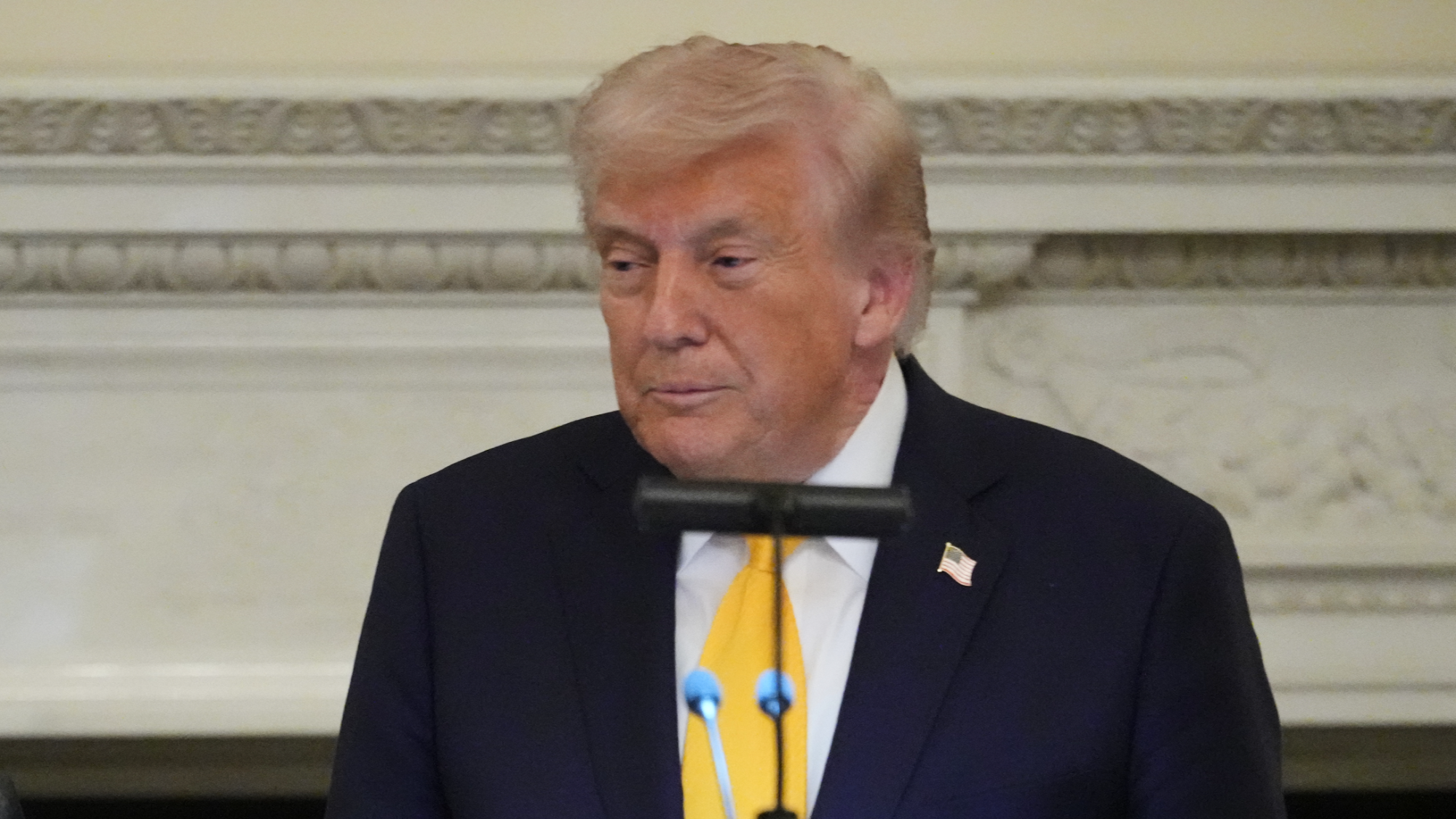
US President has ordered the release of oil from the Strategic Petroleum Reserve and moved to boost oil production off the California coast.
On Feb 28, Israel and the US launched joint attacks on Tehran and several other Iranian cities, killing Iran’s Supreme Leader , along with senior military commanders and civilians. Iran responded with waves of missile and drone strikes targeting Israel and US bases and assets across the .
Iranian ambassador to South Africa Mansour Shakib Mehr said on Wednesday that Tehran will continue its military response in exercise of “its legitimate right to self-defense” as long as it perceives an ongoing threat.
Russian warning against joining conflict
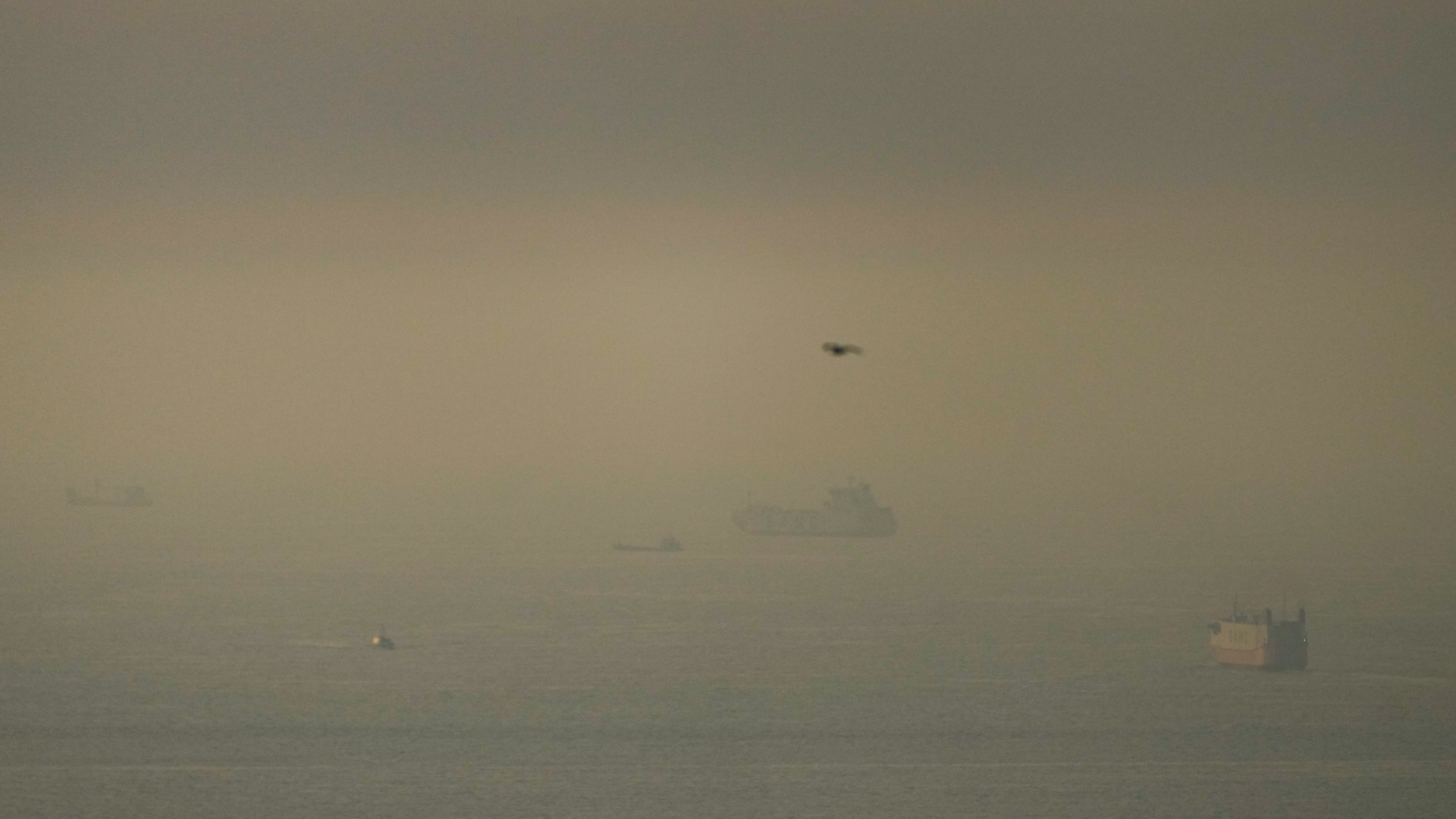
Countries that join the US-proposed coalition to escort vessels through the would, under international law, become parties to the conflict and accomplices in US and Israeli aggression against Iran, Russian Foreign Ministry spokesperson Maria Zakharova said on Wednesday.
“Russia’s position on this issue remains unchanged. We proceed from the fact that a solution to restoring navigation in the Strait of Hormuz must be sought at the negotiating table,” Zakharova said at a press briefing.
She also reiterated Moscow’s view that the US and Israeli military campaign against Iran is unfounded and unprovoked, calling for an immediate cessation of hostilities and a shift to political and diplomatic channels.
Trump has called on allies to deploy warships to the Strait of Hormuz, a vital shipping lane through which roughly one-fifth of the world’s oil flows. Most US allies have rejected the request.