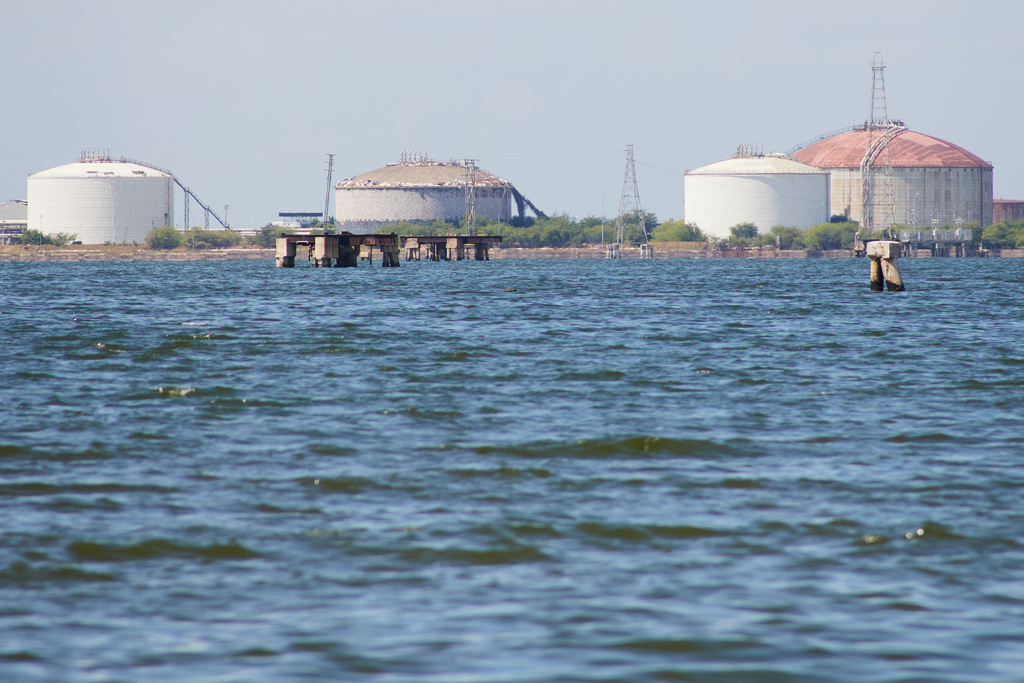


NEW YORK/WASHINGTON/CARACAS/BERLIN – US President Donald Trump on Friday signed an executive order declaring a national emergency to “safeguard Venezuelan oil revenue held in US Treasury accounts from attachment or judicial process”, ensuring the funds are preserved “to advance US foreign policy objectives”, according to a release by the White House.
The executive order blocks any attachment, judgment, decree, lien, execution, garnishment, or other judicial process against Foreign Government Deposit Funds, which are defined as the Venezuelan oil revenues and diluent sales held in US Treasury accounts, according to the White House fact sheet.
The order also prohibits transfers or dealings in these funds except as authorized, superseding any prior executive orders that might block or regulate them.
“The possibility of attachment or the imposition of judicial process against the Foreign Government Deposit Funds constitutes an unusual and extraordinary threat to the national security and foreign policy of the United States, which has its source in whole or substantial part outside the United States,” said the order.
The Foreign Government Deposit Funds are sovereign property of Venezuela held in US custody for governmental and diplomatic purposes, not subject to private claims, according to the White House.
“The United States Government will hold the Foreign Government Deposit Funds solely in a custodial and governmental capacity, and not as a market participant,” said the order.
The funds have not been, and shall not be, used for any commercial activity in the United States, added the order.
US Energy Secretary Chris Wright said Wednesday that the United States will not only market stored oil in Venezuela but also control the sales of oil output from the country indefinitely.
Americans urged to leave Venezuela
On Saturday, the US Department of State’s Bureau of Consular Affairs warned that as international flights have resumed, US citizens in Venezuela “should leave the country immediately”.
The bureau said in a post on X that the security situation in Venezuela “remains fluid” and there are “reports of groups of armed militias, known as colectivos, setting up roadblocks and searching vehicles for evidence of US citizenship or support for the United States”.
US citizens are advised to “remain vigilant and exercise caution” when traveling by road and to monitor airlines’ communications and websites for updated information.
“Venezuela has the highest Travel Advisory level — Level 4: Do Not Travel – due to severe risks to Americans, including wrongful detention, torture in detention, terrorism, kidnapping, arbitrary enforcement of local laws, crime, civil unrest, and poor health infrastructure,” the bureau said.
Release of President Nicolas Maduro, his wife
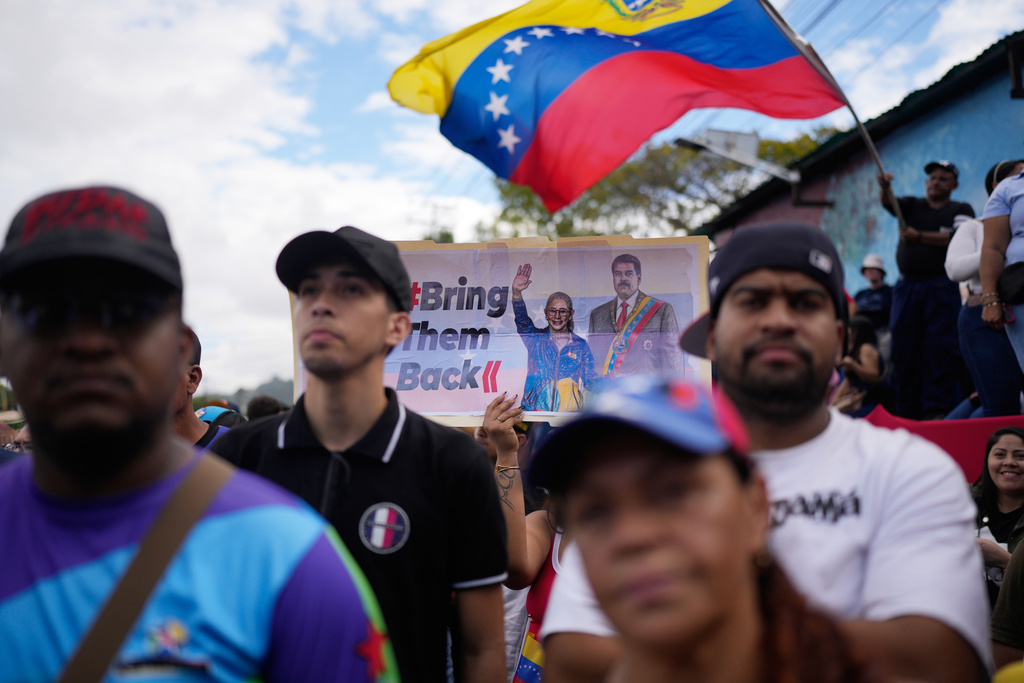
Meanwhile, Venezuela’s Acting President Delcy Rodriguez pledged to realize the return of President Nicolas Maduro and his wife, Cilia Flores, who were seized by the US on Jan 3.
Speaking at a community event in Miranda state, Rodriguez said there was no uncertainty about Venezuela’s leadership or governing program.
“There is no uncertainty here. The Venezuelan people are in charge, and there is a government, that of President Nicolas Maduro,” she said, calling for unity to guarantee peace, stability and the country’s future.
Rodriguez vowed not to rest “for a single minute” until Maduro and Flores return to Venezuela.
Martin Saatdjian, senior Venezuelan diplomat to Germany, on Saturday condemned the US for its “most serious act of aggression” against a South American nation and called for the immediate, unconditional release of Maduro and his wife.
Saatdjian, minister counsellor at the Embassy of Venezuela in Germany, made the remarks at the 31st International Rosa Luxemburg Conference, which was held in Berlin on Saturday.
Speaking on behalf of the Venezuelan Ambassador Ramon Orlando Maniglia Ferreira, Saatdjian said “it is imperative to express with the utmost firmness our absolute rejection of any action that violates the sovereignty and territorial integrity of nations.”
He added that despite the current crisis, the Venezuelan state remains stable.
“In Venezuela, all state institutions and the political power structure remain firm and operational,” he said.