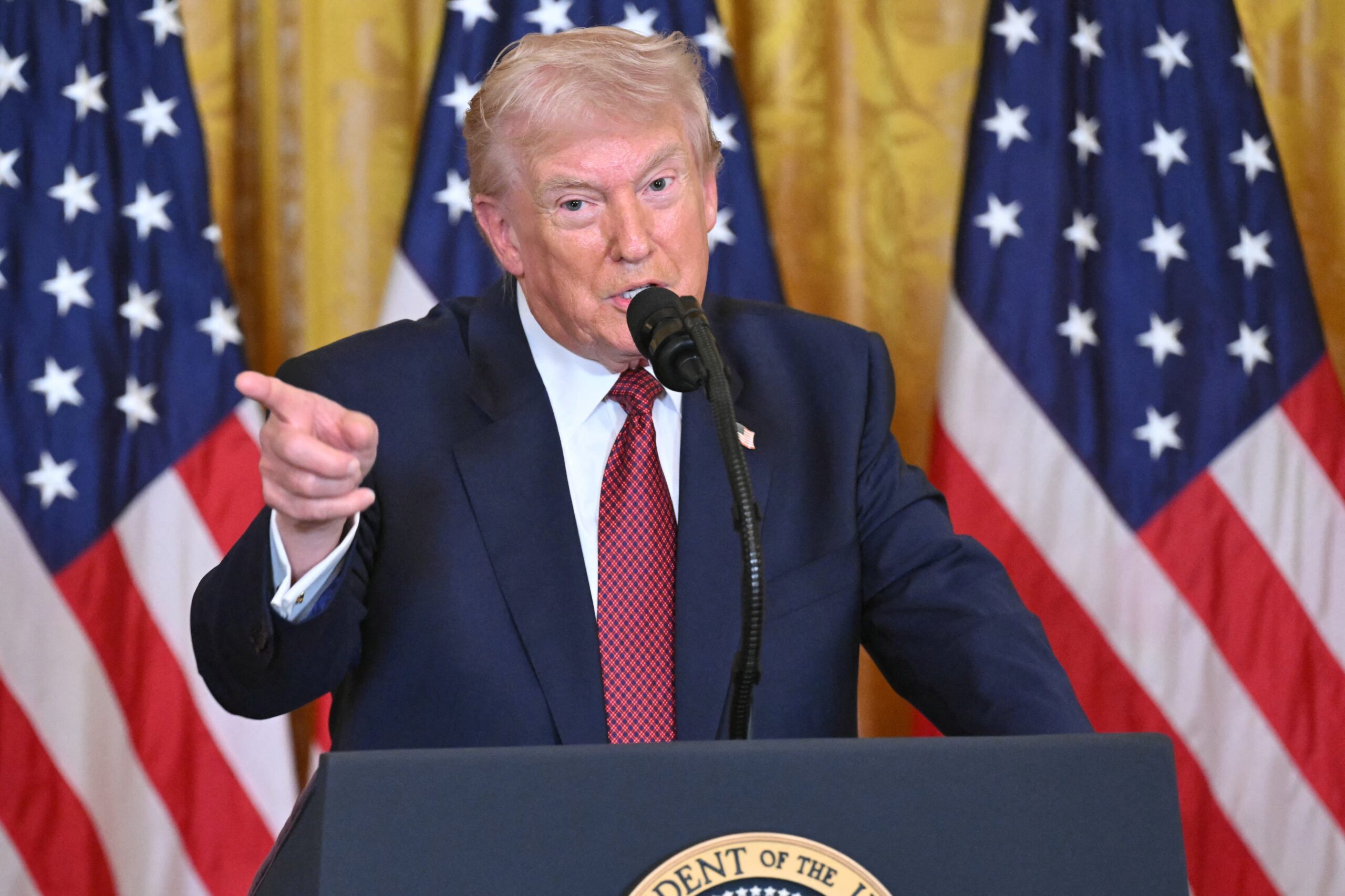


NEW YORK/WASHINGTON – US President Donald Trump is considering exiting the North American trade pact, a Bloomberg News report cited people familiar with the matter on Wednesday as saying.
Trump himself negotiated the trade pact involving the United States, and Mexico in his first term as US president. The report injects uncertainty into renegotiations of the pact, local media reported.
Trump has in recent weeks leveled new tariff threats at Canada and Mexico.
Meanwhile, the Republican-controlled US House of Representatives voted on Wednesday to reject Trump’s tariffs on Canada.
Lawmakers voted 219 to 211 in favor of a resolution to end slapping punitive tariffs on Canadian goods under the pretext of national emergency, according to local media reports.
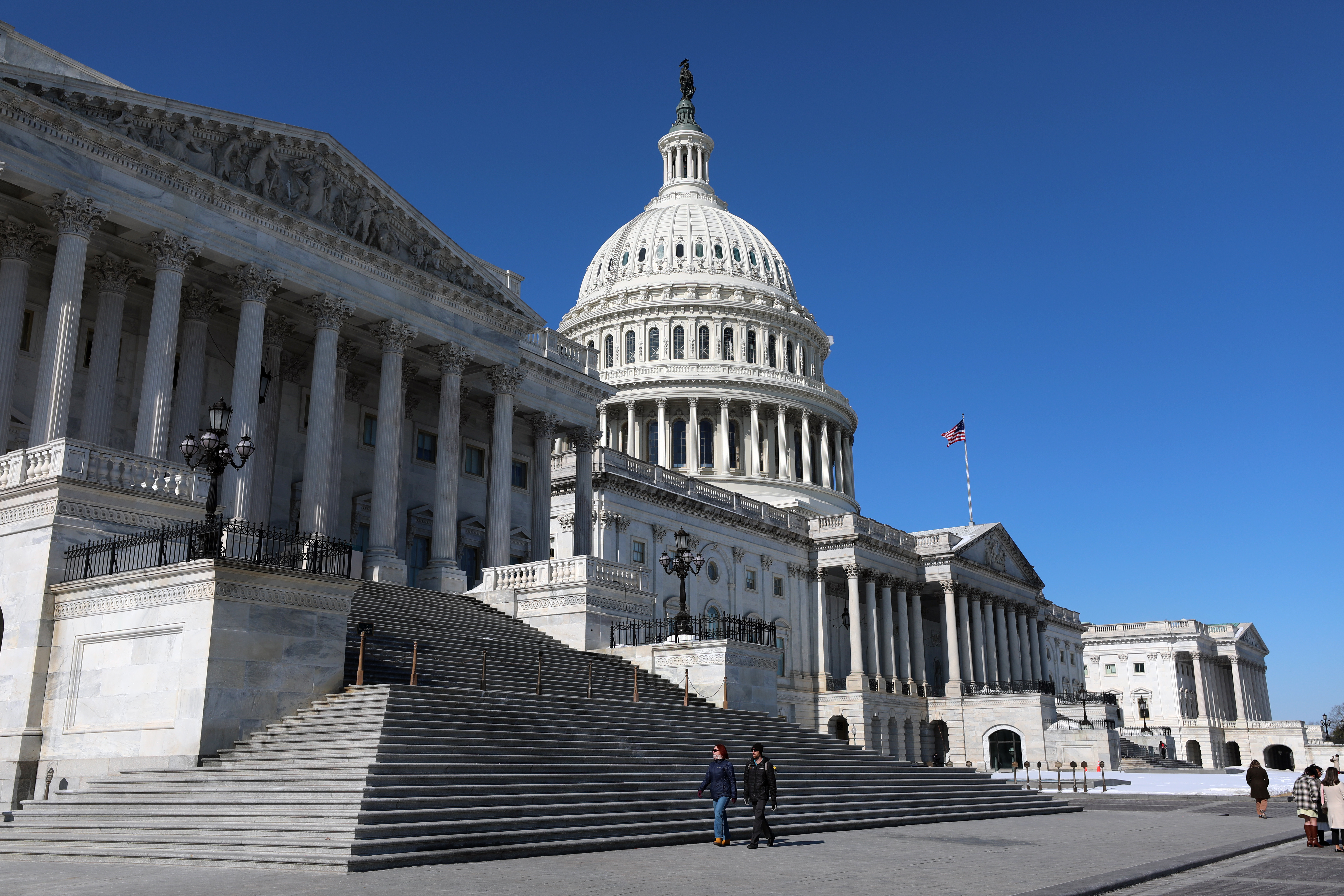
Though the vote is largely symbolic as the resolution still needs to be approved by the US Senate and then by Trump himself, it shows the lawmakers are caught between voting to “lower the cost of living for the American family” or “keep prices high out of loyalty to one person — Donald J. Trump,” said Democrat Representative Gregory Meeks, who authored the resolution.
During the House voting process, Trump threatened on his social media: “Any Republican, in the House or the Senate, that votes against TARIFFS will seriously suffer the consequences come Election time.”
“TARIFFS have given us Economic and National Security, and no Republican should be responsible for destroying this privilege,” he said.
House Speaker Mike Johnson on Tuesday tried to block the voting, calling on lawmakers to wait for the Supreme Court’s decision about the legality of Trump’s tariffs, but failed.
Since starting his second term as president in January 2025, Trump has imposed a series of tariffs on Canada. The resolution put forward by Meeks aims to terminate the national emergency that Trump declared a year ago in an executive order.
The Trump administration claims that illicit drug flow from Canada poses an unusual and extraordinary threat to the United States, thus allowing the president to impose tariffs on goods not qualifying for preferential tariff treatment under the United States-Mexico-Canada Agreement.