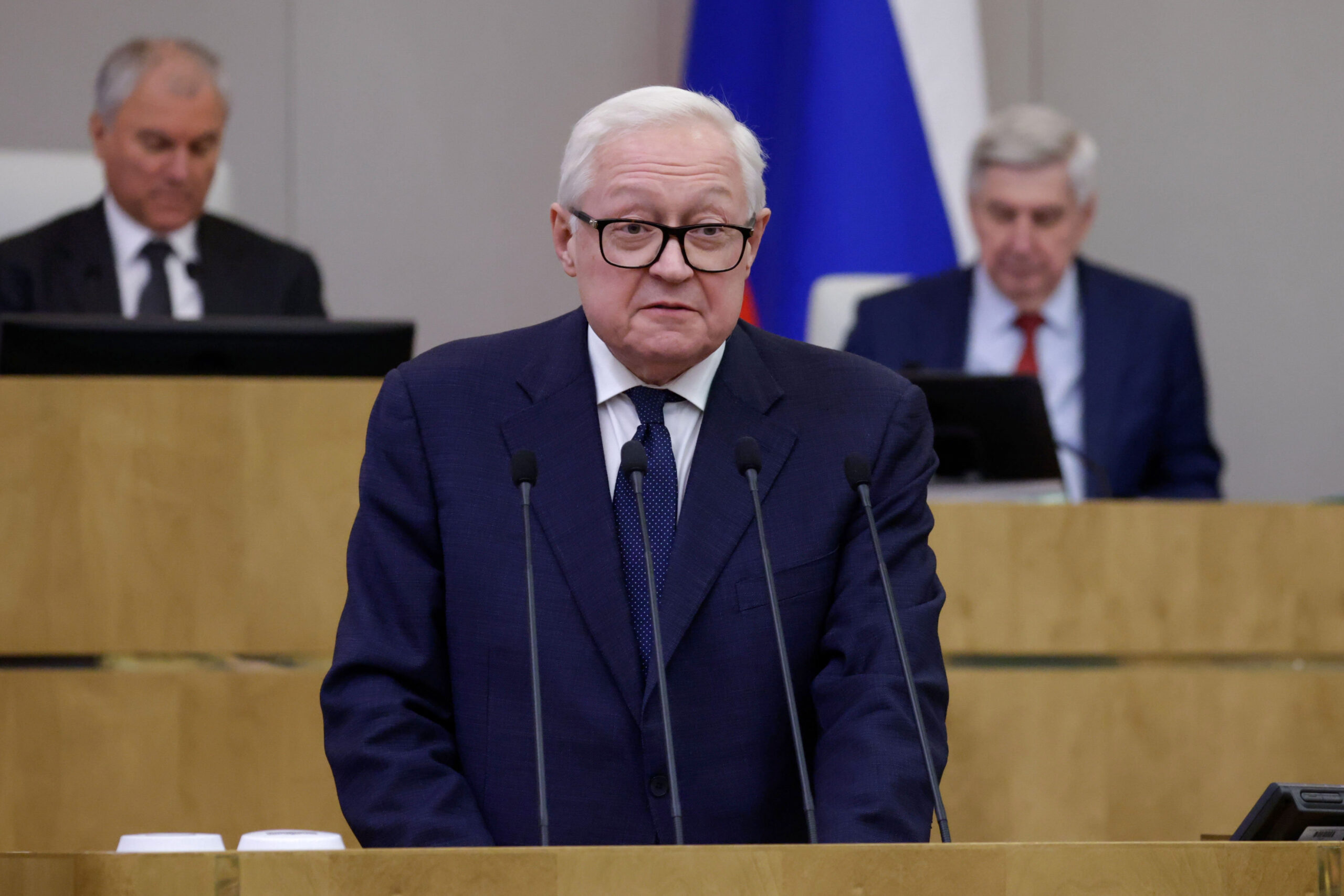


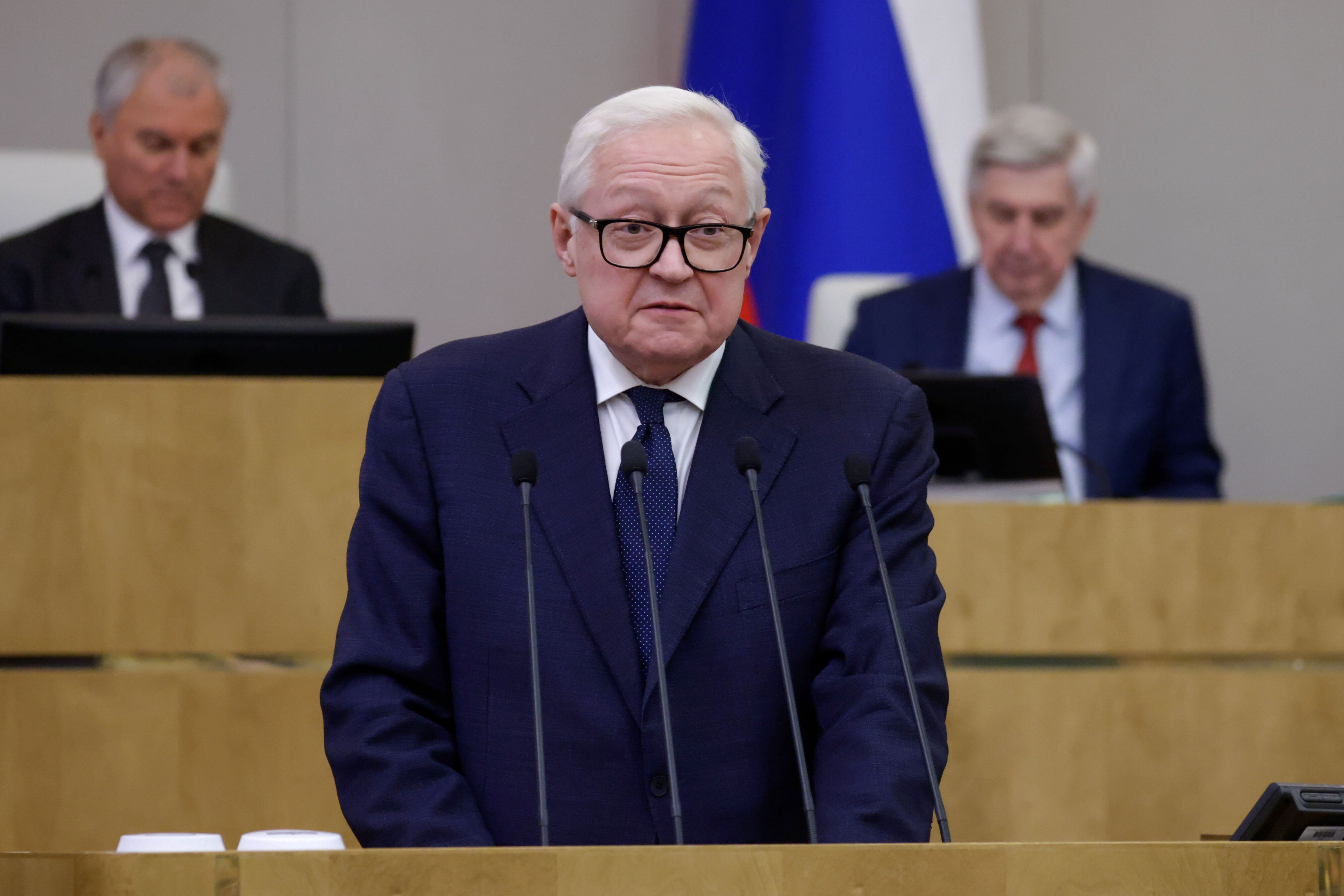
MOSCOW/OSLO/HELSINKI/BRUSSELS – Force has become Washington’s primary foreign policy instrument, Russian Deputy Foreign Minister Sergei Ryabkov said Thursday.
Speaking at the Zhirinovsky Readings International Scientific and Expert Forum, Ryabkov said the current US administration is doing what would have seemed unthinkable just a year ago.
“With its reckless actions in an attempt to maintain hegemony, the Western camp is turning the world’s majority countries against itself,” he said.
Russia’s foreign policy is independent of external factors and will not be affected by threats, blackmail or pressure, he said.
‘Great uncertainty’ in ties with US
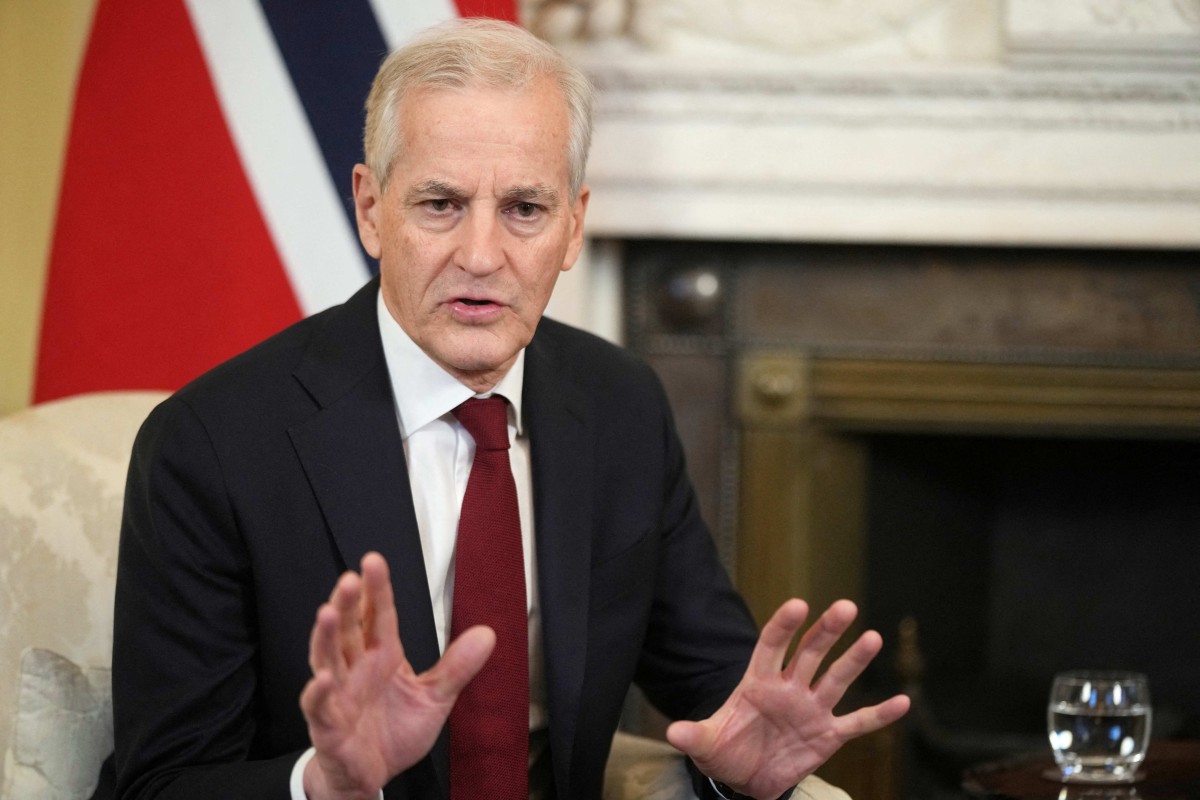
In a security policy address to Norway’s parliament, the Storting, Norwegian Prime Minister Jonas Gahr Store warned that current developments in the US under the administration of President Donald Trump are creating “great uncertainty” and a “highly demanding” environment for Norway.
Highlighting a significant shift in US foreign and trade policy, Store said “unpredictability” has become a defining characteristic of the current American administration.
Ahead of his departure for the Munich Security Conference, he expressed deep concern over what he described as frequent “rhetorical attacks” on Europe originating from the “MAGA movement’s” worldview. He specifically cited President Donald Trump’s remarks to European allies, including the claim that “your countries are going to hell,” as evidence of a deteriorating diplomatic climate.
The prime minister also mentioned the US shift toward protectionism. “Where the United States was previously the leading exponent of rules-based international trade, it now embraces tariffs,” Store said, describing these tariffs as leverage to extract concessions in areas unrelated to trade, even against long-standing allies.
Furthermore, Store criticized Washington’s withdrawal from committed international cooperation in sectors such as climate change and global health. He also cited the mounting pressure on independent institutions and media within the United States.
In response to the shifting geopolitical landscape, Store outlined a “hedging strategy” to diversify Norway’s security dependencies, excluding the dependency solely on Washington.
Gripen jets deployed for NATO operations around Greenland
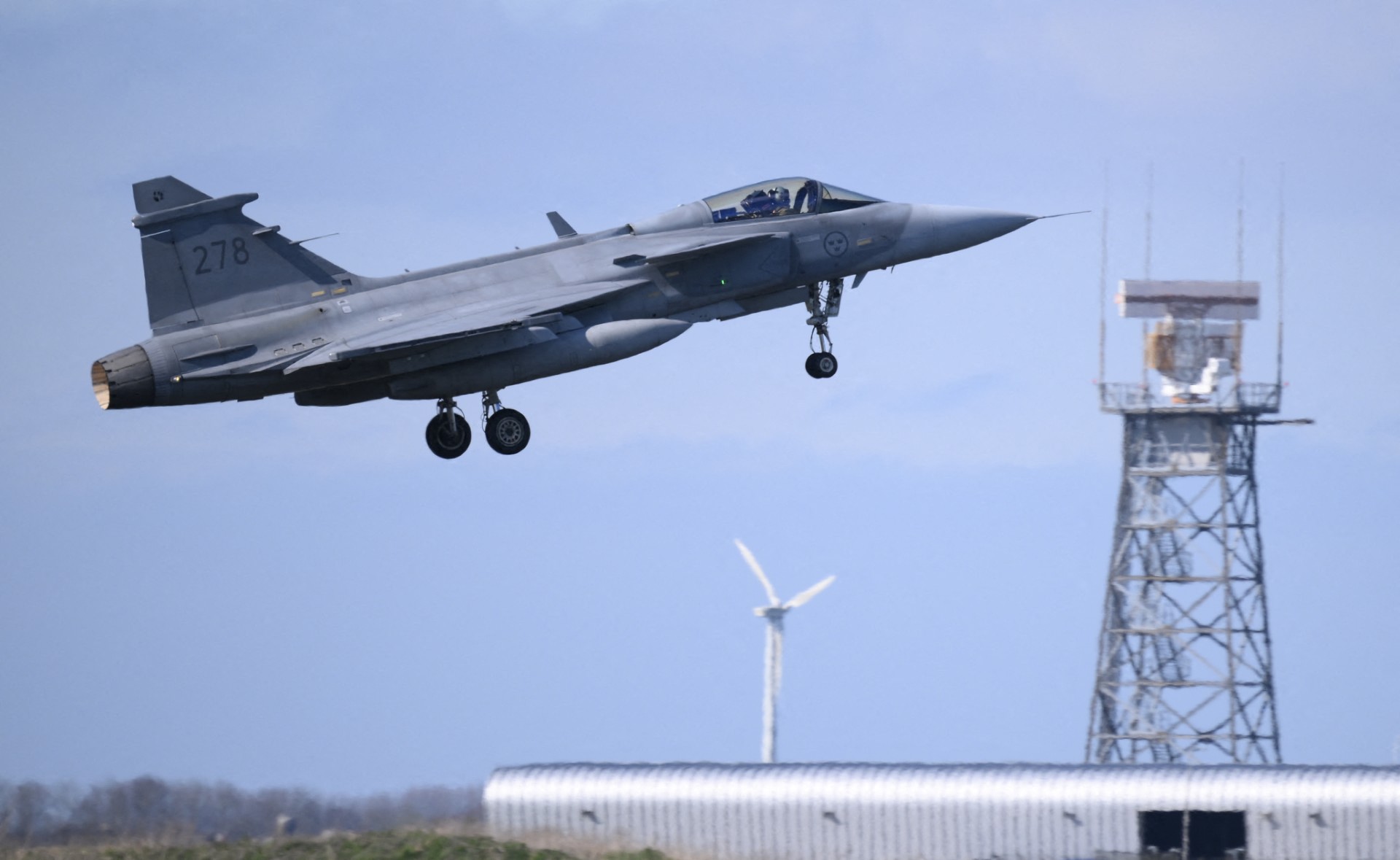
Meanwhile, the Swedish Ministry of Defense announced a plan to contribute JAS 39 Gripen fighter jets to NATO’s newly established Arctic Sentry operation to help bolster security in the Arctic and the High North.
The ministry said that Sweden will initially provide Gripen aircraft in the area around Iceland and Greenland.
Noting that the Arctic is gaining strategic importance, Prime Minister Ulf Kristersson said, “By participating in Arctic Sentry, we show that we are a solidaristic and active ally that takes responsibility for our shared security.”
He added that Sweden’s contribution would “strengthen deterrence, protect our joint interests and contribute to stability” in a region “crucial for Europe and transatlantic cooperation”.
The Swedish ministry described Arctic Sentry as an umbrella operation coordinating several ongoing and future NATO activities in the Arctic region, including Denmark-led Arctic Endurance and Norway-led Cold Response.
Sweden’s move follows repeated comments by Trump that he wants to acquire Greenland, a self-governing territory within the Kingdom of Denmark, sparking strong opposition across Europe. Iceland is a NATO member but has no air force of its own.
On Tuesday, Greenlandic Prime Minister Jens-Frederik Nielsen said in an interview with Danish Broadcasting Corporation that despite the resumption of diplomatic talks with the US government, Washington’s desire to take over Greenland remains.
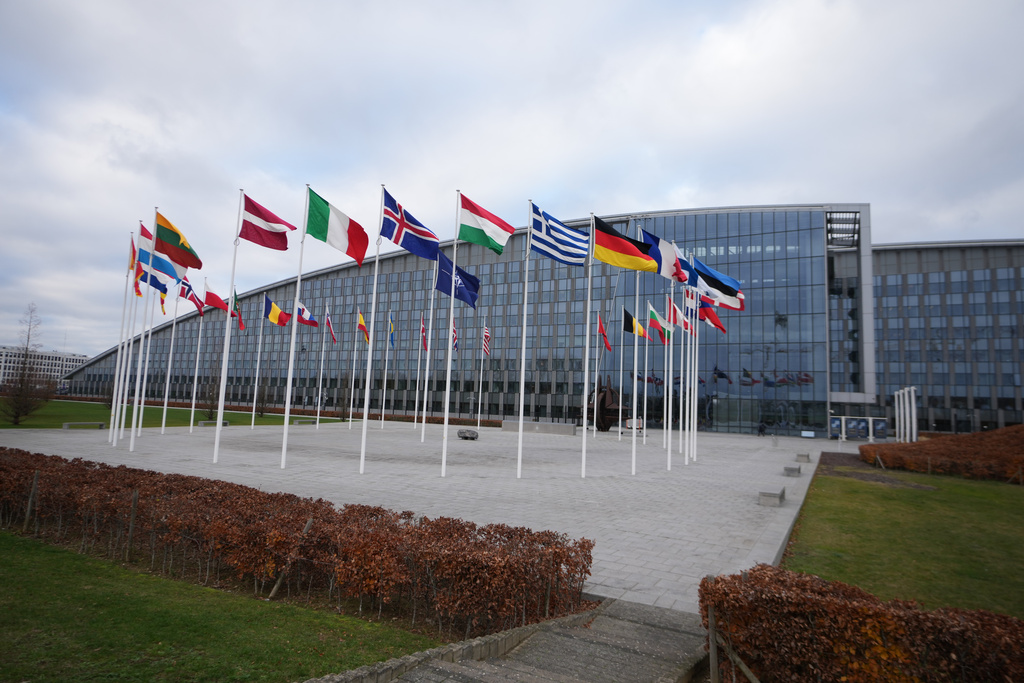
‘NATO to be built on partnership’
Ahead of a NATO defense ministers’ meeting, US Defense Department Undersecretary for Policy Elbridge Colby said the US strives to transform the NATO into an alliance based on partnership rather than dependency.
He said the United States advocates that Europe lead NATO’s conventional defense, adding that this is really a return to a serious alliance focused on defense and deterrence.
“Now is the time to march out together, to be pragmatic, focus on ‘flexible realism’ grounded in the National Security Strategy and National Defense Strategy,” he said.