

TEHRAN/JERUSALEM/DUBAI/MANAMA/WASHINGTON – Iranian President Masoud Pezeshkian said on Sunday that Iranians would not allow the “enemies” to seize even a single inch of the country’s territory, the official Islamic Republic News Agency reported.
Pezeshkian made the remarks during a meeting with Health Minister Mohammad-Reza Zafarghandi in Tehran while outlining Iran’s position on the ongoing US and Israeli attacks.
Referring to his remarks on Saturday in which he apologized to neighboring countries and said attacks against them would stop, Pezeshkian said the “enemies” had misinterpreted his comments and were seeking to sow discord between Iran and its neighbors.
He stressed that Iran has repeatedly emphasized its “good and brotherly” relations with neighboring countries, adding that if the United States or Israel launch attacks on Iran from the territory of other states, Iran would inevitably respond, but such a response would not mean Iran has disputes with those countries or their people.
“We are concerned about the dear peoples who have been affected by the regional tensions, and we apologize to them,” Pezeshkian said.
He added that despite the current challenges facing the country, Iranians would stand against their enemies and “will not allow them to seize even a single inch of our country’s soil.”
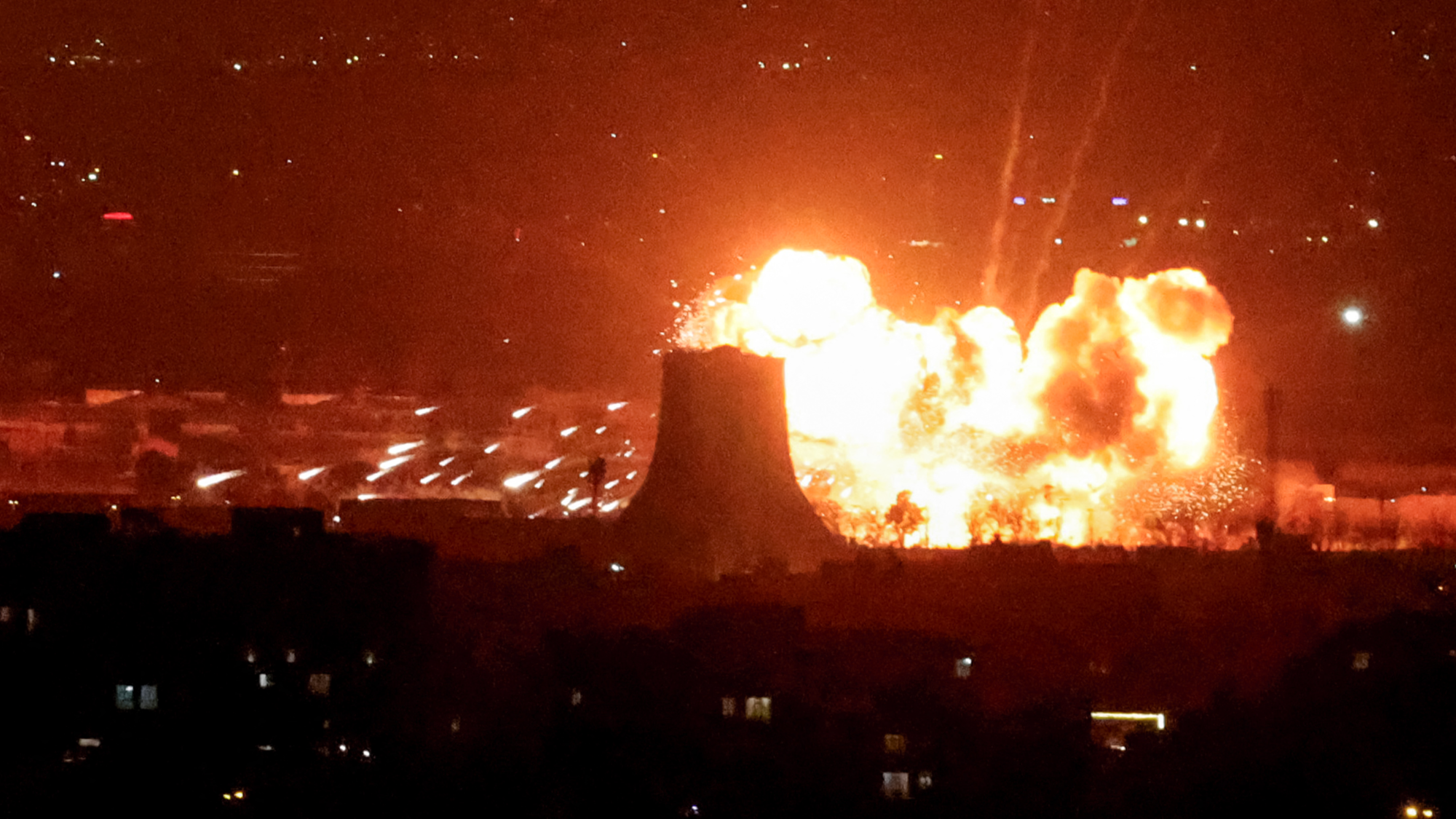
On Feb 28, Israel and the United States launched joint attacks on Tehran and several other Iranian cities, killing Iran’s Supreme Leader Ali Khamenei, along with several senior military commanders and civilians. Iran later launched multiple waves of missile and drone strikes targeting Israeli and US bases in the Middle East.
The conflict has had broader regional repercussions, raising concerns about disruptions to oil exports and global energy markets.
In a post on social media platform X on Sunday, Iran’s Parliament Speaker Mohammad Bagher Ghalibaf warned that the continuation of the war could severely disrupt oil production and exports in the West Asia region.
He also criticized remarks by US President Donald Trump that oil prices would not surge sharply, saying the rise in prices had already contradicted those claims.
Ghalibaf added that if the war continues, oil exports and production in the region could be severely affected, warning that not only US interests but also those of other countries could be harmed by what he called the “delusions” of Israeli Prime Minister Benjamin Netanyahu.
Meanwhile, Iran’s Islamic Revolution Guards Corps said it attacked a refinery in Israel’s Haifa on Saturday night in retaliation for a US-Israeli strike on its own energy infrastructure.
In a statement published on its official news outlet Sepah News, the IRGC said the Haifa refinery was hit by Kheibarshekan missiles in response to the attack.
The National Iranian Oil Refining and Distribution Company said energy infrastructure in the country came under the US-Israeli attacks Saturday night.
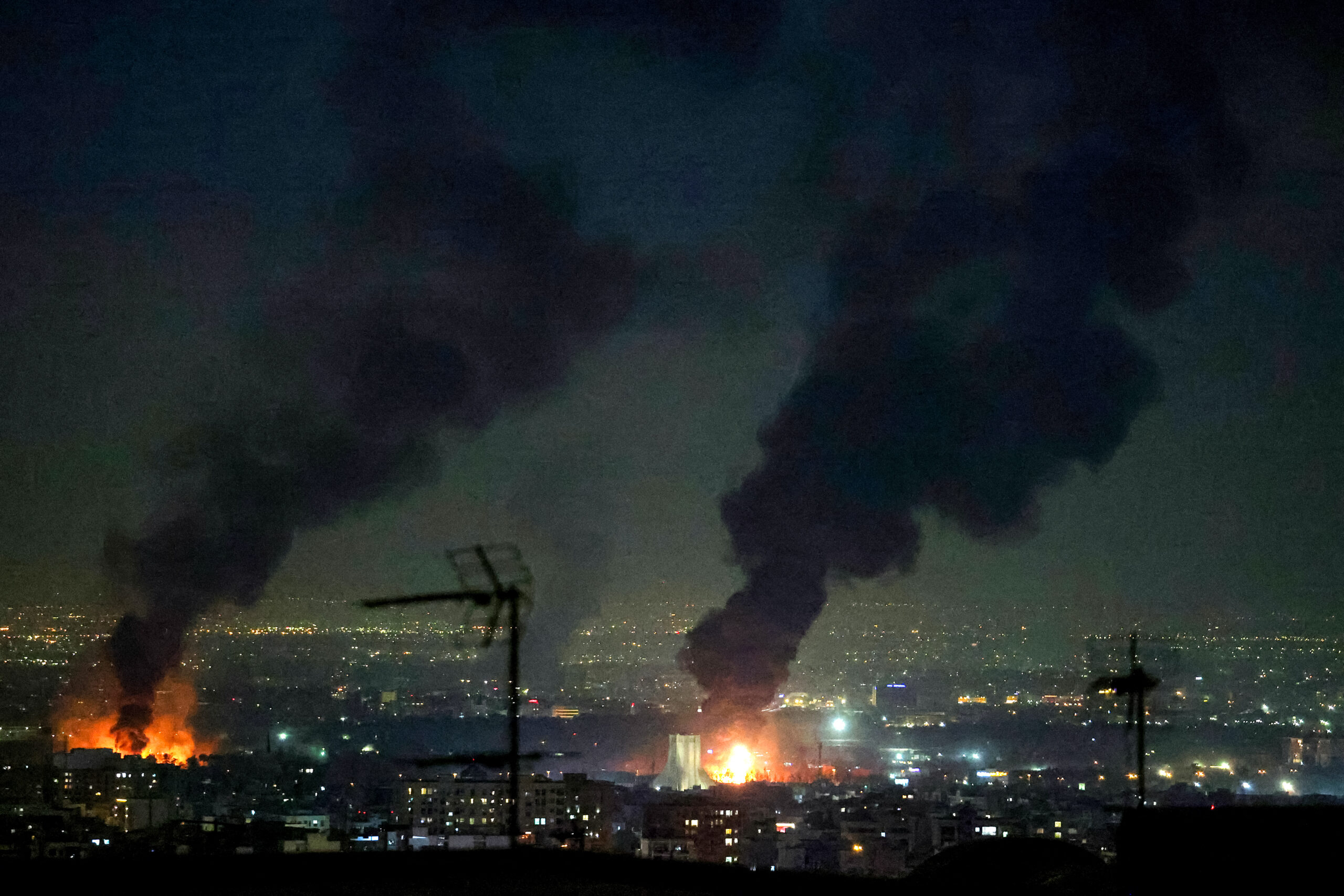
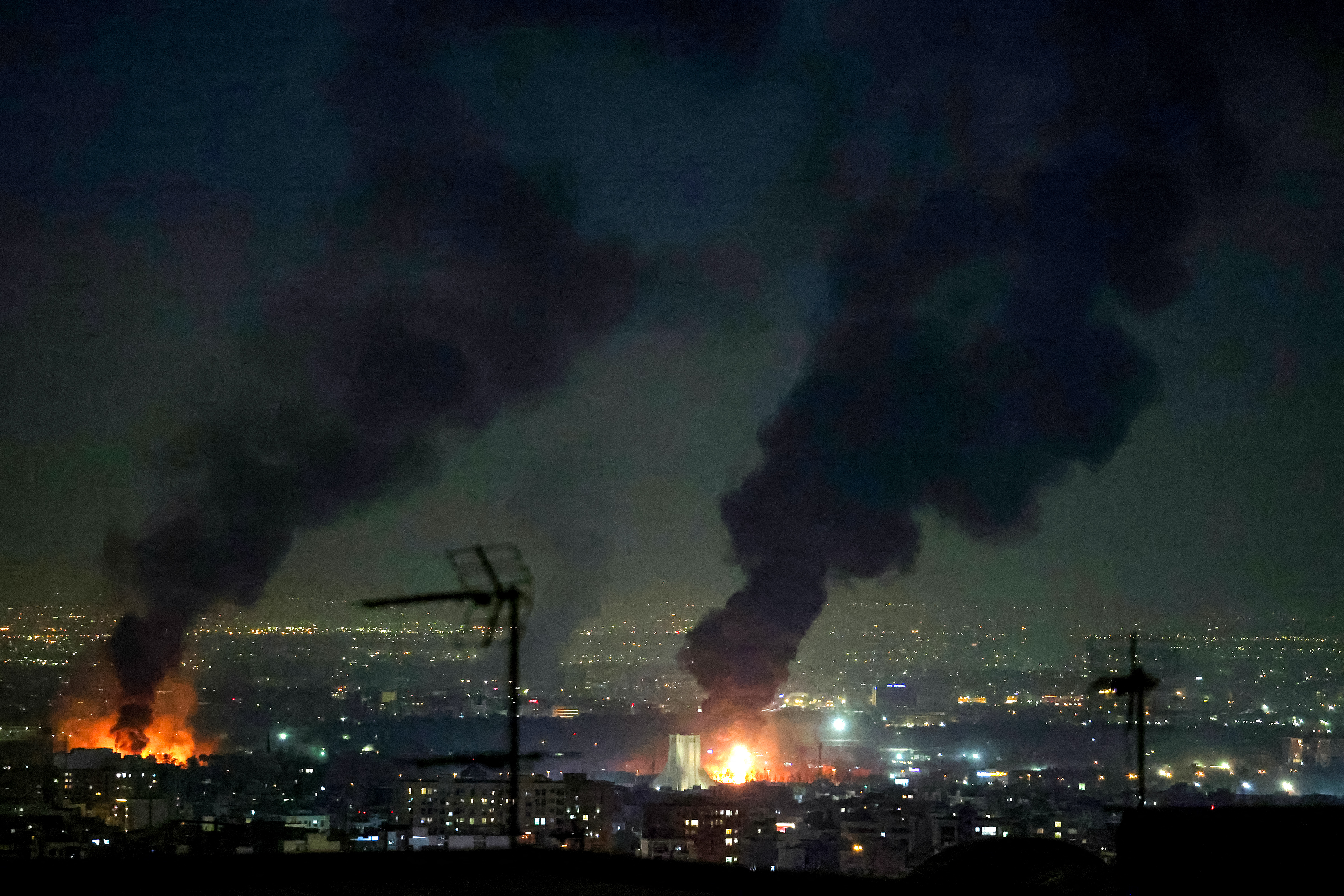
A number of oil depots in the provinces of Tehran and Alborz were hit by missiles and caught fire, the company said, adding that firefighting teams are containing the fire.
The Israel Defense Forces (IDF) said Saturday night it had struck several fuel storage complexes used by Iran’s military forces in Tehran.
The attack was carried out by the Israeli air force using precise intelligence, it added.
Commenting on the attacks, Secretary of Iran’s Supreme National Security Council Ali Larijani said on Saturday the United States and Israel aim to disintegrate and divide the country.
He called on Trump to accept that he has made a mistake and been deceived by Israel.
“The Americans left a scar on the hearts of our people. We will not let go of them,” Larijani said.
US attack on desalination plant condemned
Iran’s Foreign Minister Seyed Abbas Araghchi on Saturday strongly condemned the US attack on a water desalination plant on Iran’s southern Qeshm Island.
He made the remarks in a post on social media platform X after the United States reportedly destroyed the facility with missiles launched from its Jufair base in Bahrain on Friday.
“The US committed a blatant and desperate crime by attacking a freshwater desalination plant on Qeshm Island. Water supply in 30 villages has been impacted,” Araghchi said.
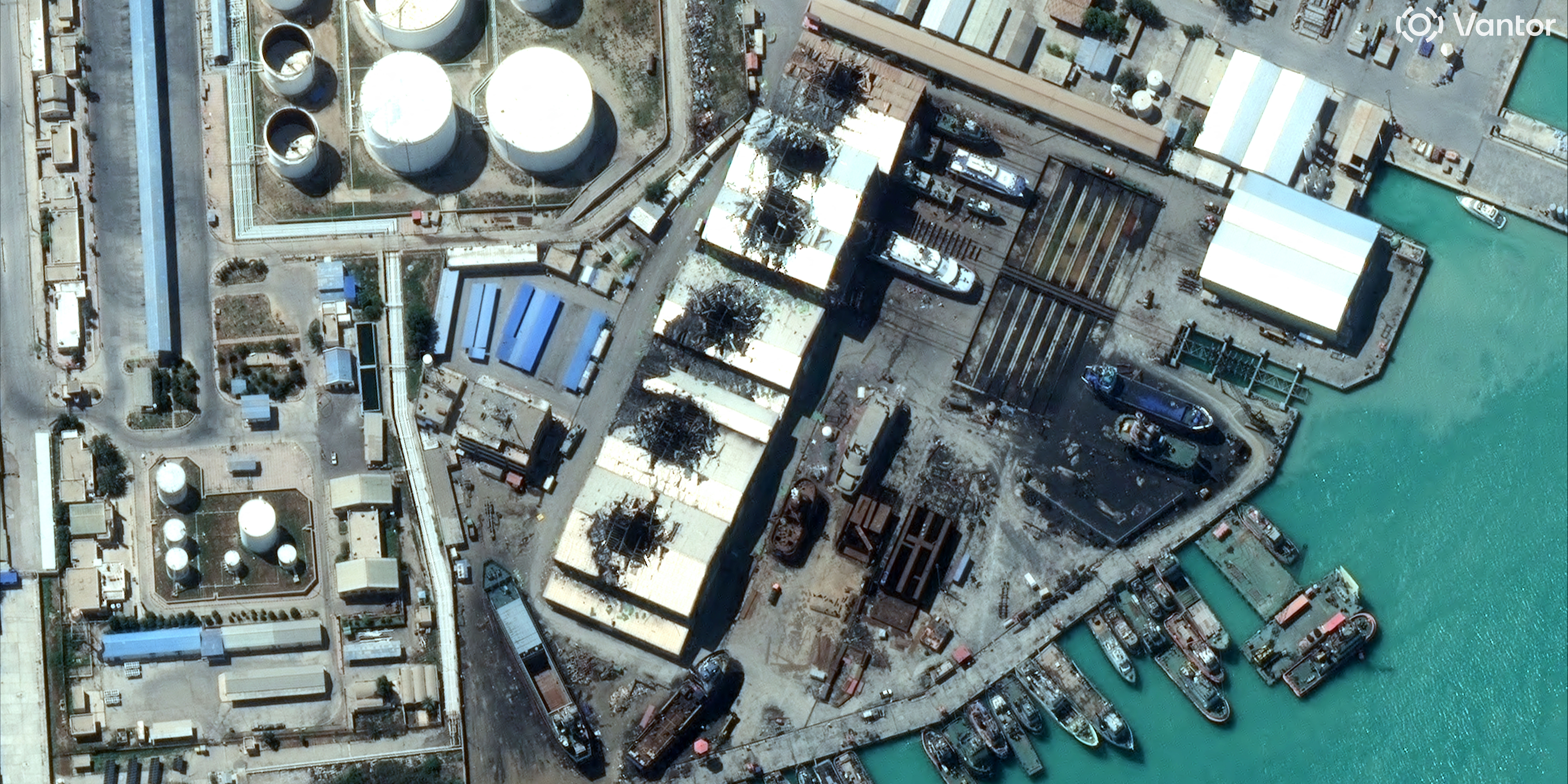
He added that attacking Iran’s infrastructure is a “dangerous move with grave consequences.”
Ghalibaf said on his X account that the attack on the Qeshm desalination plant was carried out with support from one of the air bases in the southern neighboring countries.
Iran’s IRGC said on Saturday that it retaliated for the US attack by striking the US base in Bahrain with solid- and liquid-fuel precision-guided missiles.
An Iranian military spokesperson also said Saturday that “enemy ships” entering the Gulf will “end up at the bottom” of the waterway, according to multiple media reports.
Oil tankers hit
In a statement published on its official news outlet Sepah News, Iran’s IRGC said Saturday that it has hit a Marshall Islands-flagged oil tanker as a US asset in the middle of the Gulf.
The IRGC identified the tanker as Louise P, saying it was hit with a drone around Saturday noon, the statement said.
It added the IRGC has earlier announced that all Israeli and US assets in the West Asia region would be considered as legitimate targets for the Iranian armed forces.
Earlier in the day, Iran’s official news agency IRNA reported that the IRGC hit an oil tanker in the Strait of Hormuz on Saturday morning.

The report said the “violating” oil tanker, sailing under the commercial name Prima, was struck by a drone after it failed to pay attention to frequent warnings issued by the IRGC’s Navy about the prohibition of movement across the Strait of Hormuz due to security reasons.
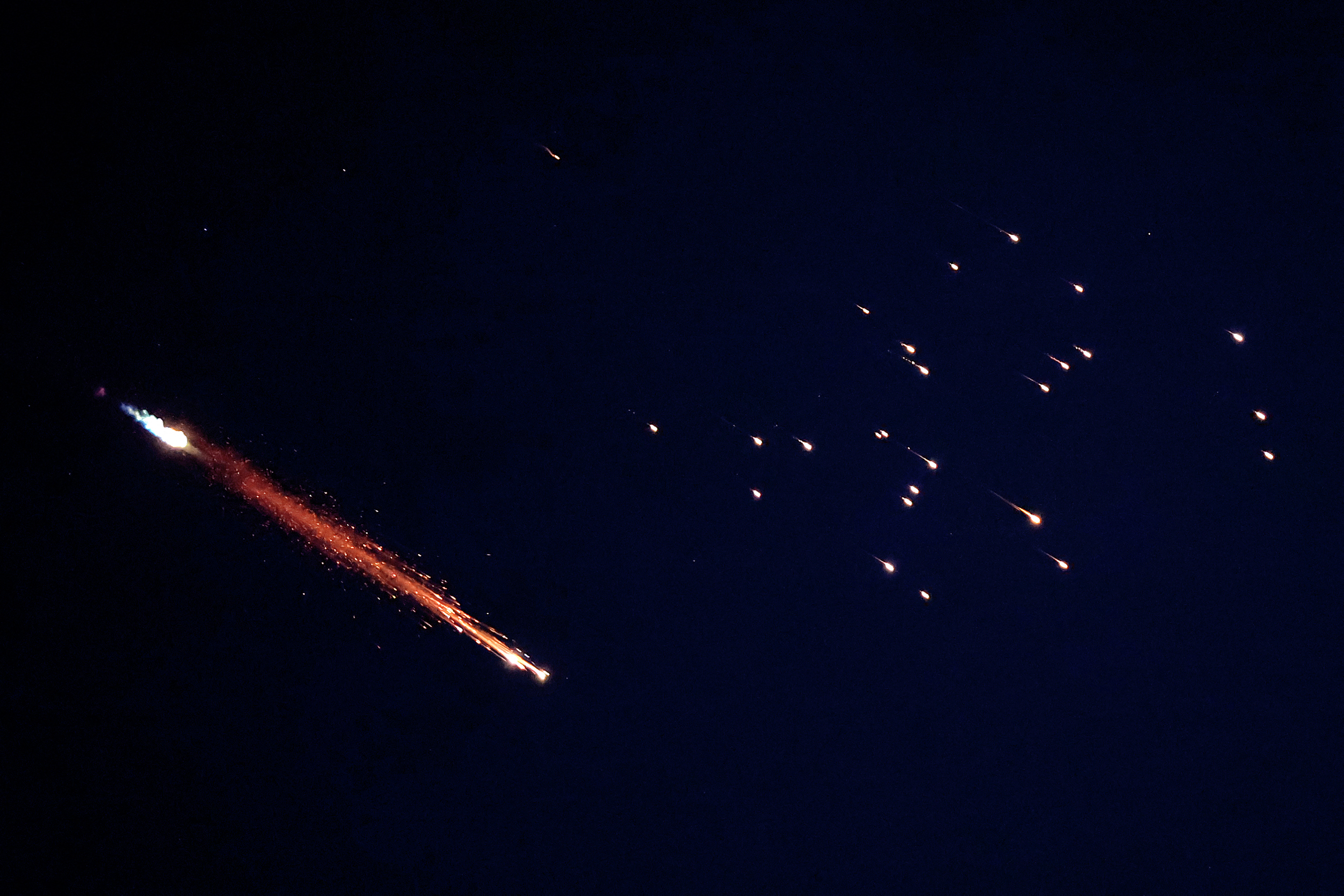
Over the past week, the Iranian military launched around 600 missiles, along with approximately 2,600 drone operations, hitting 200 US and Israeli targets, the semi-official Tasnim news agency reported on Saturday.
Trump: 42 Iranian navy ships destroyed
Trump said Saturday that the US military has destroyed 42 Iranian navy ships and paralyzed Iran’s communications over the last three days.
He made the claims while addressing leaders from 12 Western Hemisphere countries at the “Shield of the Americas Summit” in Doral, Florida.
“That was the end of the navy. We knocked out their air force, we knocked out their communications, and all telecommunications is gone,” Trump said.
Netanyahu: Attacks to continue with ‘full force’
Netanyahu said in a live broadcast statement on Saturday that Israel’s attack on Iran will continue with “full force and uncompromising momentum.”
Israel has a well-prepared plan with many surprises to undermine “Iranian regime” and “enable change,” Netanyahu said.
The IDF said in a statement on Saturday that it struck two main ballistic missile production sites in Iran.
The two sites, located in Parchin and Shahrud, were struck by hundreds of Israeli fighter jets, guided by intelligence, it said.
UAE
Authorities in the United Arab Emirates (UAE) issued a mobile alert on Sunday warning residents of a potential missile threat and urging them to seek shelter.
According to the alert sent by the UAE Ministry of Interior, residents were advised to immediately seek refuge in the nearest secure building and stay away from windows, doors and open areas.
On Saturday, UAE President Sheikh Mohamed bin Zayed Al Nahyan said that the UAE prioritizes the security and protection of all citizens, residents and visitors and is fully prepared to confront current threats.
Debris from an aerial interception fell on a vehicle in Dubai’s Al Barsha area, killing an Asian driver, authorities said on Saturday.
In a post on social media platform X, the Dubai Media Office said the incident followed a successful interception operation by air defense systems.
Bahrain
Iranian attacks continued on Sunday in Bahrain, with three people reported injured and key facilities damaged.
Bahrain’s Interior Ministry said the attacks resulted in three people being injured and material damage to a university building in Muharraq after missile fragments fell on the site. A drone attack also caused material damage to a water desalination plant.
Bahrain’s Electricity and Water Authority said that there was “no impact on water supplies or the capacity of the water network” as a result of the Iranian attack on one of the desalination plants.