

WASHINGTON/TEHRAN/JERUSALEM/DUBAI – US President Donald Trump said Saturday that he’s not ready to make a deal to end the military campaign against Iran “because the terms aren’t good enough yet.”
“Iran wants to make a deal, and I don’t want to make it because the terms aren’t good enough yet,” he said of ending the war with Iran in an interview with NBC News, adding that any terms will have to be “very solid.”
Trump, though declining to tell what his terms would be, said that a commitment from Iran to completely abandon any nuclear ambitions would be part of those terms for a ceasefire.
His remarks came two weeks after the United States and Israel started massive attacks on Iran on Feb 28, which are disrupting global shipping, sending oil prices soaring, and shaking the global economy.
As the strikes entered the third week, they are wreaking increasingly severe havoc on global energy and economic markets.
Trump said he is asking the countries affected by the war to help keep the Strait of Hormuz open and safe amid surges in global oil prices.
The strait is one of the world’s most critical shipping lanes, particularly for oil tankers. Trump said Saturday that several countries have committed to helping secure the strait, but declined to name any of them.
“They’ve not only committed, but they think it’s a great idea,” he said.
In a post on Truth Social earlier on Saturday, Trump called on the countries that receive oil through the strait to “take care of that passage,” claiming the United States will “coordinate” the joint efforts.
Separately, he wrote in another post that many countries “will be sending war ships” to keep the strait open, without offering any details.
When asked in the telephone interview with NBC News whether the US Navy would start escorting ships through the Strait of Hormuz, the president said, “I don’t want to tell you anything about that,” but added that “it’s possible.”
Araghchi: Iran would retaliate if energy infra attacked
Also on Saturday, Iran’s Foreign Minister Seyed Abbas Araghchi warned that any attack on Iran’s oil and energy infrastructure would trigger retaliation against regional facilities linked to US companies.
In an interview with US broadcaster MS Now, Araghchi responded to Friday’s US strike on Kharg Island, Iran’s southern strategic oil terminal, and to Trump’s threat to target the island’s oil infrastructure if shipping through the Strait of Hormuz is disrupted.
“Our armed forces have already stated that they will retaliate if our oil and energy infrastructure is attacked. They will strike any energy facility in the region that belongs to or is partially owned by an American company,” Araghchi said.
He also claimed that Friday’s US strikes originated from two locations in the United Arab Emirates: Ras Al-Khaimah and an area near Dubai, cautioning that using densely populated regions to launch attacks on Iran is highly dangerous.
“We would certainly retaliate, but we try to avoid hitting populated areas,” he added.
Echoing the warning, Iran’s Khatam al-Anbiya Central Headquarters, the country’s primary military command, said any attack on Iran’s oil, economic, or energy infrastructure would prompt immediate strikes on regional facilities affiliated with American companies. “All oil, economic, and energy infrastructure linked to US interests will be destroyed and reduced to a pile of ashes,” spokesman Ebrahim Zolfaghari told the official IRNA news agency.
Araghchi said the Strait of Hormuz remains open to shipping, except for vessels belonging to Iran’s enemies and their allies. While some ships avoid the waterway due to security concerns, many tankers continue to pass through.
Despite the strike, oil exports from Kharg Island continue uninterrupted. Ehsan Jahanian, deputy governor of Bushehr province, told semi-official Tasnim news agency that while military facilities and the airport on Kharg sustained damage, there were no casualties, and commercial operations remain ongoing.
‘Large-scale precision strike on Kharg’
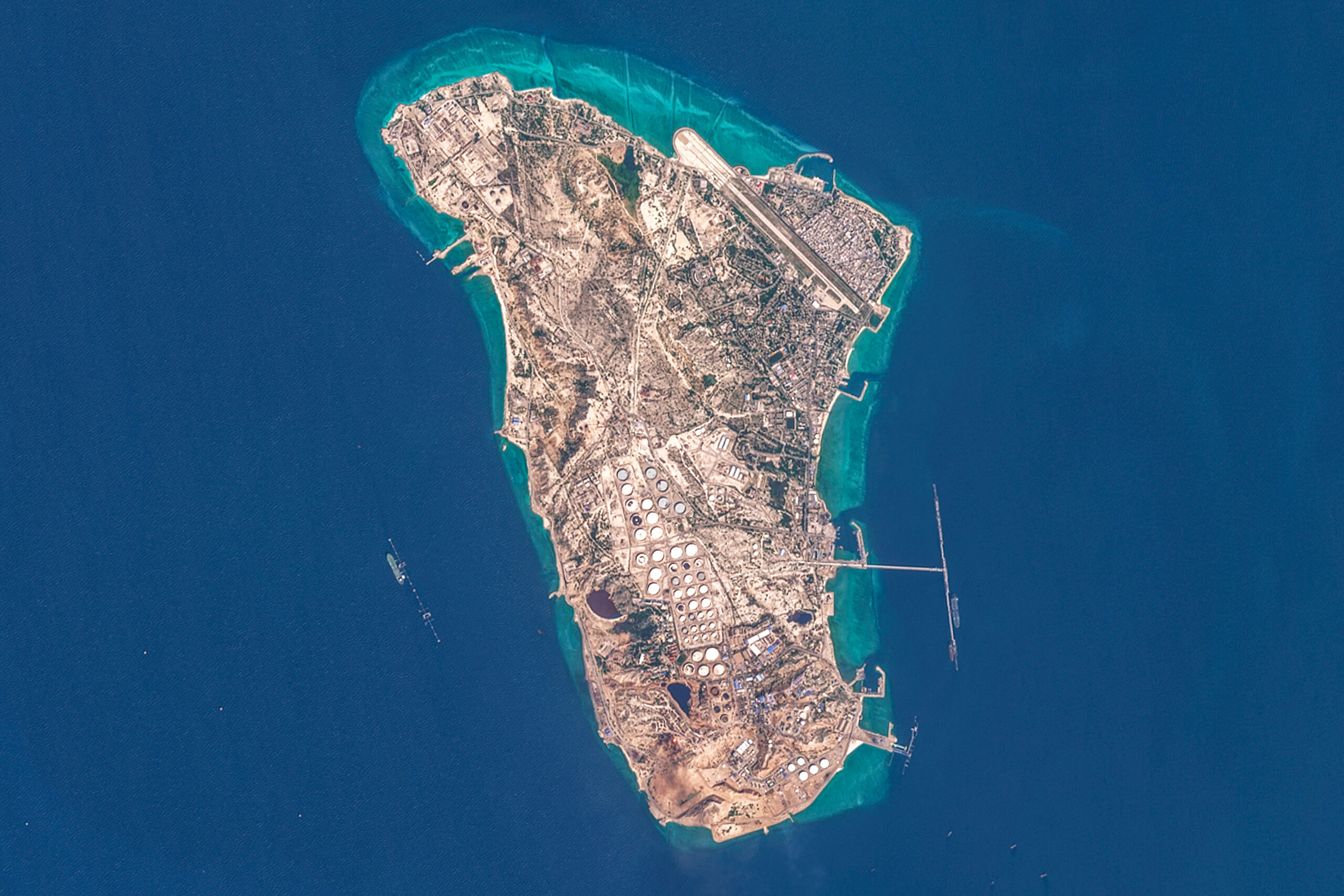
The US Central Command (CENTCOM) claimed on Saturday that US forces “executed a large-scale precision strike” on Kharg Island, on Friday night.
“US forces successfully struck more than 90 Iranian military targets on Kharg Island, while preserving the oil infrastructure,” CENTCOM said in a post on X.
The strike destroyed naval mine storage facilities, missile storage bunkers, and multiple other military sites, the post said.
Kharg Island lies in the Persian Gulf about 25 km off Iran’s coast and accounts for about 90 percent of Iran’s crude exports.
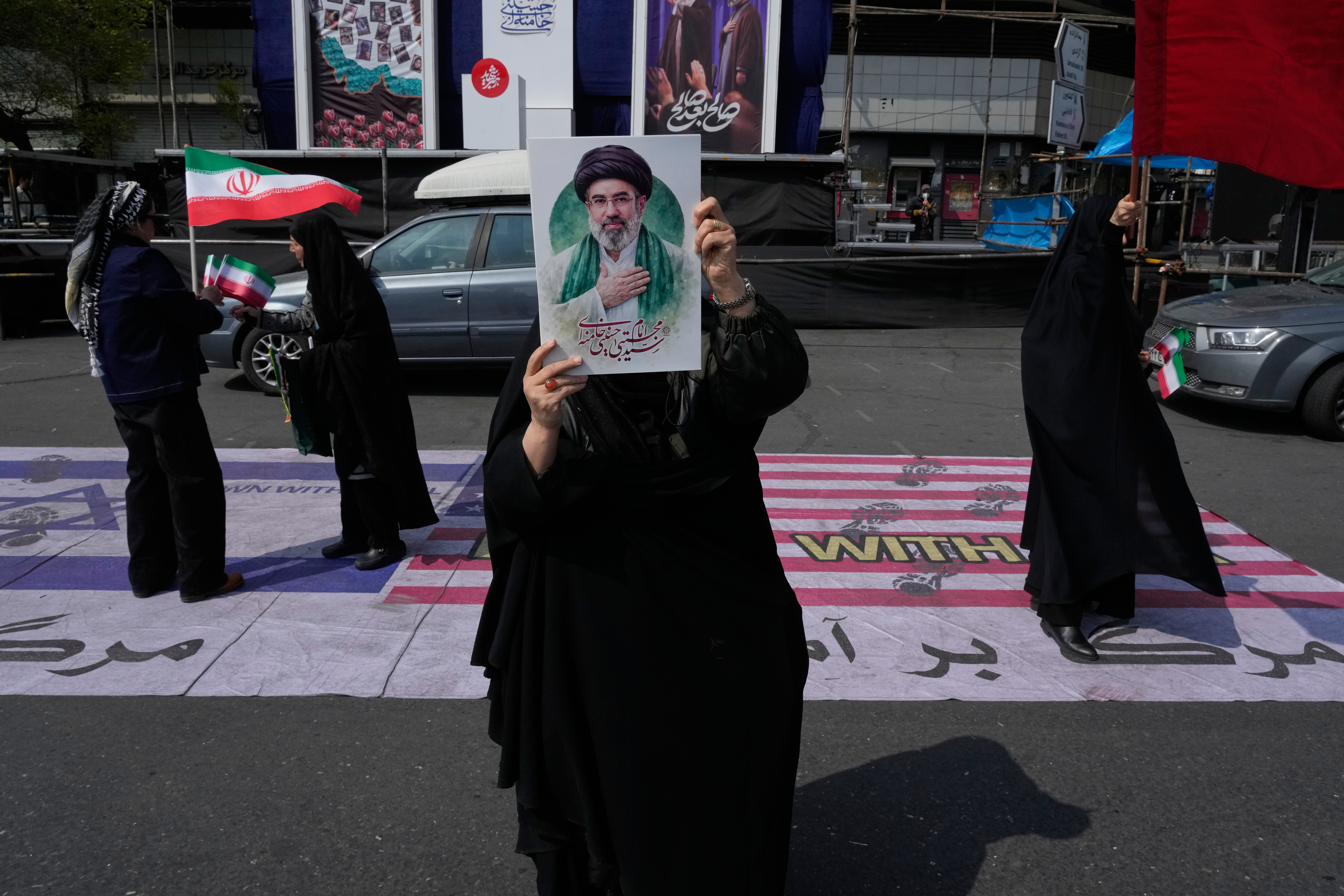
Iran’s new Supreme Leader Mojtaba Khamenei on Thursday called for the continued closure of the Strait of Hormuz, a shipping route carrying one-fifth of oil consumed globally, and pledged to open new fronts in his country’s conflict with the United States and Israel.
Iran’s permanent representative to the United Nations Amir Saeid Iravani said Thursday that “the current situation in the region, including in the Strait of Hormuz, is … the direct consequence of the destabilizing actions of the United States in launching aggression against Iran and undermining regional security.”
Israel defense chief: Stuggle against Iran in final decisive phase
Israeli Defense Minister Israel Katz said Saturday that “the global and regional struggle against Iran is escalating and we are entering the final decisive phase,” according to a statement issued by his office.
Speaking during a situation assessment with army chief Eyal Zamir and other senior officers, Katz noted that this decisive phase “will last as long as necessary.”
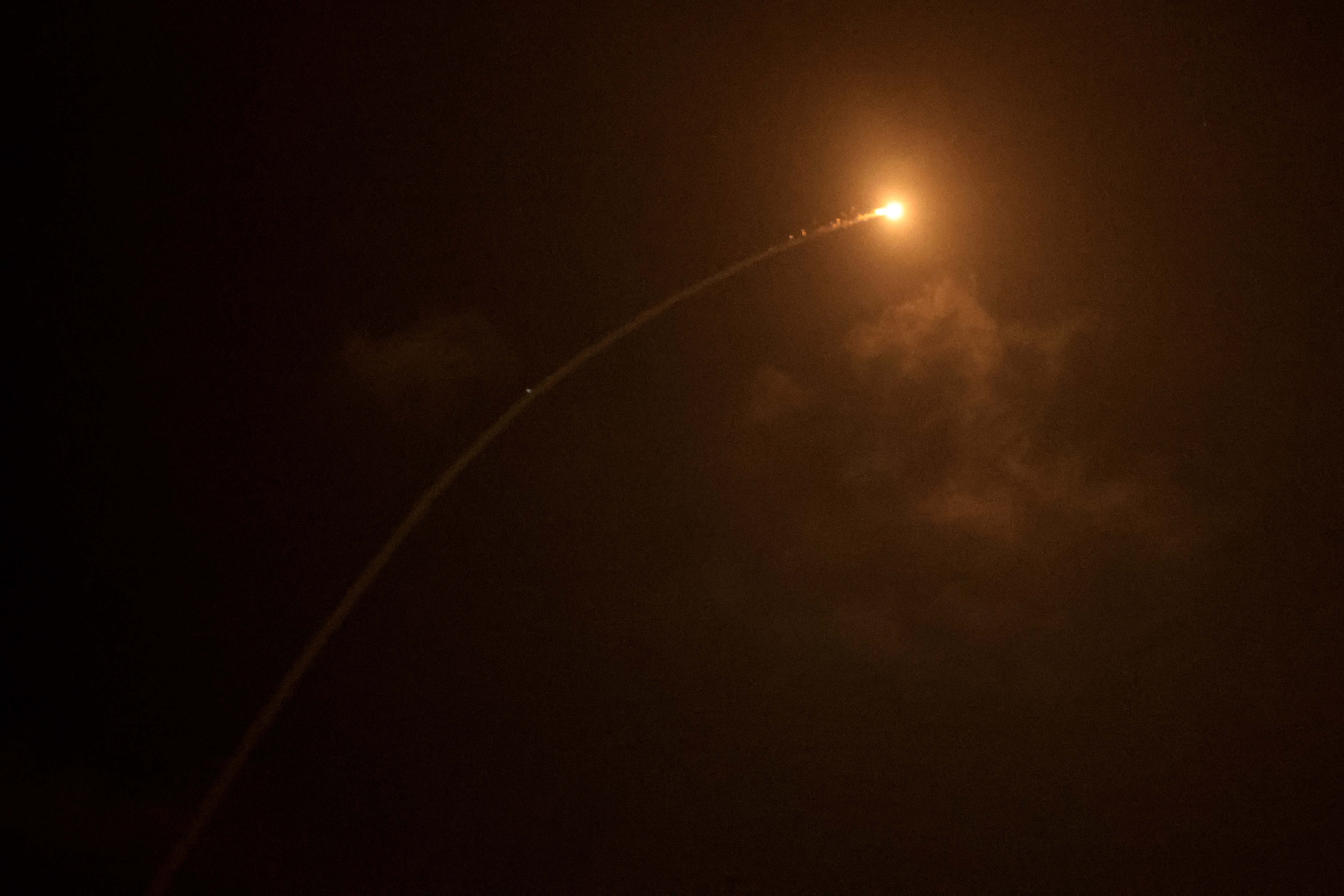
Meanwhile, air defense sirens were activated on Saturday in Israel’s southernmost Red Sea city of Eilat following missiles launched from Iran, with no reports of damage or casualties.
Fire in UAE’s Fujairah
A fire broke out in Fujairah, an emirate of the United Arab Emirates (UAE), after debris fell following the interception of an unmanned aerial vehicle by air defense systems, said authorities on Saturday.
No injuries have been reported.
Officials did not provide details on the drone’s origin, the exact location of the incident, or the extent of any damage.
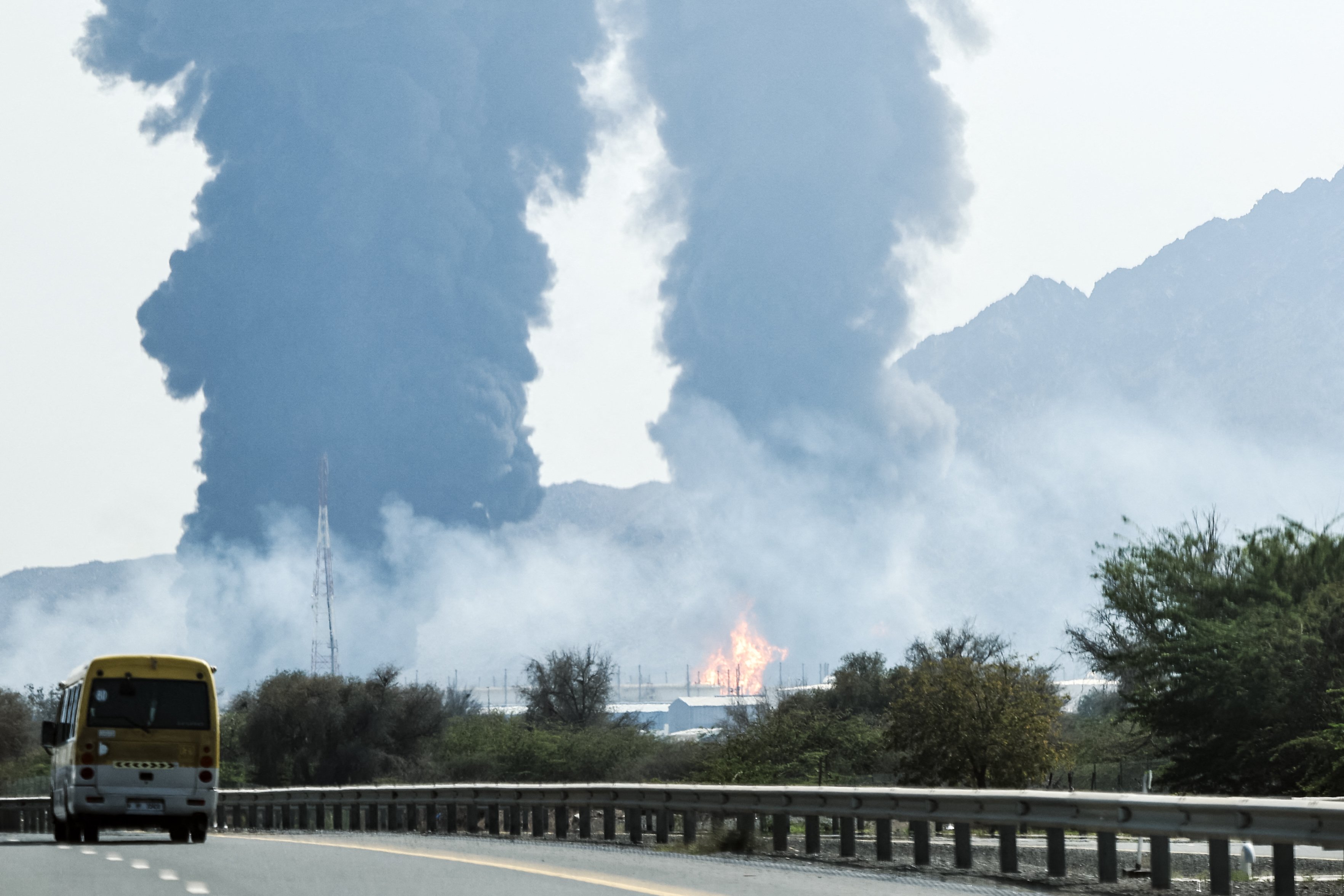
Residents were urged to remain in safe locations, follow verified government updates and stay alert, as authorities continue to closely monitor the situation.
On Feb 28, Israel and the United States launched joint attacks on Tehran and other Iranian cities, killing Iran’s Supreme Leader Ali Khamenei, senior military commanders, and more than 1,300 civilians. Iran responded with waves of missile and drone strikes targeting Israeli and US bases and assets across the Middle East.