 US dollar
 Thai baht
 Chinese yuan





Laos-China 500kV Power Transmission Project Lays Foundation for Clean Energy Hub
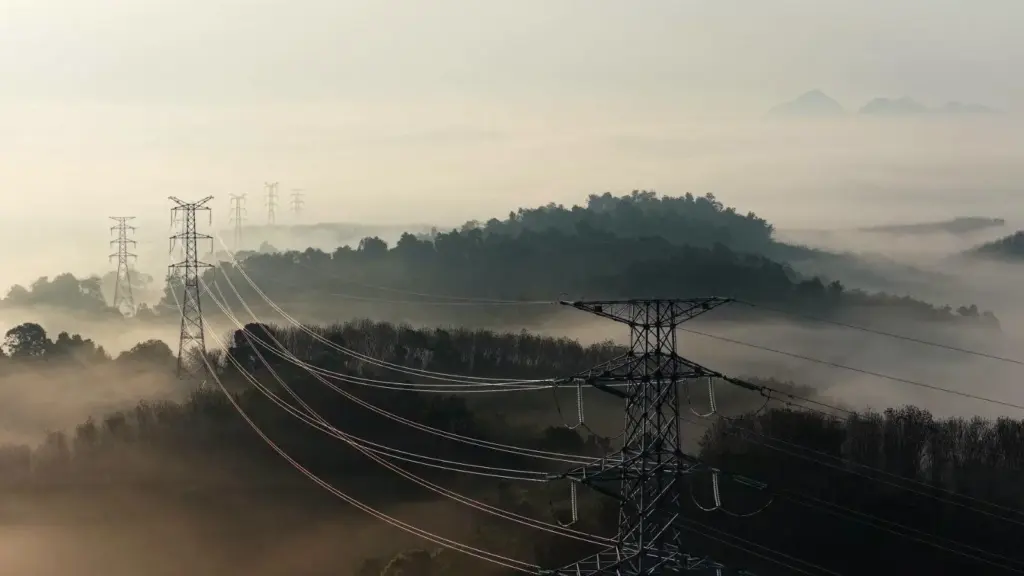
The 500kV Laos-China power transmission project serves as a strategic milestone for Laos, enhancing cross-border electricity capacity and laying the foundation for a regional clean energy hub.
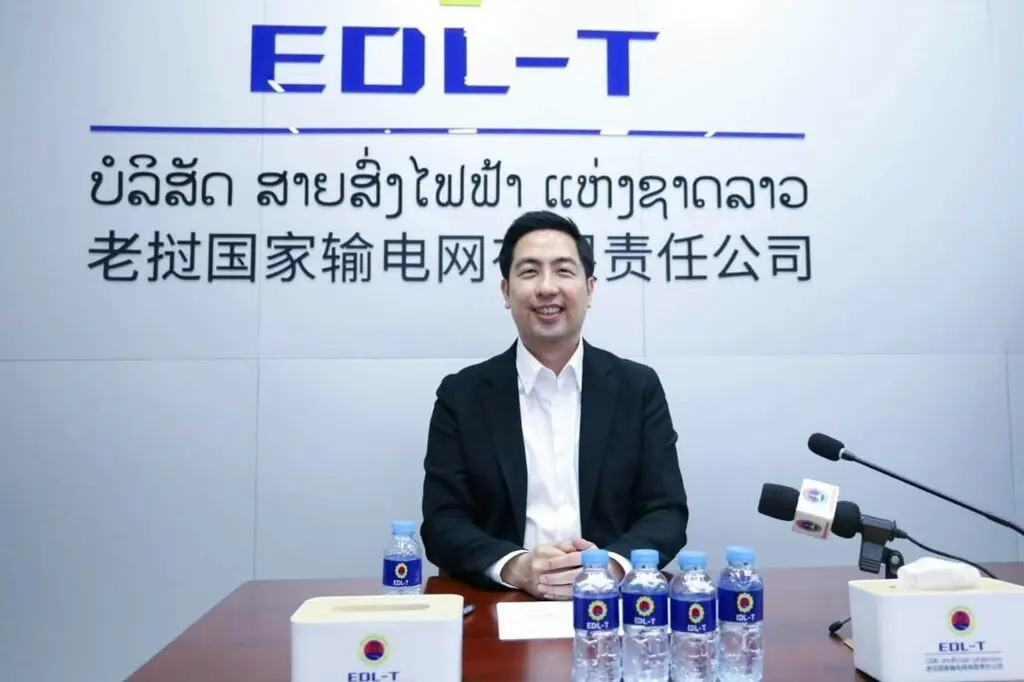
Sulivan Thamavong, Deputy Managing Director of Electricite du Laos Transmission Company Limited (EDL-T), recently told the media that the 500-kilovolt Laos-China power transmission project is a vital strategic step in developing the energy sector of the Lao PDR. It not only increases cross-border power transmission capacity, but also improves electricity supply security, generates national revenue, transfers technology, and develops personnel in the Lao PDR so they can independently manage high-voltage power grid systems.
The 500-kilovolt Laos-China power transmission project is the first backbone connection that lays the foundation for the Lao PDR to become a regional clean energy hub, transforming green clean energy into capital to generate new momentum for the national economy alongside regional sustainable growth. Previously, the Lao PDR had massive potential to generate electricity from hydropower but faced transmission system limitations, resulting in excess power during the rainy season—when generation exceeded demand with up to 800 million kilowatt-hours wasted due to a lack of export channels—while facing shortages in the dry season. The 500 kV transmission system serves as a key mechanism to resolve this issue. Starting April 20, 2026, the project increased transmission capacity from 50 MW to 1,500 MW, a 30-fold increase, and opened opportunities to export up to 3 billion kilowatt-hours of clean energy per year. A key highlight of the project is the creation of a two-way power trading system. During the rainy season, surplus electricity can be exported to generate foreign currency revenue, while in the dry season, electricity can be imported from China to help supplement domestic demand, ensuring power supply for citizens, factories, hospitals, and schools.
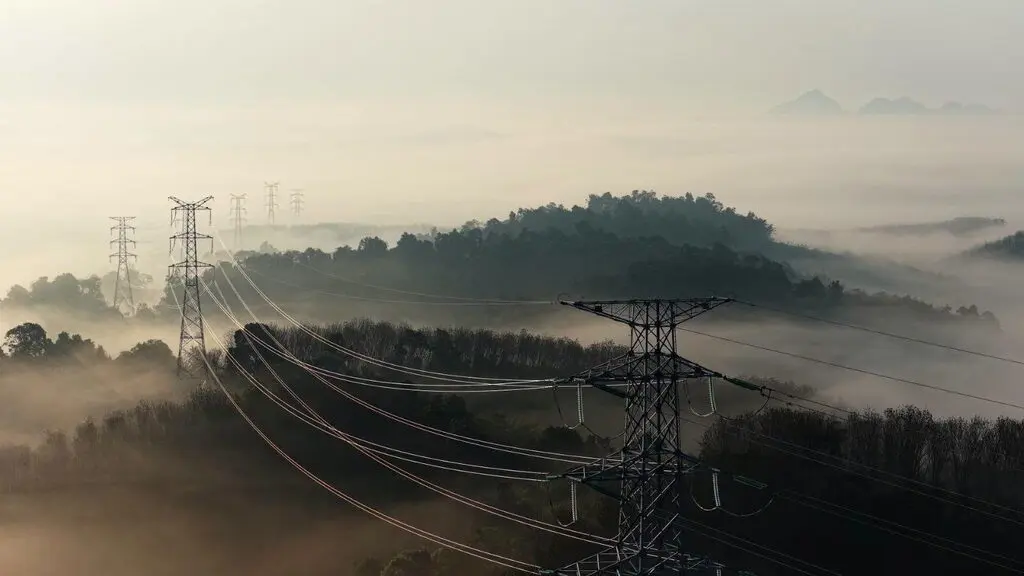
The EDL-T Deputy Managing Director also highlighted export figures and actual revenue, which include electricity from the Nam Ou 5, 6, and 7 hydropower plants—approximately 600 million kWh—transmitted directly to China’s Greater Bay Area, including Guangdong, Hong Kong, and Macau. Cross-border solar energy exports are projected to reach up to 1.1 billion kWh per year, alongside a 1,000 MW mountain-top solar farm project currently under preparation. Regarding human resource development, EDL-T has cooperated with EDL to conduct seven batches of Laos-China transmission and substation technician training courses, with 84 trainees completing the program. Additionally, training courses on administration, maintenance, and drone technology have been held more than 80 times with over 2,000 participants. The company also implemented a 2+2+2 young engineer training model involving two months of Chinese language study, two months of theory and practice, and two months of on-site fieldwork, successfully developing 171 local technical core staff. Meanwhile, between 2010 and 2026, scholarships were awarded to 81 Lao students to study in China, of whom 53 have graduated. Regarding environmental protection, the project prioritized minimizing impacts on forests and communities by adjusting transmission routes and using high-tower construction techniques to reduce tree cutting, preserving 170.4 hectares of forest and narrowing the cutting corridor width from 70 meters to approximately 22 meters. Unexploded ordnance (UXO) clearance was also conducted along the transmission route to ensure construction and local community safety. Furthermore, the project created jobs for local labor, improved schools, built reading rooms, and awarded scholarships to Lao students, reflecting the project’s social responsibility. For future directions, EDL-T will continue cooperating with relevant sectors to develop a nationwide core power grid, promote the integration of hydropower, solar, and wind energy, develop power trading systems with regional countries, and build higher-skilled Lao engineering personnel.
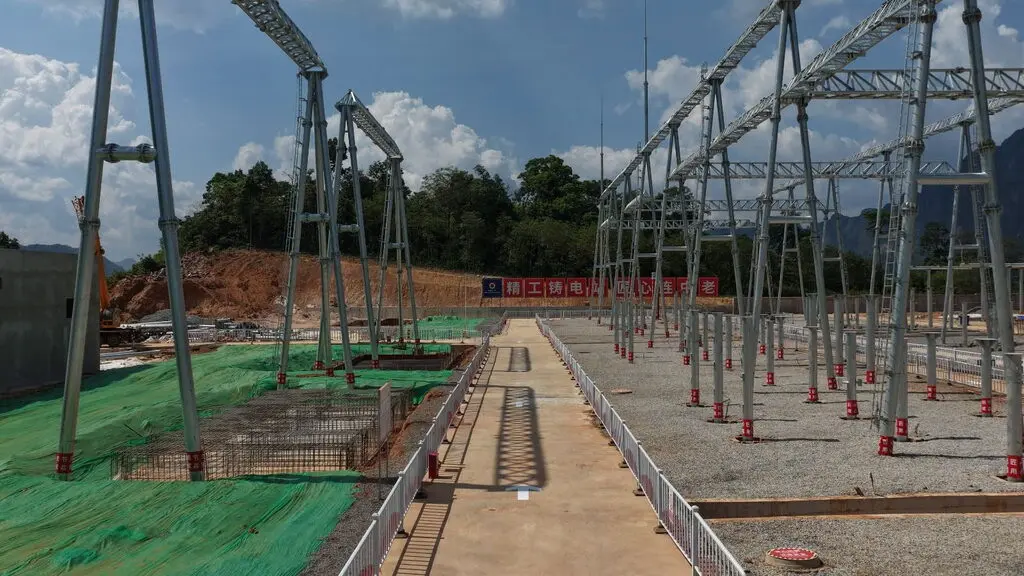
The Deputy Managing Director also confirmed that the 500 kV Laos-China power project is not merely a cross-border power transmission project, but a vital foundation for building energy security, generating economic value, upgrading the skills of Lao people, and promoting sustainable Laos-China cooperation. This project serves as a bridge for energy, technology, knowledge, and development opportunities between Laos and China to advance toward a secure and sustainable energy future.

(Source: EDL-T)

More from Economy & Society
All Economy & Society Economy & SocietyLaos Announces Fuel Price Reductions Across All Types3 days ago355 views
 Economy & SocietySavannakhet Holds 2nd Ordinary Session of Provincial People’s Assembly4 days ago9 views

 Economy & SocietyOfficial Opening of the 2026 That Luang Festival in Vientiane4 days ago11 views
 Economy & SocietyFamily and MCS Mining Donate 4.5 Billion Kip for Khammouane School4 days ago11 views