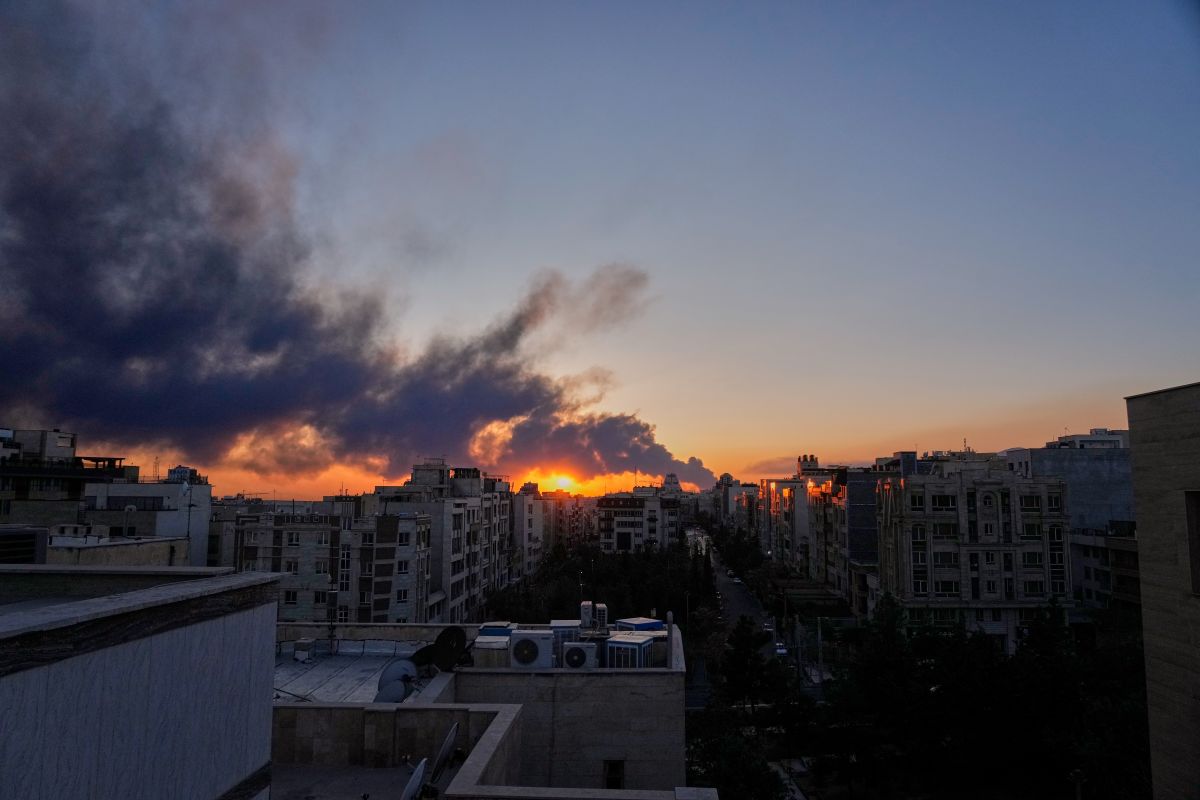


HONG KONG – The ongoing has sent shockwaves across the Asia-Pacific, triggering economic uncertainty, energy security alarms and urgent diplomatic calls for an immediate end to military operations from governments and regional blocs across the region.
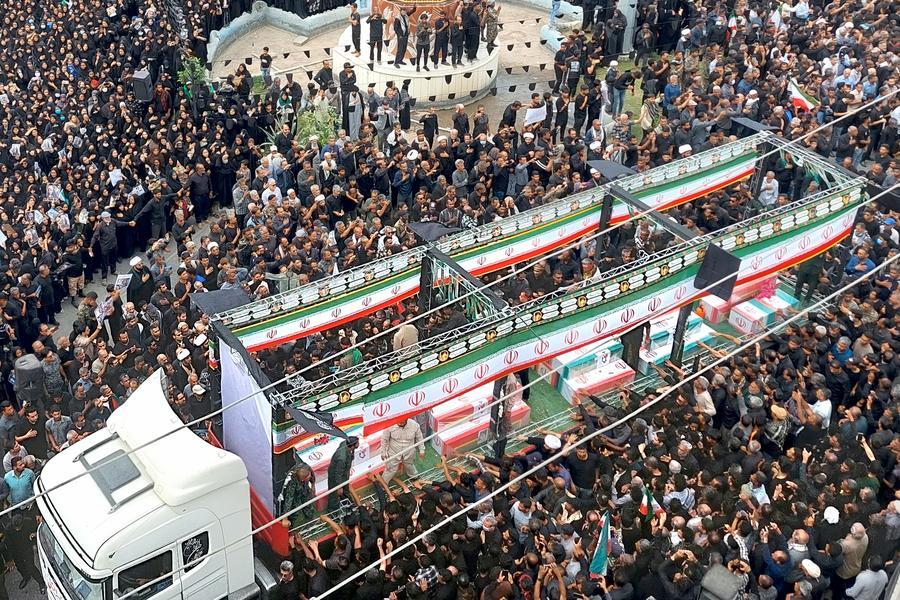
What began with a US-Israeli military strike on on Feb 28 and Tehran’s counterstrike has evolved into a regional conflict that is testing the resilience of Asia-Pacific economies, many of which rely heavily on Middle Eastern energy supplies and trade links to the region.
Julia Roknifard, a senior lecturer at Taylor’s University in Malaysia, noted potentially negative effects on Southeast Asia in the form of trade disruptions and higher energy costs. “Even a minor increase in the price of energy could translate to increased inflation in the region. Higher energy costs are almost always tied to depressed economic performance,” she said.
Across Southeast Asia, the ripple effects are already being felt.
A survey by the Malaysia External Trade Development Corporation found that nearly 64 percent of Malaysian businesses expect to face impact from the conflict, with shipment delays, surging ocean freight and insurance costs, and sharp hikes in crude oil-linked raw material prices – particularly plastics – top of mind. More than a third of Malaysian firms sell goods to the Middle East, primarily to the United Arab Emirates (UAE) and Saudi Arabia, and many are now weighing market diversification to mitigate risks.
RELATED ARTICLES
Cambodia, another Southeast Asian nation entirely dependent on imported fuel, has seen retail oil prices jump in the past week, with officials warning of continuous potential increases in the coming weeks. The country’s key garment and agriculture sectors are bracing for higher production and logistics costs, while imported inflation threatens household budgets and investor confidence.
South Asia is also feeling the strain. Sri Lankan President Anura Kumara Dissanayake warned this week that the conflict could spill over into his country’s economy and daily life, threatening energy supplies, foreign remittances, tourism and maritime and aviation sectors.
In East Asia, South Korea, which highly relies on the Middle East for oil, has been hit with both market and energy shocks. The country’s benchmark KOSPI and KOSDAQ indexes suffered historic crashes earlier this week – plummeting 12.06 percent and 14 percent on Wednesday alone – before staging a dramatic recovery on Thursday, buoyed by signs of easing oil prices.
Australia’s central bank, however, has cautioned that it is too early to predict the full economic impact of the conflict for Australia, noting it could trigger either a supply shock that fuels inflation or adverse effects on global activity and inflation due to prolonged energy-market disruptions.
The Asia-Pacific Regulatory Center has warned that Pacific Island countries should brace for mounting economic strain as global fuel prices climb amid rising tensions in the Middle East, with small island economies particularly exposed because of their heavy reliance on imported fuel and goods.
The global economic fallout of the conflict has been underscored by the International Monetary Fund, whose managing director, Kristalina Georgieva, said in Bangkok on Thursday that the crisis is once again testing global economic resilience.
“This conflict, if it proves to be more prolonged, has obvious potential to affect global energy prices, market sentiment, growth, and inflation, placing new demands on policymakers,” she said, noting that energy security and market confidence are the foremost stakes for most of Asia.

Dealing with impact
Facing the impact, Cambodian Prime Minister Hun Manet emphasized that ASEAN must strengthen regional resilience through energy source diversification, deeper economic integration and a more robust crisis coordination mechanism.
Elsewhere in Southeast Asia, governments are taking proactive steps to shield their economies and energy supplies.
Vietnam has established a dedicated task force to monitor energy markets, ensure sufficient fuel supplies for production and public use, and propose policy solutions to emerging energy security challenges.
Laos has assured its public of stable fuel stocks and unbroken import lines, while implementing measures to prevent panic buying, including a ban on selling fuel in containers larger than five liters, and exploring alternative import sources.
The Philippines, meanwhile, says it has a 50-to-60-day oil buffer to cushion against short-term price volatility, with the government working to stagger pump price adjustments to ease consumer burdens.
The South Korean government has issued a “concern” level precautionary alert for crude oil and gas, a move to strengthen monitoring and preparedness as the nation relies heavily on Middle Eastern energy imports. Though no immediate supply disruptions have been reported, officials are closely tracking developments to enable an early response to any shipping route or market instability.
For Australia and New Zealand, the crisis has centered on the safety of their citizens in the Middle East. Australia confirmed the deployment of military assets to the region, alongside six consular crisis response teams, to assist in the repatriation of the country’s citizens in the Middle East. New Zealand is also preparing for evacuations, positioning two military aircraft and consular staff in the region and exploring charter flight options with commercial airlines.
Calls for peace
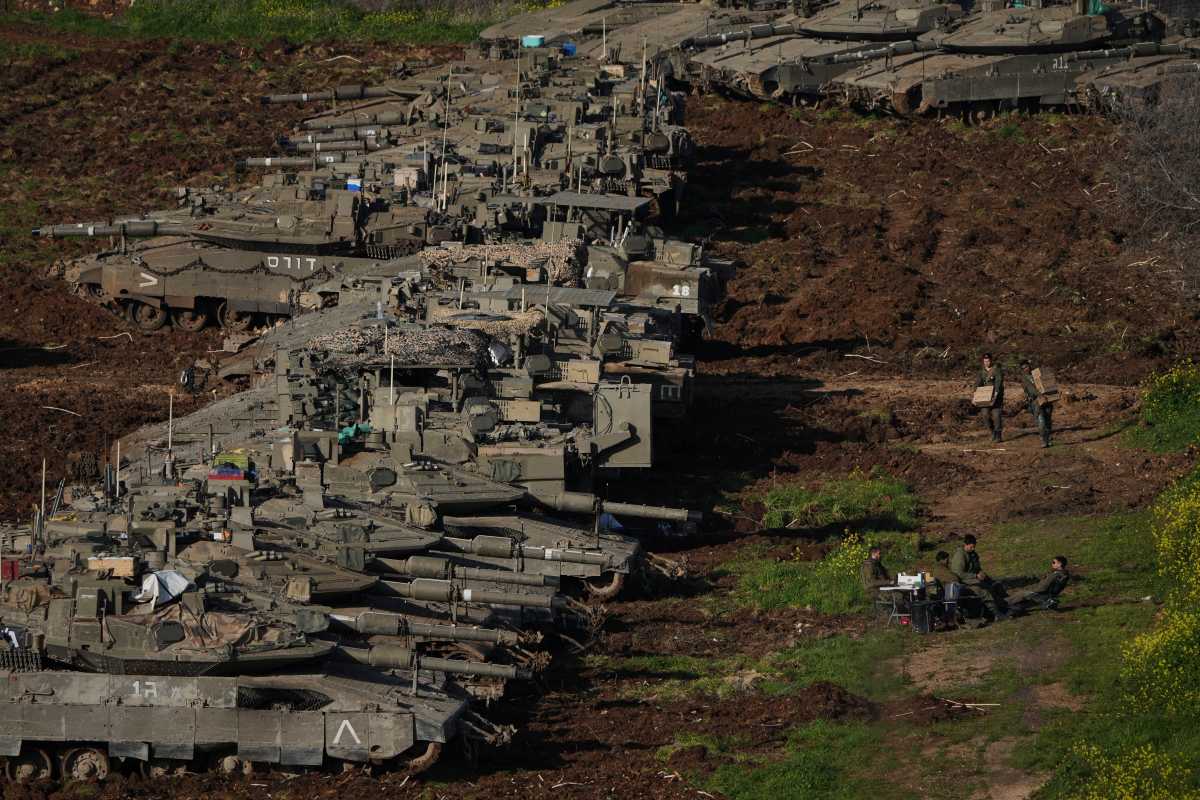
Against the backdrop of growing spillover risks, the Asia-Pacific region has united in calling for an immediate cessation of hostilities, with regional blocs, governments and key players all emphasizing that diplomacy and dialogue are the right solutions to the Middle East conflict, and opposing the arbitrary use of force in international relations.
Earlier this week, ASEAN foreign ministers issued a unanimous statement on March 4 calling for an immediate cessation of hostilities, urging all parties to respect international law and the UN Charter, and to resolve differences through diplomacy and dialogue.
Sri Lanka’s Foreign Minister Vijitha Herath has held separate phone talks with his Israeli and Iranian counterparts, securing assurances for the safety of Sri Lankan nationals in Israel and emphasizing the need for diplomacy to restore peace in the Middle East.
Amid the growing unease, China has emerged as a key voice for diplomacy, intensively reaching out to various parties to de-escalate tensions.
Chinese Foreign Minister Wang Yi has held phone talks with his counterparts from Russia, Iran, Oman, France, Israel, Saudi Arabia and the UAE, stressing adherence to the UN Charter, opposition to the arbitrary use of force, and the urgent need to stop military operations and return to dialogue. China has also announced it will send its special envoy on the Middle East issue, Zhai Jun, to the region in the coming days to push for de-escalation.
“China urges relevant parties to immediately stop military operations, avoid further escalation of the tense situation and prevent regional turmoil from causing greater damage to global economic growth,” Chinese foreign ministry spokesperson Mao Ning told a press conference on Friday.