

Shift toward diversified partners, local production signals waning trust: Experts
Canada’s push to scale back its reliance on the United States for defense procurement signals waning trust in Washington, even as Ottawa remains structurally tied to its closest ally, experts say.
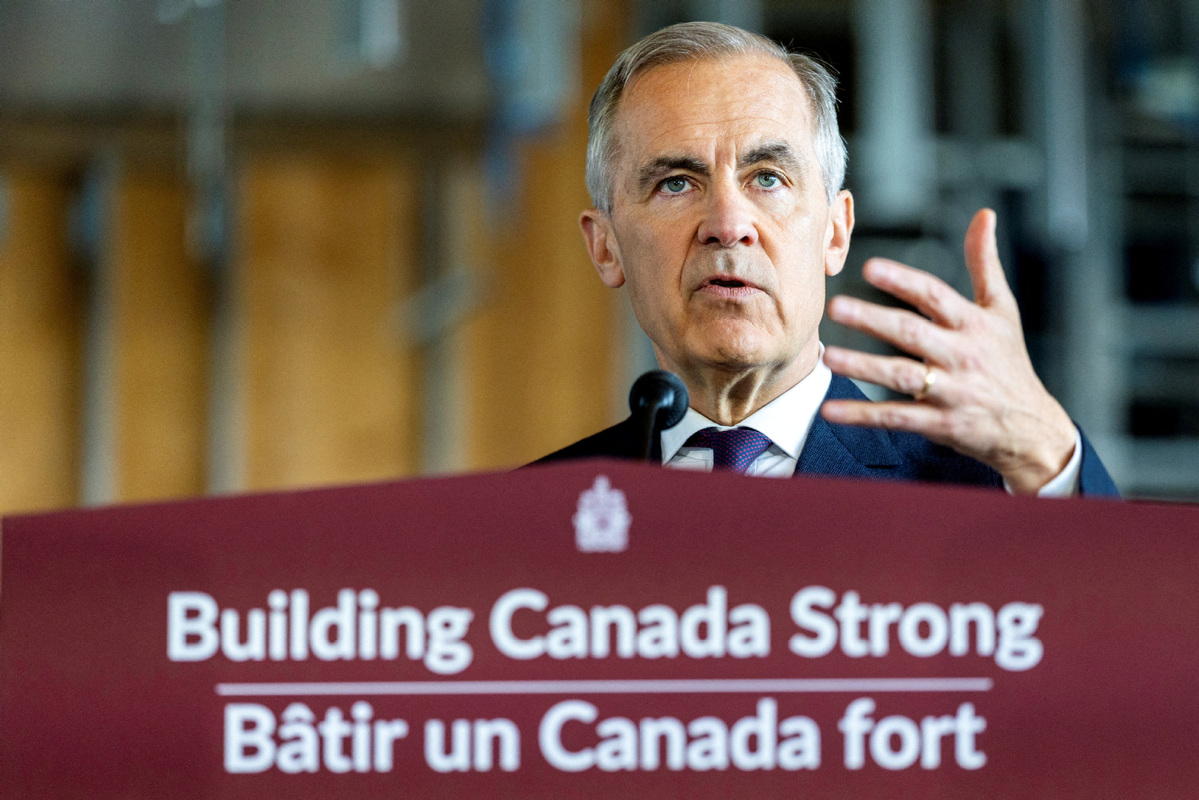
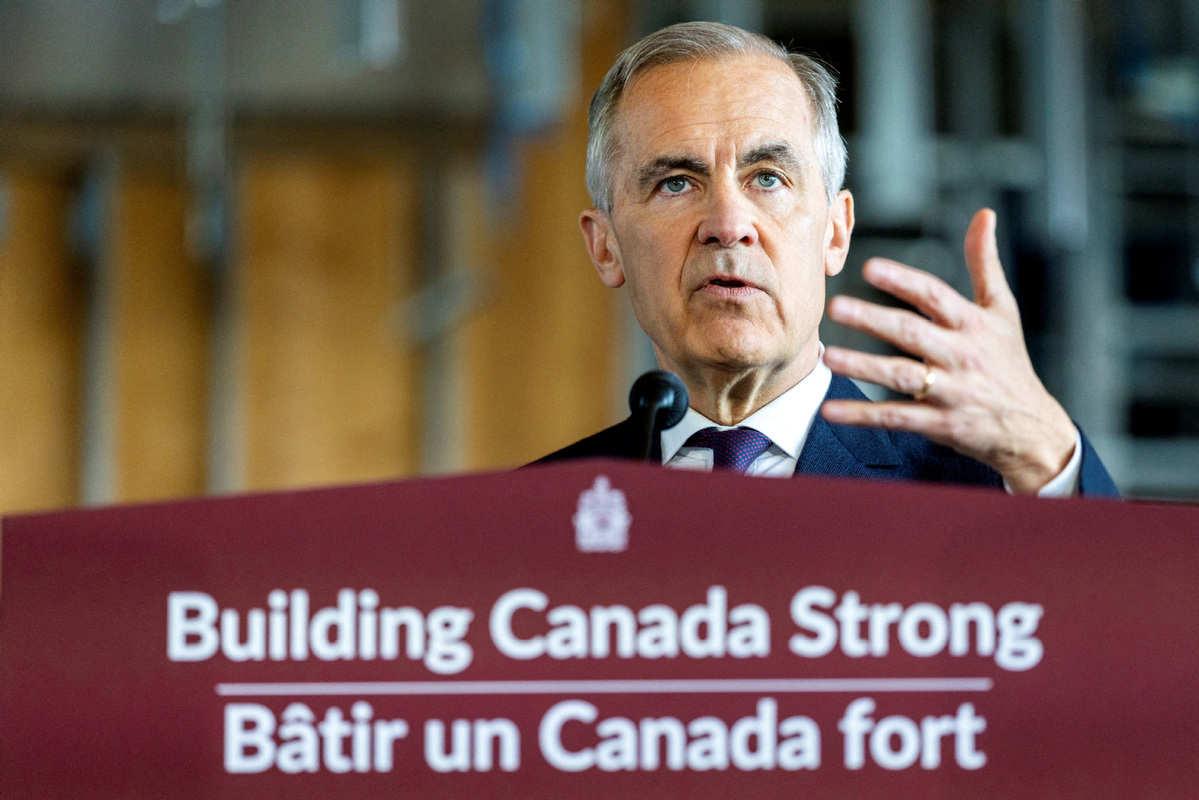
Earlier this month, Canadian Prime Minister Mark Carney told the Liberal Party’s national convention that Canada would reduce its long-standing dependence on the US in military spending and procurement, pledging to bolster the domestic industry and expand global partnerships.
“The days of our military sending 70 cents of every dollar to the United States are over,” he said.
Alistair Edgar, an associate professor of political science at Wilfrid Laurier University in Ontario, said the remarks marked a significant change “in some broader political alliance terms and also in practical military terms”.
He described the shift as part of a wider reassessment of Washington’s reliability as a partner, marking what he called “a fundamental rupture” likely to extend beyond the current US administration.
“The US can no longer be considered a reliable and trusted ally and partner,” he said.
The implications, he added, will reach beyond defense, reshaping political, economic and military ties as Canada — along with other countries — reduces its dependence on a once-trusted ally.
While Canada is seeking to diversify partnerships, Edgar said geography will continue to shape its security choices, pointing to ongoing coordination with the US in North American defense, particularly through the North American Aerospace Defense Command.
However, the nature of the relationship is already evolving, he said. “Integration will be replaced by coordination, with Canada investing independently in sovereign capabilities,” he said, adding that in some cases, Ottawa may even act to “defend” against those interests.
Carney has pledged to expand defense cooperation with Europe and other partners, but Edgar said such efforts will not fully replace the US.
Instead, he outlined a more diversified procurement strategy, including a mixed fleet of fighter jets and increased domestic production.
Canada is already strengthening its domestic defense base, with investments in small arms, munitions, drone production and cyber assets, he said.
Potential backlash
Despite these efforts, shifting away from the US will carry risks, including potential political and economic backlash, Edgar said, adding that an “angry” response from Washington could include tariffs.
Even so, he said such risks reinforce the rationale for diversification. “In the end, that is more of a reason to take these necessary measures.”
Edgar also linked the policy shift to broader concerns among US allies about Washington’s approach to international relations. Countries including Canada and European partners increasingly view the system as shaped by bullying, transactional and untrustworthy behavior, he said.
Erika Simpson, an associate professor of international relations at Western University in Ontario, said Canada’s plan to reduce its longstanding reliance on the US in defense procurement reflects a cautious strategic adjustment rather than a decisive break.
The shift is both strategic and symbolic — addressing concerns about overdependence on a single partner while signaling a desire to assert greater sovereignty in defense procurement, Simpson said.
Meanwhile, the shift should not be overstated, she said. “This should be understood as recalibration rather than rupture.”
Canada remains deeply embedded in US-led defense structures, she added. “Any shift will necessarily be gradual.”
Structural constraints will make any meaningful reduction in reliance on the US a long-term process, Simpson said. The shift could also carry operational risks if not carefully managed.
She framed the policy direction as a hedging strategy.
“Canada is maintaining its core alliance with the United States while cautiously expanding its range of partners,” she said, calling it a pragmatic approach that enhances flexibility and resilience.
Contact the writers at gaoyang@chinadailyusa.com