 US dollar
 Thai baht
 Chinese yuan





India to test all bottled water brands after Bisleri sample fails safety check
India's food safety authority plans to test bottled water from all brands nationwide after a sample from major brand Bisleri failed safety standards.
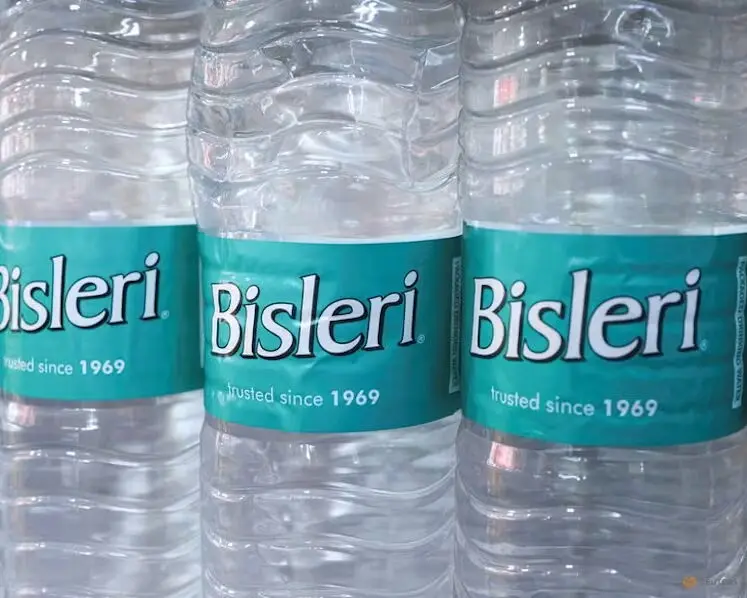
India’s food safety authority is preparing to test all bottled water brands nationwide after finding that a sample from major drinking water brand Bisleri failed safety criteria and contained substances potentially harmful to health.
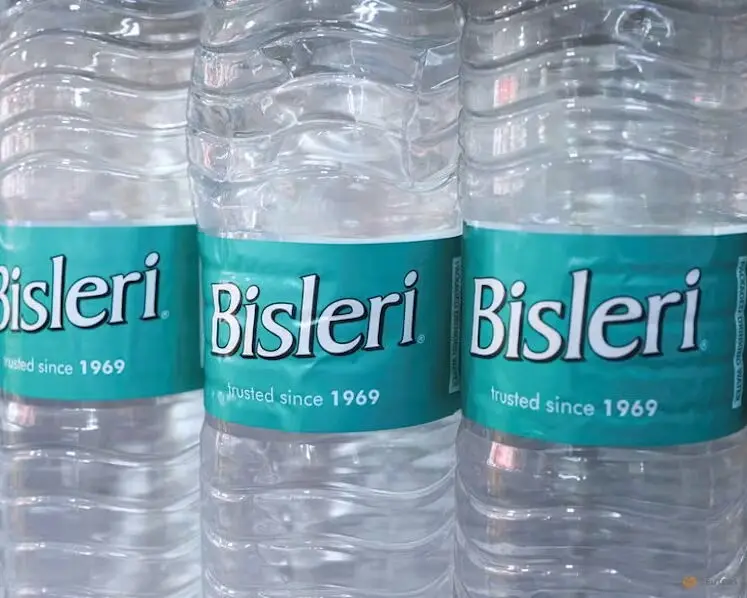
India’s food safety regulator found a bottled water sample from Bisleri International unsafe for consumption, dealing a blow to the reputation of the country’s largest and best-known water brand, while government sources revealed authorities are preparing to test water samples from all companies nationwide.
Sources stated that the Food Safety and Standards Authority of India (FSSAI) plans to conduct further tests on Bisleri water samples from across the country, including products from other companies, after safety issues were found in the water sample.
Bisleri competes in India’s bottled water market with PepsiCo’s Aquafina and Coca-Cola’s Kinley. India’s bottled water market was valued at approximately 3.6 billion US dollars in 2025, according to data from Persistence Market Research.

Bisleri released a statement saying that drinking water safety is the company’s top priority and that it maintains strict quality control measures, while confirming it will cooperate with the regulatory agency.
Bisleri is a water brand launched in India in 1965 that became widely recognized by consumers. Due to water quality issues in many areas, people and tourists often choose to buy bottled drinking water at home and in restaurants.


Another government source revealed that the water batch related to the problematic sample has already been recalled, and test results for subsequent product batches showed no water quality issues.
The FSSAI stated in a social media post on Sunday, November 22, that water samples collected from Bisleri’s facilities failed to meet the set criteria for bromate, a chemical that can form as a byproduct of certain disinfection processes.
However, after Bisleri appealed the test results, the regulatory body maintained that the sample was unsafe but additionally reported finding polynuclear aromatic hydrocarbons (PAHs) instead.
PAHs are a group of chemicals of concern for public health due to their toxic properties, ability to cause mutations, and cancer risks, according to research published last year in the PubMed database of the US National Library of Medicine.
As for bromate, high intake can lead to kidney problems and hearing loss, according to the New York State Department of Health, though reported cases of such effects involved exposure levels thousands of times higher than drinking water standards.
Bisleri explained that a water sample collected from a plant in Goa last year contained 12 micrograms per litre of bromate, exceeding the standard limit of 10 micrograms per litre, but additional tests from an independent laboratory arranged by the company found the substance within standard levels.

India’s food safety regulator has tightened inspections and action against major brand products this year, having previously taken legal action against Nestle in September after finding baby food product samples failed to meet standards.
Source: channelnewsasia
More from World
All World WorldChina Sets 2030 Targets to Tackle Aging and Low Birth Rates2 h ago8 views
 WorldSeven-year-old boy rescued from rubble after 14 hours in Ukraine2 h ago7 views

 WorldPrime Minister Attends 49th ASEAN Summit and Related Meetings4 h ago4 views
 WorldThai Police Raid Major Counterfeit Cough Syrup Ring Across Four Provinces5 h ago9 views