 US dollar
 Thai baht
 Chinese yuan






Laos Forestry Department Tightens Long-Tailed Macaque Export Controls
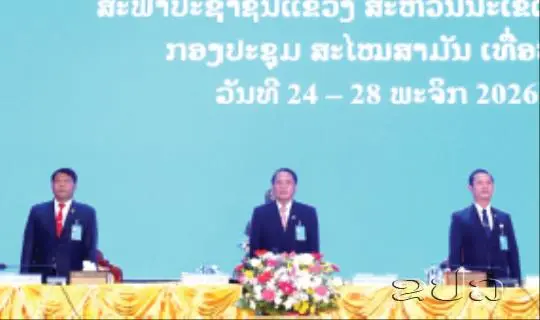
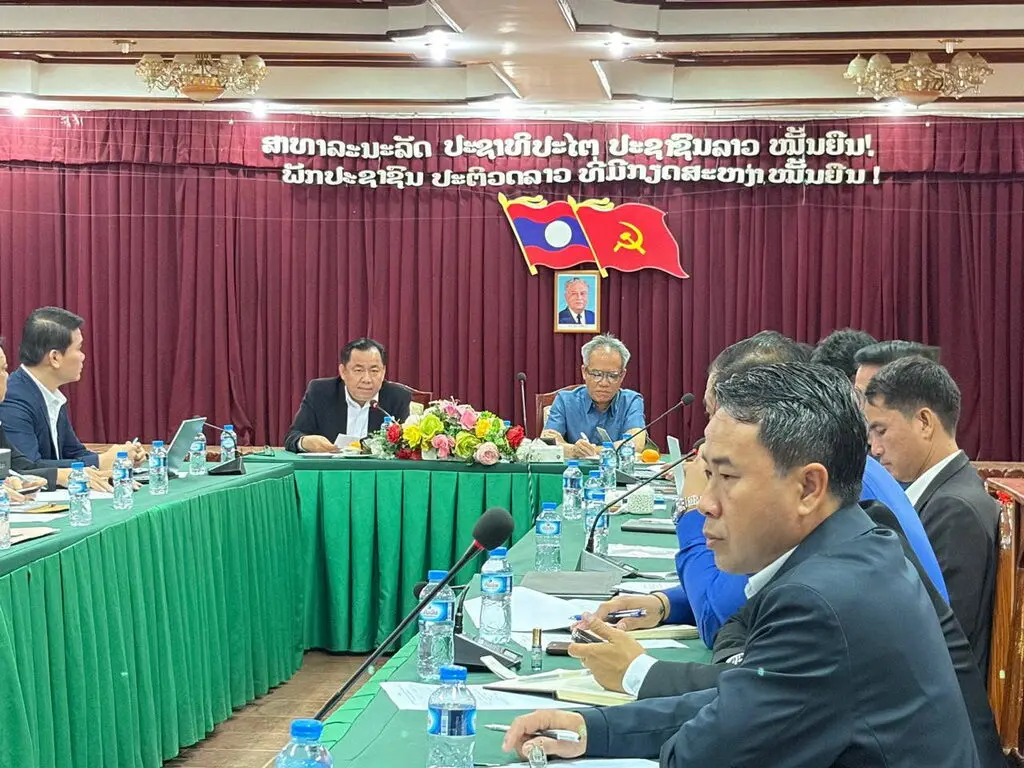
The Department of Forestry held a consultation meeting to prepare business operators for the new long-tailed macaque export tracking system after CITES lifted its trade suspension recommendation against Laos.
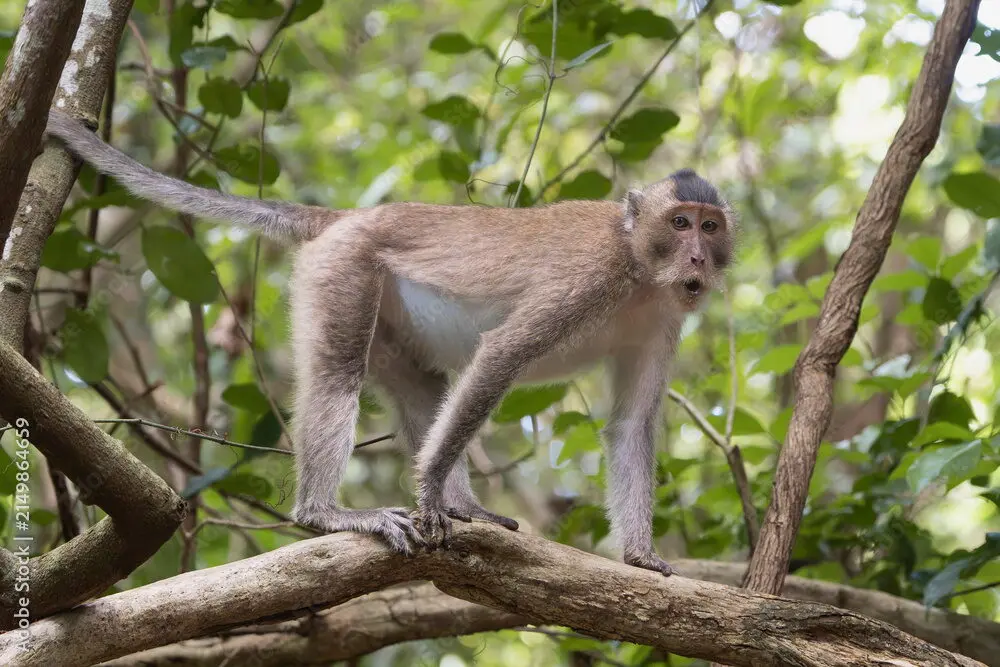
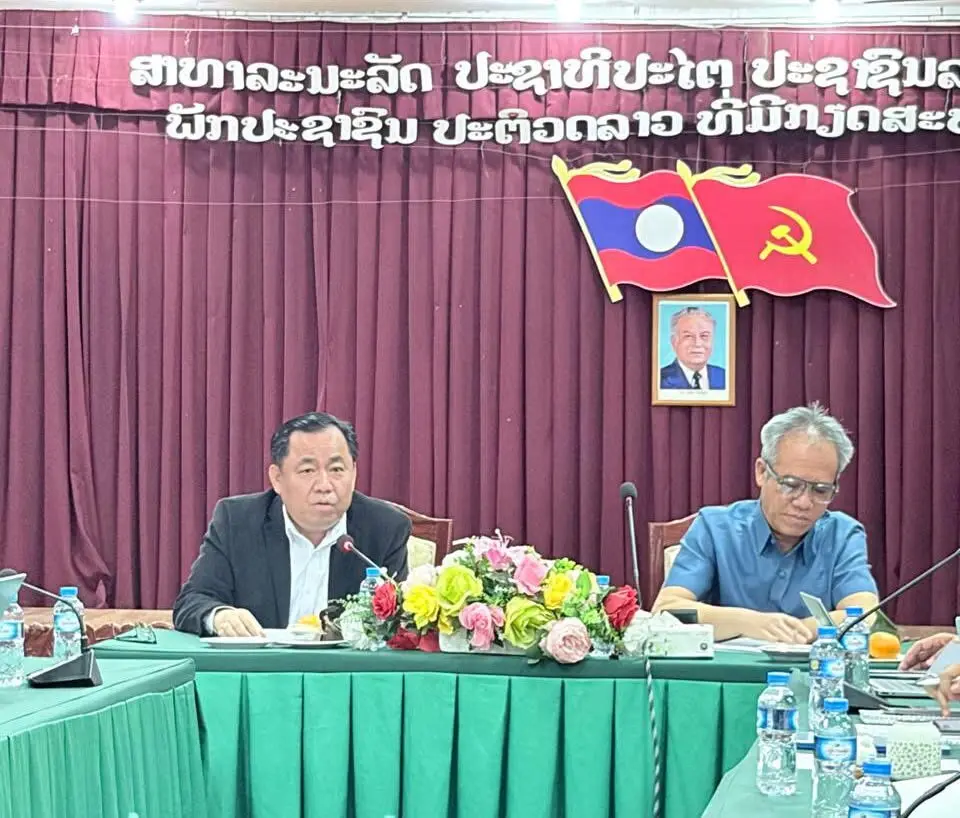
The Department of Forestry, Ministry of Agriculture and Environment, held a consultation meeting to prepare business operators for the use of the export tracking system for long-tailed macaques (Macaca fascicularis) in compliance with CITES Secretariat recommendations, after CITES agreed to withdraw its recommendation to suspend wildlife trade with Lao PDR.
Participation of Relevant Parties
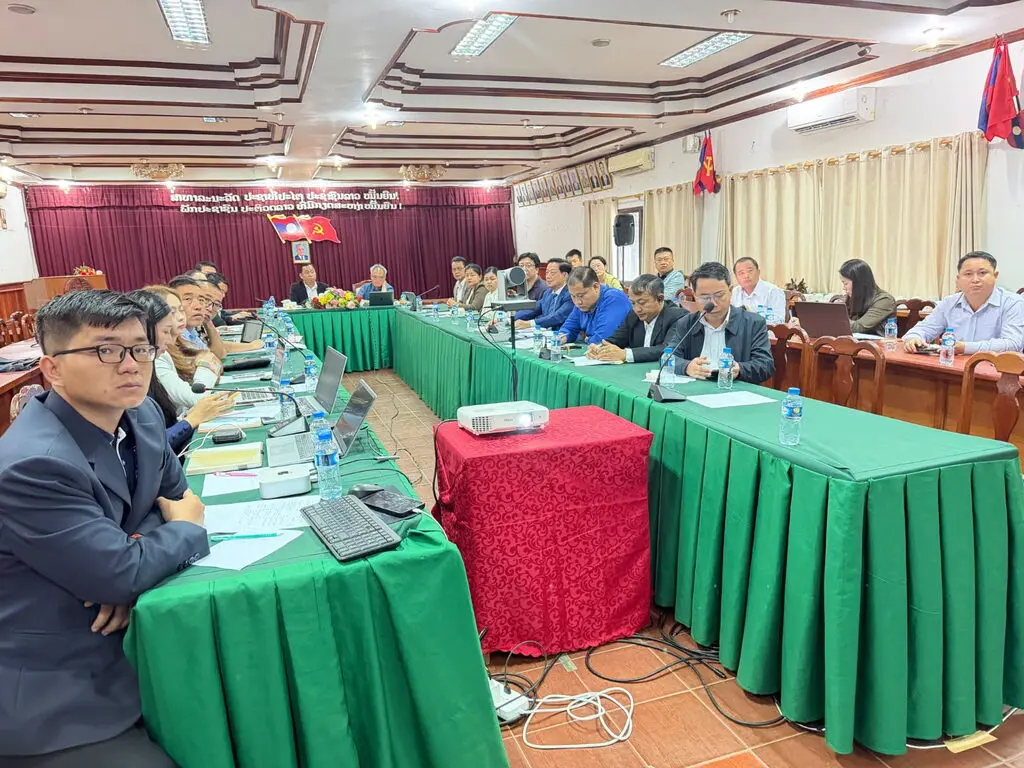
The meeting was held last week at the main meeting room of the Department of Forestry, co-chaired by Assoc. Prof. Dr. Somvang Phimmavong, Director General of the Department of Forestry and Head of the CITES Management Authority of Lao PDR (CITES-MA), and Prof. Dr. Sithong Thongmanivong, Dean of the Faculty of Forestry Science and Head of the CITES Scientific Authority of Lao PDR (CITES-SA). In addition, representatives from the National University of Laos, experts from the People’s Republic of China, LIT SOLUTION company, and representatives from three registered farms (Vannasang, Soukvannasang, and Aser) also attended.
3 Main Objectives and Modern Tracking System
The meeting focused on three important objectives to standardize the management of macaque breeding farms:
- Build correct understanding regarding requirements and technical manuals for exporting long-tailed macaques.
- Use modern tracking mechanisms linking the individual identification number of each macaque from its source, parentage history, birth, health, and movement to export documents.
- Connect databases between farm accounts, actual macaque numbers, and government databases to enable traceability at every step down to the destination.
Strictness on Source and Protection of Wild Wildlife
At the end, the chairs emphasized that all parties must ensure legal sources by strictly prohibiting the introduction of macaques captured from the wild, seized macaques, offspring of such macaques, or macaques whose origin cannot be verified into the group for commercial export.

At the same time, the determination of annual export quotas for all three farms must be based on thoroughly verified data, reserving sufficient breeding stock and replacement macaques, alongside animal health and welfare care, to ensure that exports from Lao PDR are transparent and comply with international obligations.
Source: CITES Division, Department of Forestry / Office of the Ministry of Agriculture and Environment

More from Local News
All Local News Local NewsBokeo Police Raid Scam Dens, Arrest 80 Foreigners and Seize Phones1 h ago6 views
 Local NewsLaos Gathers Data to Promote Inclusive Education for Students with Disabilities2 h ago5 views

 Local NewsLaos and Thailand Review Labour and Employment Cooperation3 h ago9 views
 Local NewsGovernment reviews November achievements and sets December priorities4 h ago9 views