 US dollar
 Thai baht
 Chinese yuan








Global Food Crisis Worsens as Three Key Trade Routes Blocked
The United Nations World Food Programme warns that ongoing conflicts are disrupting three major global trade routes, driving up costs for food, fuel, and fertilizer and worsening global hunger.
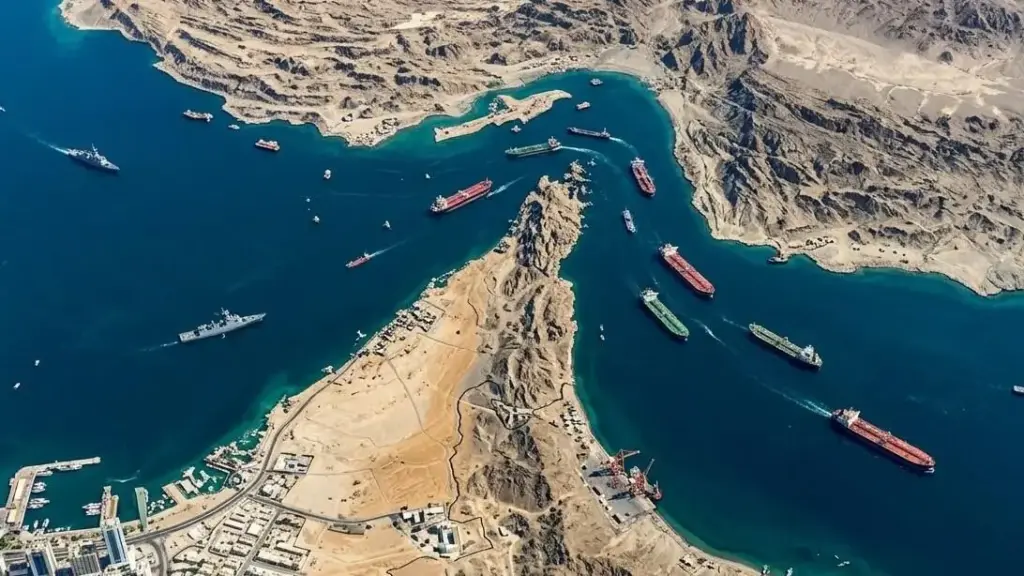
The United Nations World Food Programme (WFP) has warned that fighting and conflicts in multiple regions are impacting three major global maritime trade routes, including the Strait of Hormuz, the Bab el-Mandeb Strait, and the Black Sea. The disruption of these routes is increasing costs and causing delays in the transport of food, fuel, and agricultural fertilizers, which may compound the crisis of hunger and food insecurity in many countries worldwide.
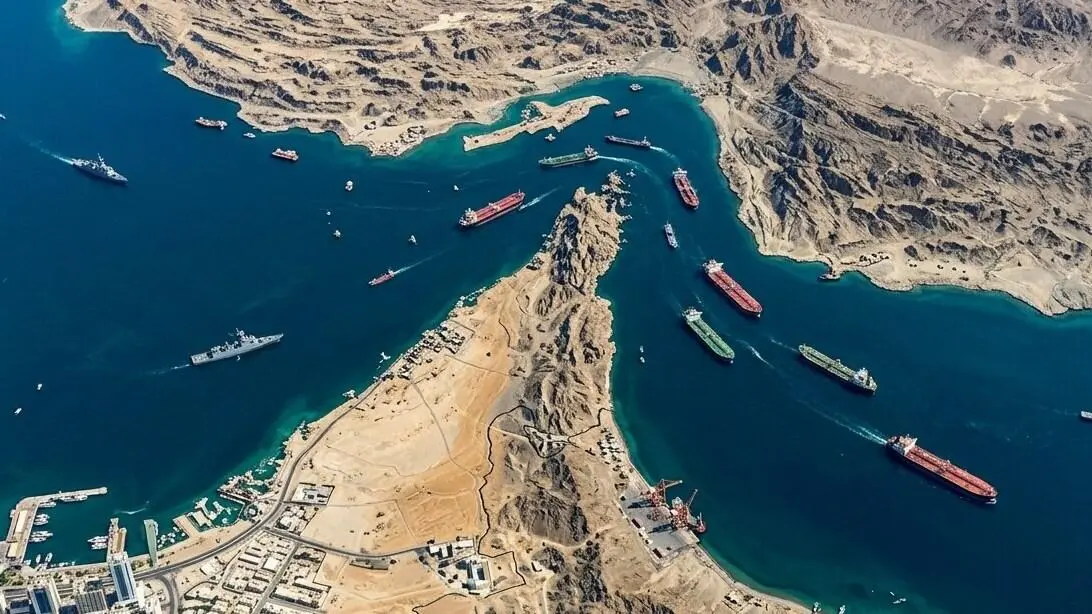
The three trade routes facing impacts include:
- Strait of Hormuz: A critical global route for the transport of oil and agricultural fertilizers, with approximately 30 percent of the world’s fertilizers passing through this route.
- Bab el-Mandeb: A vital route connecting the Red Sea and the Suez Canal, serving as a trade connection between Asia and Europe.
- Black Sea: An essential grain export route for Russia and Ukraine, playing a major role in supplying food to many countries.
The United Nations World Food Programme, or WFP, warned recently that three key trade routes—the Strait of Hormuz, the Mandeb Strait, and the Black Sea—are continuously being blocked, driving up global food, energy, and transportation costs and worsening the food security crisis. Currently, about 266,000,000 people worldwide are facing severe food shortages.
Meanwhile, the transport of wheat and corn cargo ships through the Bosphorus Strait dropped by 63 percent in mid-October 2026 compared to the same period of the previous year.

This situation not only affects food prices in the global market but may also impact agricultural production and the livelihoods of people in many countries, especially those dependent on food imports.
The disruption of transport routes not only affects current food prices but may also impact future agricultural production, as higher prices for fertilizers and fuel lead to increased costs for farming and food transport.


The WFP has therefore called on various countries to urgently take measures to open humanitarian transport routes and ensure that food can reach people experiencing hunger.
Furthermore, this situation remains an issue that must be monitored because if the conflicts are prolonged, they could further compound the food crisis and hunger in many countries around the world.
Source: (WFP)
More from World
All World WorldIranian Singer Parastoo Ahmadi Flogged for Performing Without Hijab2 h ago8 views
 World55 Percent of Americans Back Immediate Iran War End Regardless of Terms3 h ago9 views

 WorldChina Successfully Launches Shenzhou-24 with Three Astronauts to Tiangong Space Station5 h ago9 views
 WorldThai Police Rescue Two Kidnapped Chinese Women in Pattaya7 h ago17 views