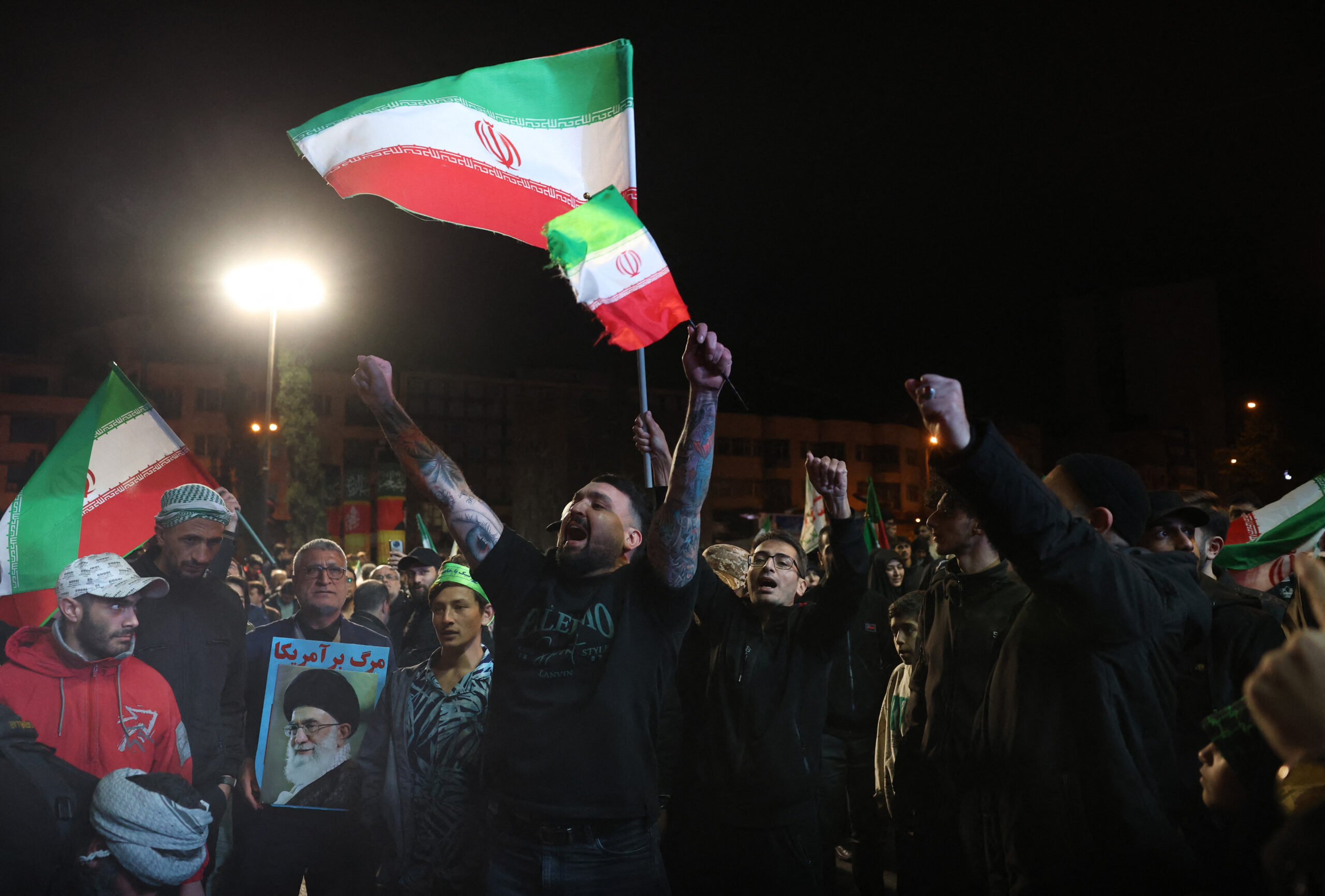


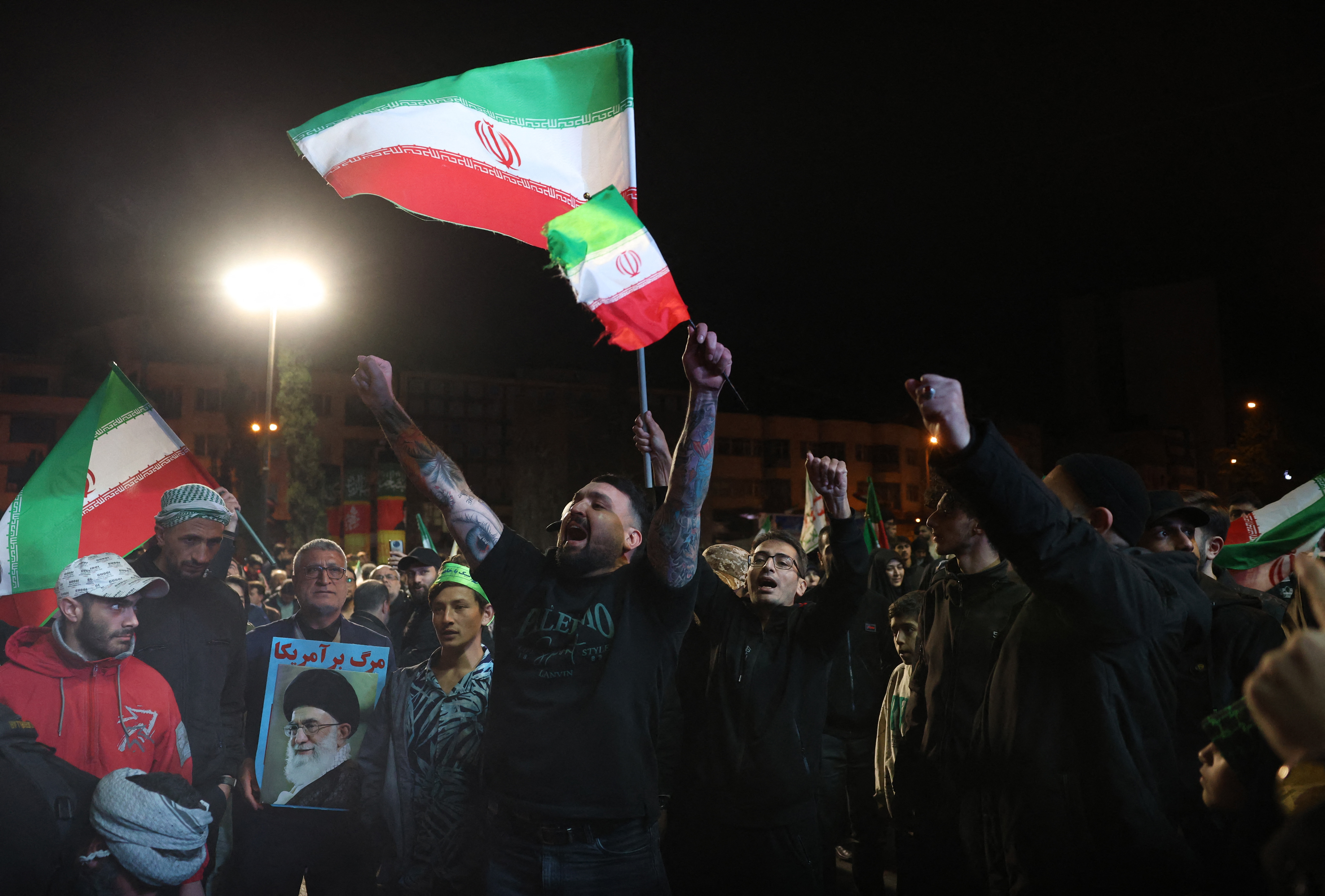
The world welcomed a last-minute breakthrough for peace on Wednesday as the United States and Iran agreed to a two-week ceasefire barely an hour before US President Donald Trump’s deadline to devastate the Islamic republic expired, with Tehran set to temporarily reopen the vital Strait of Hormuz.
After more than a month of blistering attacks by the US and Israel that erupted on Feb 28, Iran said it had agreed to talks with Washington to start on Friday in Pakistan aimed at ending the conflict entirely.
“Subject to the Islamic Republic of Iran agreeing to the complete, immediate, and safe opening of the Strait of Hormuz, I agree to suspend the bombing and attack of Iran for a period of two weeks,” Trump wrote on his Truth Social platform, after talking to Pakistani leaders.
The news pushed down crude prices, with West Texas Intermediate losing almost 20 percent and Brent as much as 16 percent as investors heaved a huge sigh of relief after more than five weeks of war that has disrupted global oil supplies.
The euphoria sent global equities rocketing on hopes the crisis that has shocked the global economy for more than a month will come to an end.
Hong Kong advanced nearly three percent, while Sydney, Shanghai, Bangkok, Manila, Jakarta, Singapore and Wellington were also sharply higher. Middle East stocks also rallied, with Dubai jumping 8.5 percent, the biggest intraday increase since December 2014, according to Bloomberg data.
The European Union’s top diplomat Kaja Kallas on Wednesday welcomed the two-week ceasefire as a “step back from the brink” creating a “much-needed” window for diplomacy.
Iranian Foreign Minister Abbas Araghchi confirmed safe passage for all shipping through Hormuz for the two-week duration.
“If attacks against Iran are halted, our powerful armed forces will cease their defensive operations,” Araghchi said in a statement on behalf of Iran’s Supreme National Security Council.
But Iran later clarified in a statement accompanying the 10-point list that the plan demands continued Iranian control over the Strait of Hormuz, international acceptance of its nuclear enrichment activities, full lifting of all primary and secondary sanctions, withdrawal of US forces from the region, a $2 million transit fee per ship for Hormuz and sharing the revenue with Oman.
Pakistan, which maintains close ties with both Trump and neighboring Iran, has stepped forward as mediator. Prime Minister Shehbaz Sharif said on Wednesday that the US, Iran and their allies had agreed to a comprehensive ceasefire “everywhere”, including Lebanon, following Pakistani mediation to end weeks of fighting.
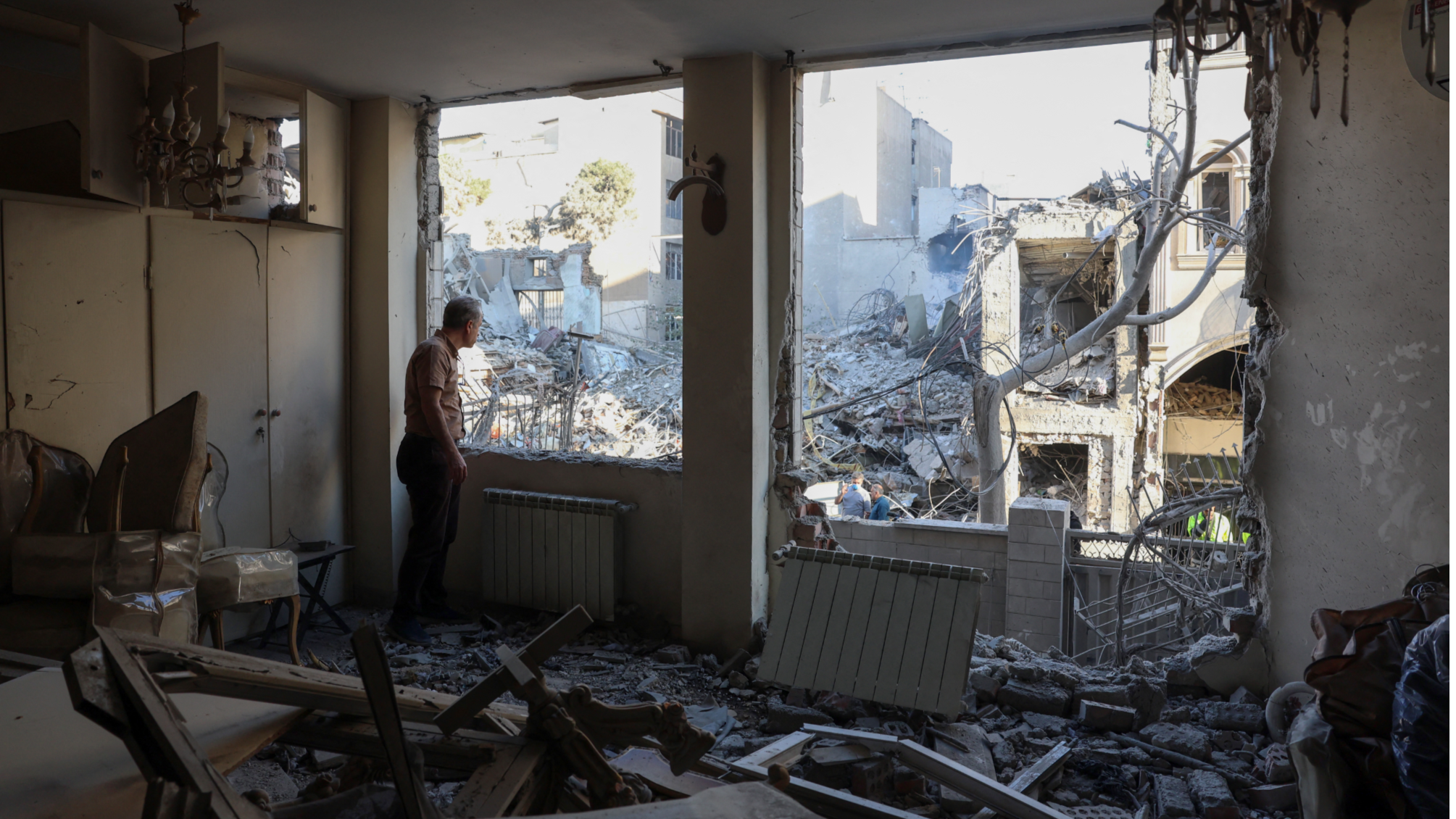
Trump said the US was “very far along” in negotiating a long-term deal with Iran, which has submitted a 10-point plan he called “a workable basis for negotiation”.
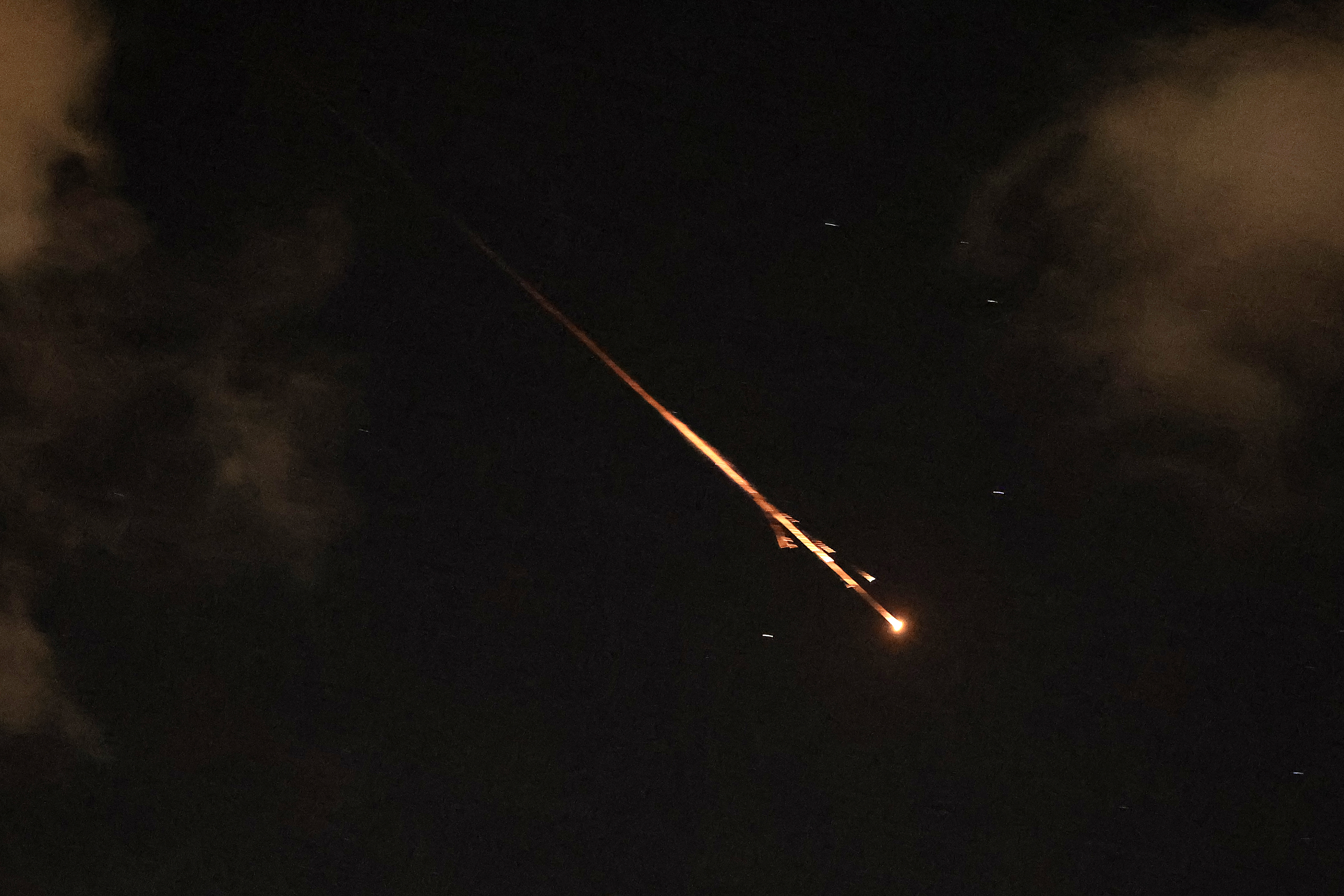
Even as the ceasefire was announced, missile alerts persisted early Wednesday across the UAE, Israel, Saudi Arabia, Bahrain and Kuwait, underscoring the fragility of the diplomatic breakthrough. A gas processing facility in Abu Dhabi caught fire following incoming Iranian fire, officials confirmed.
Israel has also accepted the ceasefire terms, a White House official said. But Prime Minister Benjamin Netanyahu said on Wednesday it won’t stop his country’s fight against Hezbollah in Lebanon, which continued through the morning. That contradicted comments from Pakistan, a key mediator, which said the ceasefire included the fighting in Lebanon.
It’s not clear what will happen when the two weeks of the ceasefire ends. There’s little public sign that Iran and the US had resolved disagreements over the fate of Iran’s nuclear program, its ballistic missiles or its regional proxies — among the issues that the US and Israel cited as justifications for launching the war.
Trump had set a deadline for Iran to open Hormuz by 8 pm Washington time on Tuesday, or 3:30 am Tehran time on Wednesday, threatening to destroy all power plants and bridges across the nation of 90 million people.
In response, Iranian President Masoud Pezeshkian said 14 million Iranians, including himself, had volunteered to sacrifice their lives in the war. Civilians also formed human chains at key bridges and power plants nationwide.
Contact the writer at