

Fragile ceasefire shadowed by deep rifts on terms, Israel’s attacks in Lebanon
Negotiators from the United States and Iran prepared on Friday for high-level talks, scheduled to kick off on Saturday in Pakistan with the aim of steadying the fragile two-week ceasefire — which is teetering amid Israel’s refusal to halt its operations in Lebanon — and to resolve the deep rifts separating Tehran and Washington over truce terms.
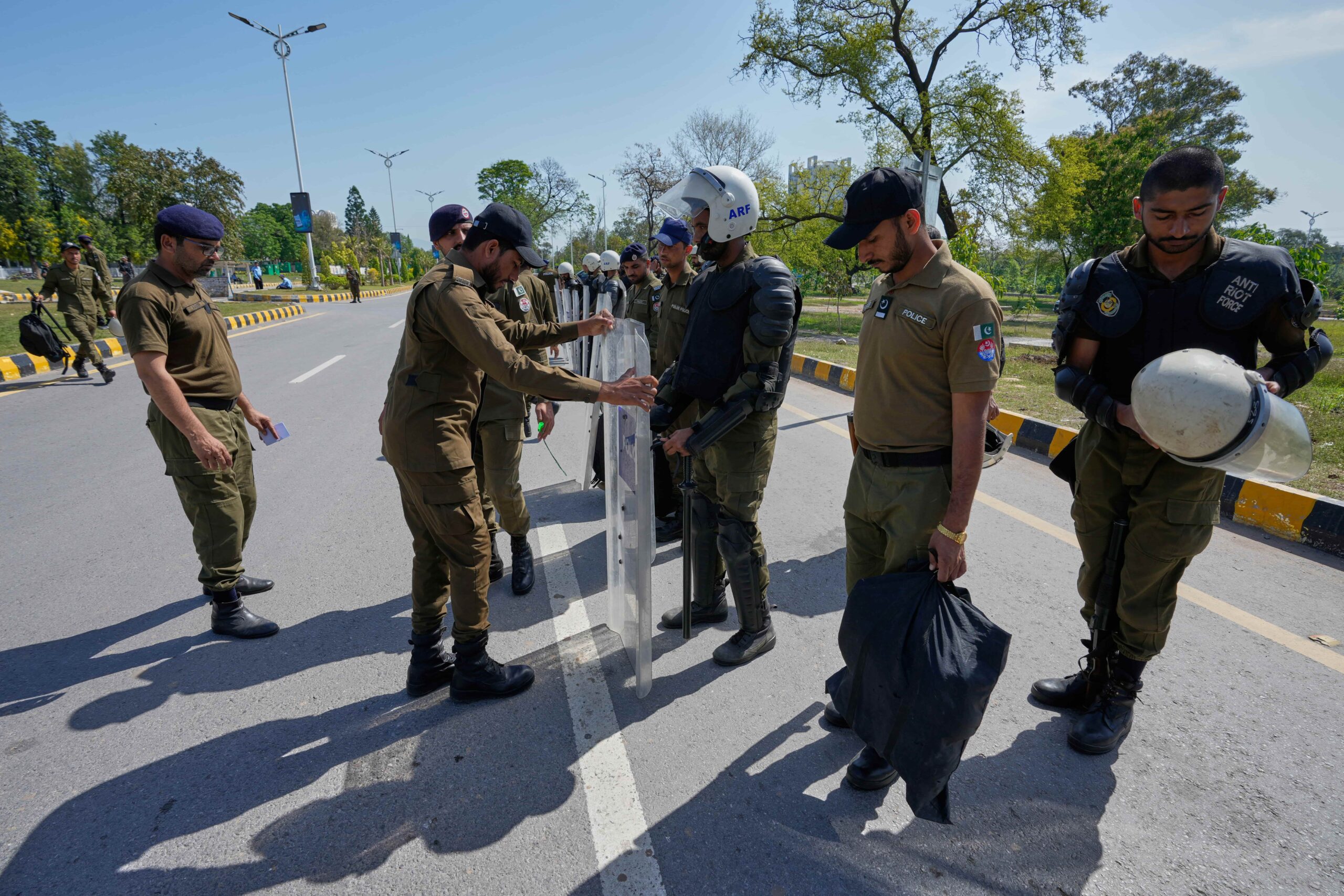
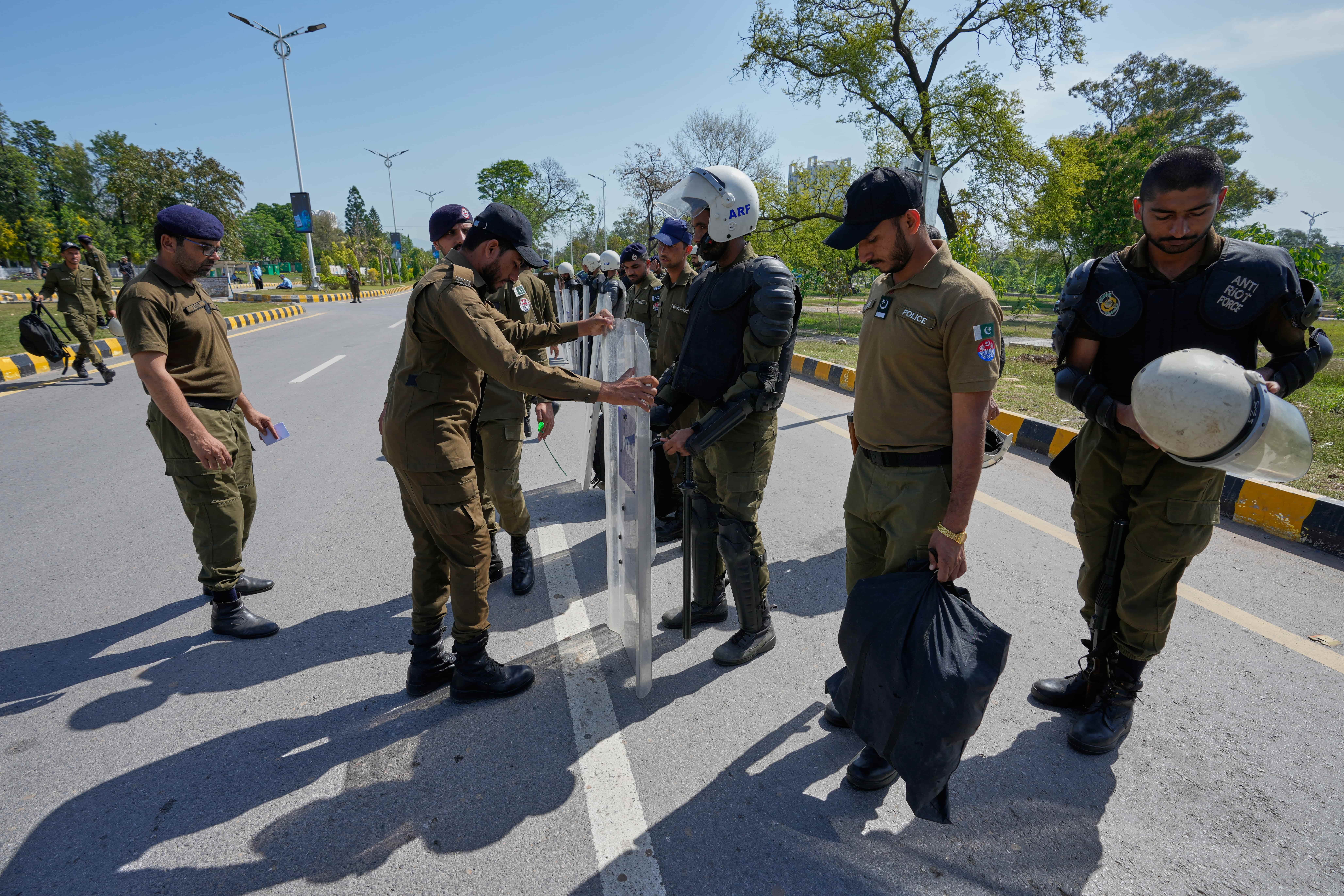
The talks could last up to 15 days and will address several sensitive points, including Iran’s nuclear enrichment and the free flow of trade through the strategically important Strait of Hormuz. But even as security is being ramped up in Islamabad for the talks, Iran has signaled that its participation will hinge on a halt to Israeli attacks on Lebanon.
US Vice-President JD Vance is set to lead the US delegation, with Iran remaining tight-lipped about its team as officials said Israel’s strikes on Lebanon have rendered the Pakistan talks “meaningless”.
“The holding of talks to end the war is dependent on the US adhering to its ceasefire commitments on all fronts, especially in Lebanon,” said Esmaeil Baqaei, Iran’s foreign ministry spokesman.
Late on Thursday, US President Donald Trump appeared to cast doubt over the effectiveness of the truce, writing on social media: “Iran is doing a very poor job, dishonorable some would say, of allowing oil to pass through the Strait of Hormuz. That is not the agreement we have!”
Highlighting Iran’s control of the strait, a Botswana-flagged liquefied natural gas tanker attempted to travel out of the Persian Gulf via a route designated by the Revolutionary Guard, but it suddenly turned around and headed back on Friday, ship-tracking data showed.
Iran’s Supreme Leader Mojtaba Khamenei said on Thursday that Iran will move the management of the strait into a new phase, with the Iranian people having achieved a “decisive victory” in the war, as they mark the 40th day since the death of former supreme leader Ali Khamenei — who was killed in US-Israeli strikes at the start of the conflict.
The strait’s de facto closure has caused oil prices to skyrocket — affecting the cost of gasoline, food and other basics far beyond the Middle East. The spot price of Brent crude, the international standard, was around $96 on Friday, up about 35 percent since the war began.
Kristalina Georgieva, managing director of the International Monetary Fund, warned on Thursday that the Iran war is darkening the outlook for the world economy — whether or not the fragile ceasefire holds.
“Had it not been for this shock, we would have been upgrading global growth,” she said in remarks ahead of next week’s IMF-World Bank spring meetings. “But now, even our most hopeful scenario involves a growth downgrade.”
Meanwhile, Iran’s parliament speaker, Mohammad Bagher Qalibaf — a possible negotiator if the meeting with Vance goes ahead in Islamabad — warned on Thursday that continued Israeli attacks on Hezbollah in Lebanon would bring “explicit costs and strong responses”.
On Wednesday, Israel’s heaviest strikes on Lebanon since Feb 28 killed more than 300 people, rattling the uneasy truce between Washington and Tehran. Early on Friday morning, Israel’s military said it struck 10 more rocket launchers in Lebanon.
Meanwhile, Kuwait said it faced a drone attack on Thursday night that it blamed on Iran. But Iran’s paramilitary Revolutionary Guard denied launching any assault in the region.
In addition to the Pakistan talks, Israel-Lebanon negotiations are also expected to begin next week in Washington — a potential boost to Middle East ceasefire efforts — according to a US State Department official.
However, Abid Abou Shhadeh, a political analyst and activist based in Jaffa, Israel, said the ceasefire negotiations between the US and Iran are “extremely problematic” for Israel.
Notably, he said Israel is not “interested in any form of diplomacy or negotiations with Lebanon”, citing recent polls published in Israeli media showing that 79 percent of the public supports continuing military operations against Hezbollah in Lebanon, Al Jazeera reported.
Contact the writer at