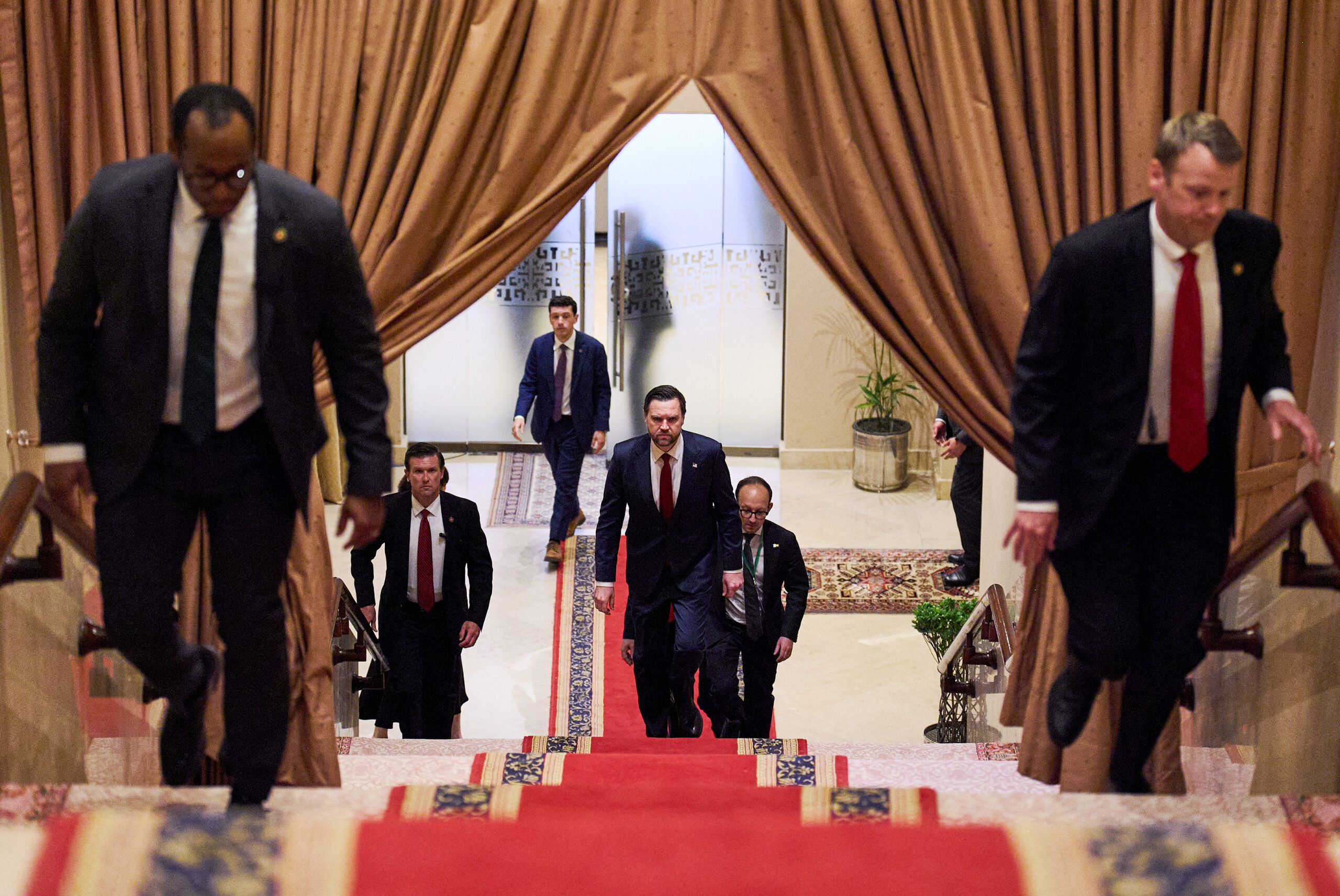


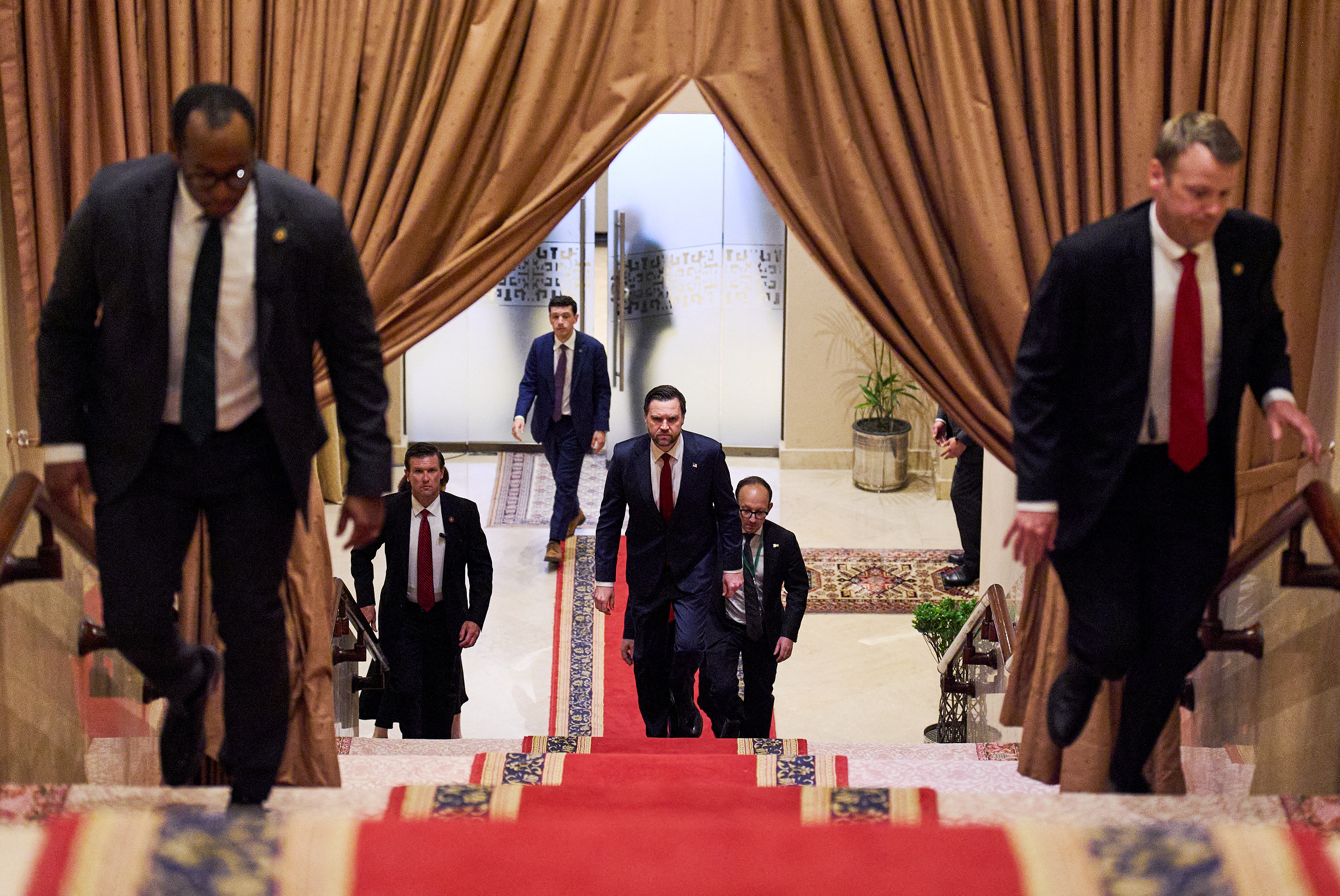
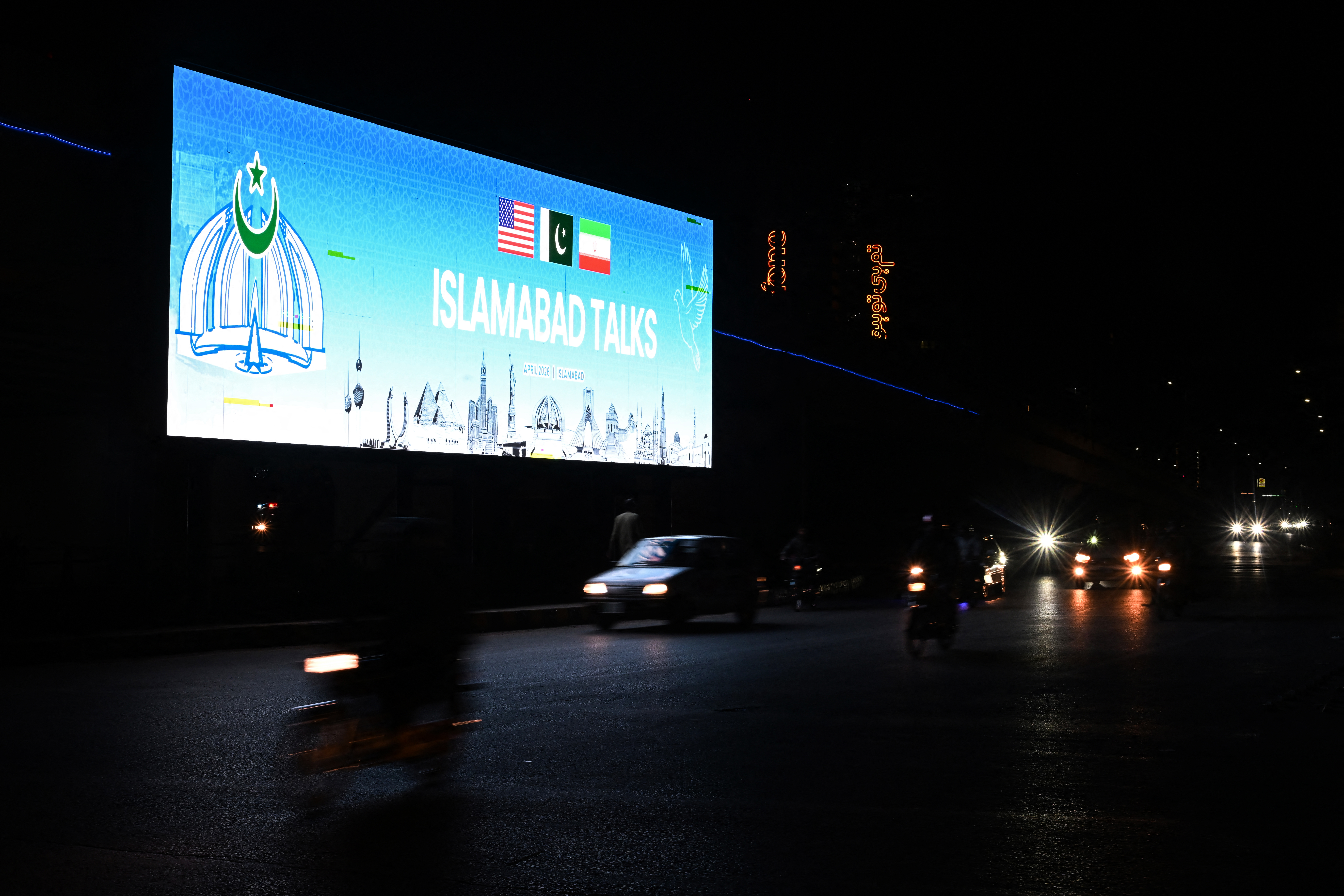
ISLAMABAD/TEHRAN/NEW YORK – No agreement was reached between the United States and Iran in the latest round of talks held in Islamabad, US Vice-President JD Vance said here on Sunday, as negotiations concluded without a breakthrough despite intensive engagement.
Vance said the US side had presented its “final and best offer” after nearly a day of continuous communication, adding that a number of substantive discussions were conducted in “good faith,” but the proposal had yet to secure acceptance.
He said Iran’s nuclear enrichment facilities have been “destroyed,” shifting the focus of negotiations to securing a long-term commitment from Tehran not to develop nuclear weapons.
The US vice-president said the key question now is whether Iran is willing to demonstrate sustained intent to refrain from pursuing nuclear capabilities, not only in the immediate term but in the years ahead.
“The simple fact is that we need to see an affirmative commitment that they will not seek a nuclear weapon and they will not seek the tools that would enable them to quickly achieve a nuclear weapon,” Vance said. “That is the core goal of the president of the United States and that’s what we’ve been trying to achieve through these negotiations.”
Iran’s semi-official Tasnim news agency also reported on Sunday that negotiations between Iran and the United States in Islamabad have concluded without an outcome, as the US “excessive demands” hindered a common framework and agreement.
Earlier in the day, Iranian Foreign Ministry spokesman Esmaeil Baghaei said on X that in the past 24 hours, discussions with the United States were held on various dimensions of the main negotiation topics, including the Strait of Hormuz, the nuclear issue, war reparations, lifting of sanctions, and the complete end to the war against Iran and in the region.
He said that the success of this diplomatic process depends on the seriousness and good faith of the opposing side, refraining from excessive demands and unlawful requests, and the acceptance of Iran’s legitimate rights and interests.
The high-stakes talks were reported to be the highest-level meeting between the United States and Iran since 1979.
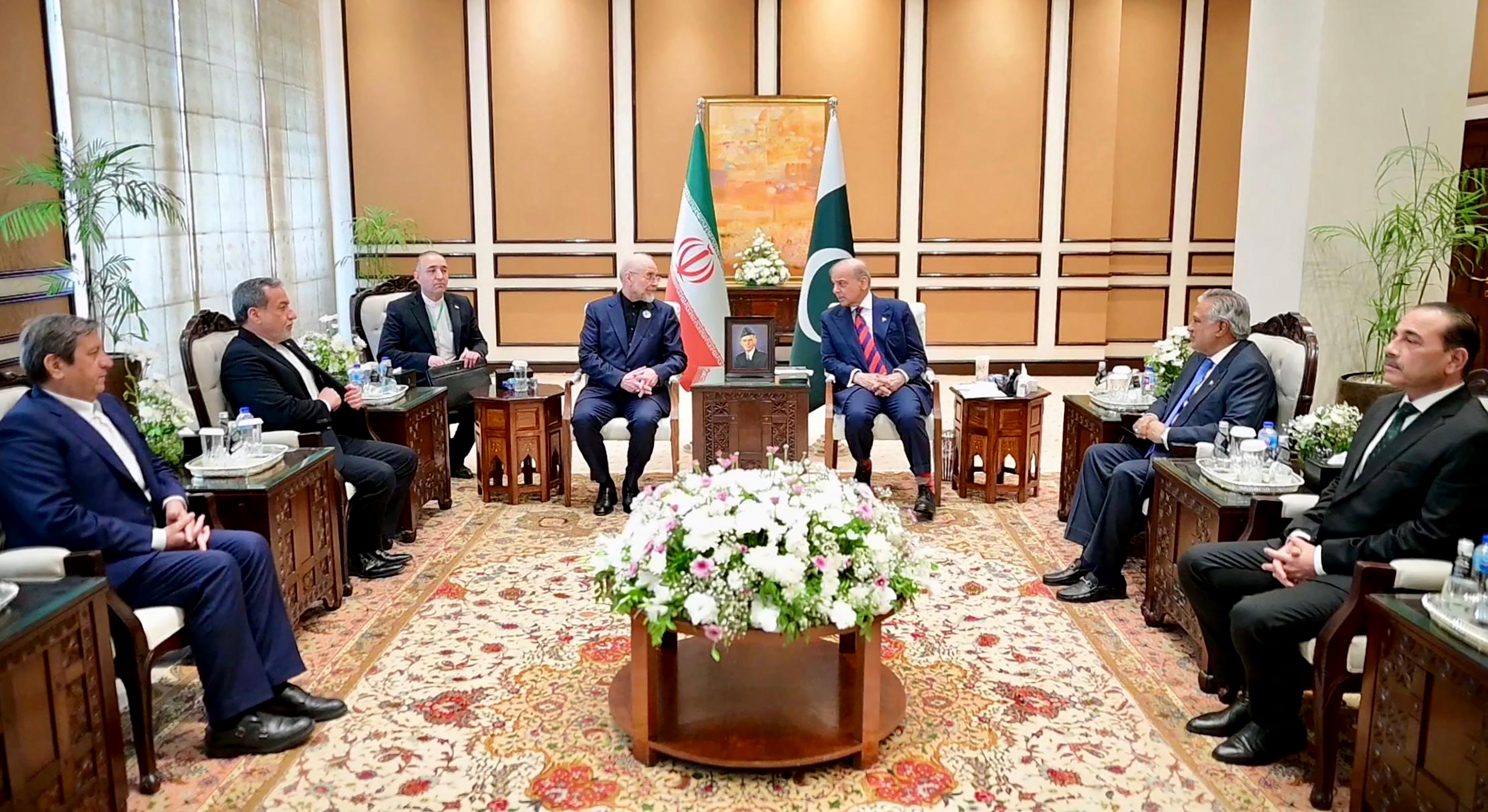
Vance also thanked Pakistan for its efforts to help the United States and Iran bridge the gap and get to a deal. Before the talks, the US and Iranian delegations met with Pakistani Prime Minister Shehbaz Sharif separately, who expressed the hope that these talks would serve as a stepping stone toward durable peace in the region.
Trump unbothered
US President Donald Trump said Saturday he is not bothered about the outcome of the US-Iran talks in Pakistan.
Trump insisted that the United States had come out ahead from the war. “Whether we make a deal or not makes no difference to me. The reason is because we’ve won,” Trump told reporters when departing the White House.
“We’re in very deep negotiations with Iran. So we win regardless,” Trump said.
“We’ve defeated them militarily. We’ve defeated their military. They have no navy. 158 ships are underwater. Undersea. All of their minesweepers,” he claimed.
Iran rejects claim 2 US warships transited Hormuz Strait
Meanwhile, Iran’s Khatam al-Anbiya Central Headquarters “strongly” denied Saturday that US vessels had approached or entered the Strait of Hormuz, rejecting a US claim that two warships had transited the waterway.
According to the semi-official Fars news agency, Ebrahim Zolfaghari, spokesman of the headquarters commanding all Iranian armed forces, said that the claim by US Central Command (CENTCOM) commander Brad Cooper about “the approach and entry of US vessels to the Strait of Hormuz is strongly denied,” and “authority over any vessel’s passage lies with the Armed Forces of the Islamic Republic of Iran.”
Earlier on Saturday, CENTCOM said that two US Navy guided-missile destroyers — USS Frank E. Peterson and USS Michael Murphy — transited the waterway and began mine-clearing operations in the Gulf.
In a post on social media platform X, CENTCOM said that the operation was “part of a broader mission to ensure the strait is fully clear of sea mines.”
“Today, we began the process of establishing a new passage and we will share this safe pathway with the maritime industry soon to encourage the free flow of commerce,” said Cooper.
Iranian military analyst Nima Akbarkhani told the semi-official Mehr news agency that even the world’s most advanced warship could not pass through the Strait of Hormuz undetected.
Akbarkhani added that the US warship attempted a “high-risk operation” on Saturday using electronic warfare and identity disguise, but Iran’s naval forces exercised restraint amid a recent ceasefire and issued a serious warning.
The developments come as delegations from Iran and the United States are currently in Islamabad for talks on easing tensions in the Middle East after a ceasefire was achieved between the two countries early Wednesday.
On Feb 28, Israel and the United States launched joint attacks on Tehran and several other Iranian cities, killing Iran’s then Supreme Leader Ali Khamenei, along with senior military commanders and civilians. Iran responded with waves of missile and drone strikes targeting Israel and US assets in the Middle East, and tightened control over the Strait of Hormuz by restricting passage by vessels belonging to or affiliated with Israel and the United States.