

Cargo ship seizure and tit-for-tat retaliation cloud prospects amid Hormuz impasse
Fears mounted on Monday that a tenuous truce between the United States and Iran could collapse after US forces opened fire on and forcibly seized an Iranian cargo ship near the Strait of Hormuz, prompting Iran to launch retaliatory attacks on US military vessels.
With the two-week ceasefire set to expire on Wednesday, Iran’s Foreign Ministry spokesman Esmail Baghaei told reporters on Monday that Tehran has no immediate plans to attend fresh talks with the US — though he stopped short of ruling out future participation entirely.
Accusing the US of lacking seriousness about diplomatic efforts, Baghaei told reporters that the US seizure of the Iranian cargo ship, its naval blockade of Iranian ports and delays in implementing the Lebanon ceasefire were all flagrant violations of the truce agreement.
US President Donald Trump said on Sunday that a US Navy guided missile destroyer in the Gulf of Oman “stopped them right in their tracks by blowing a hole in the engine room” and that US marines had taken custody of the vessel Touska. It marked the first such interception since the US imposed its blockade on Iranian ports last week.
Iran’s military called the US seizure an act of “armed piracy” and in retaliation, it sent drones to attack US military ships, according to latest news reports.
Ahead of the Hormuz skirmish, Trump said US negotiators, including Vice-President JD Vance, were expected to arrive in Islamabad, the capital city of Pakistan, on Monday. He earlier warned that the US would destroy every bridge and power plant in Iran if Tehran rejected his terms — a threat Iran countered by vowing to target the power stations and desalination plants of its Gulf neighbors hosting US military bases if its civilian infrastructure is attacked.
The impasse threatened to deepen an energy crisis and push the two countries toward renewed fighting that has killed at least 3,300 people in Iran and 13 US service members.
Oil prices climbed again in early Monday trading, with Brent crude, the international benchmark, trading at around $95 a barrel — up more than 30 percent from the day the war started.
“The security of the Strait of Hormuz is not free. The choice is clear: Either a free oil market for all, or the risk of significant costs for everyone,” Iran’s First Vice-president Mohammad Reza Aref wrote on social media. “Stability in global fuel prices depends on a guaranteed and lasting end to the economic and military pressure against Iran and its allies.”
However, Ebrahim Azizi, a member of the Iranian Parliament, told Al Jazeera that Iran has decided to continue talks with the US but has set non-negotiable red lines that must be strictly observed. When asked whether Tehran would send a delegation to Islamabad, he said the decision hinges on whether Iran receives positive signals from Washington.
Mediators, meanwhile, including Pakistan and other regional nations, were ramping up efforts to restart US-Iran talks following the first round of negotiations in Islamabad that ended without a breakthrough.
Pakistani Prime Minister Shehbaz Sharif on Sunday had a phone call with Iranian President Masoud Pezeshkian. During the 45-minute conversation, Sharif apprised the Iranian leader of his recent engagements with regional leaders, including those of Saudi Arabia, Qatar and Turkiye, stressing that such diplomacy was crucial for building consensus for lasting peace.
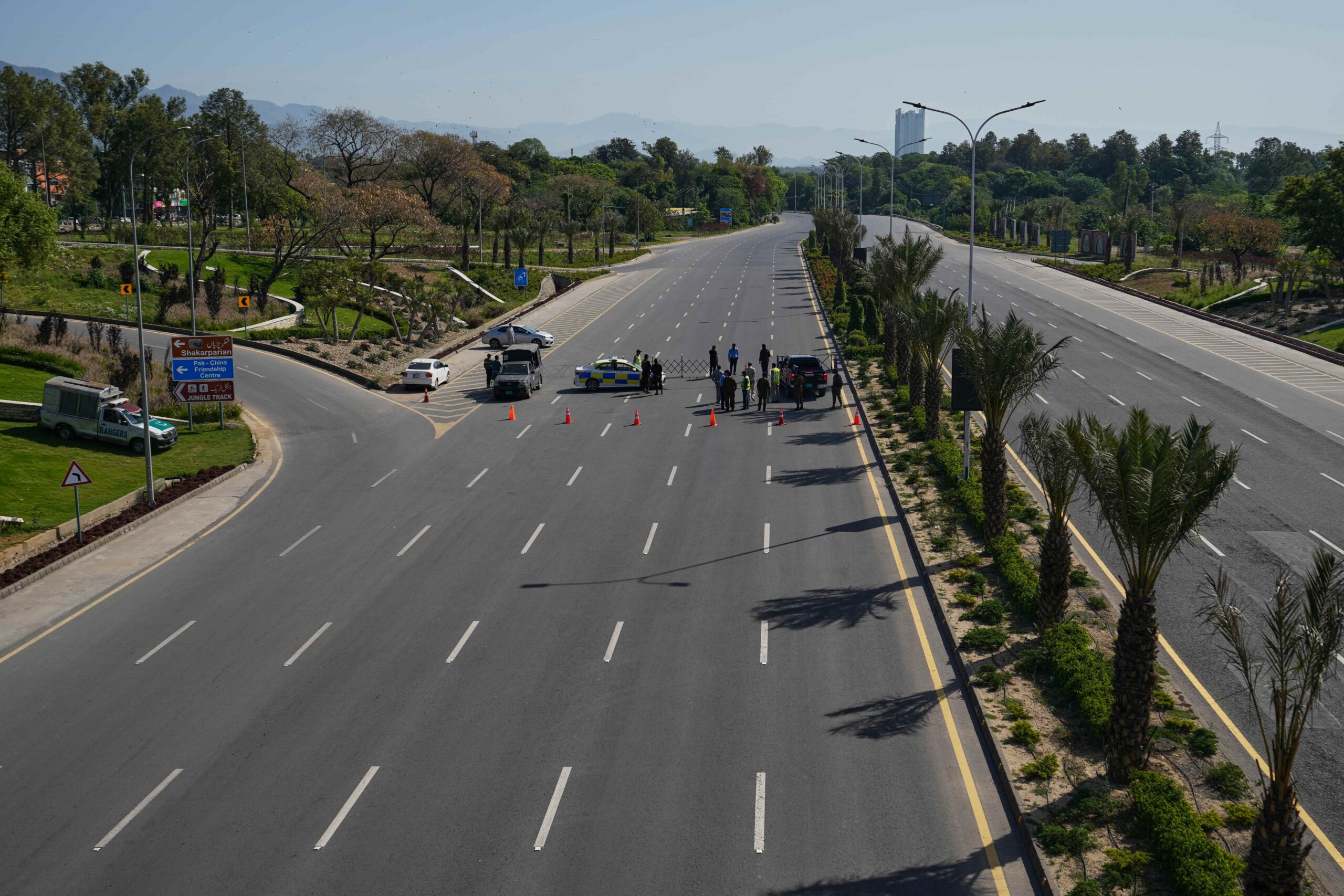
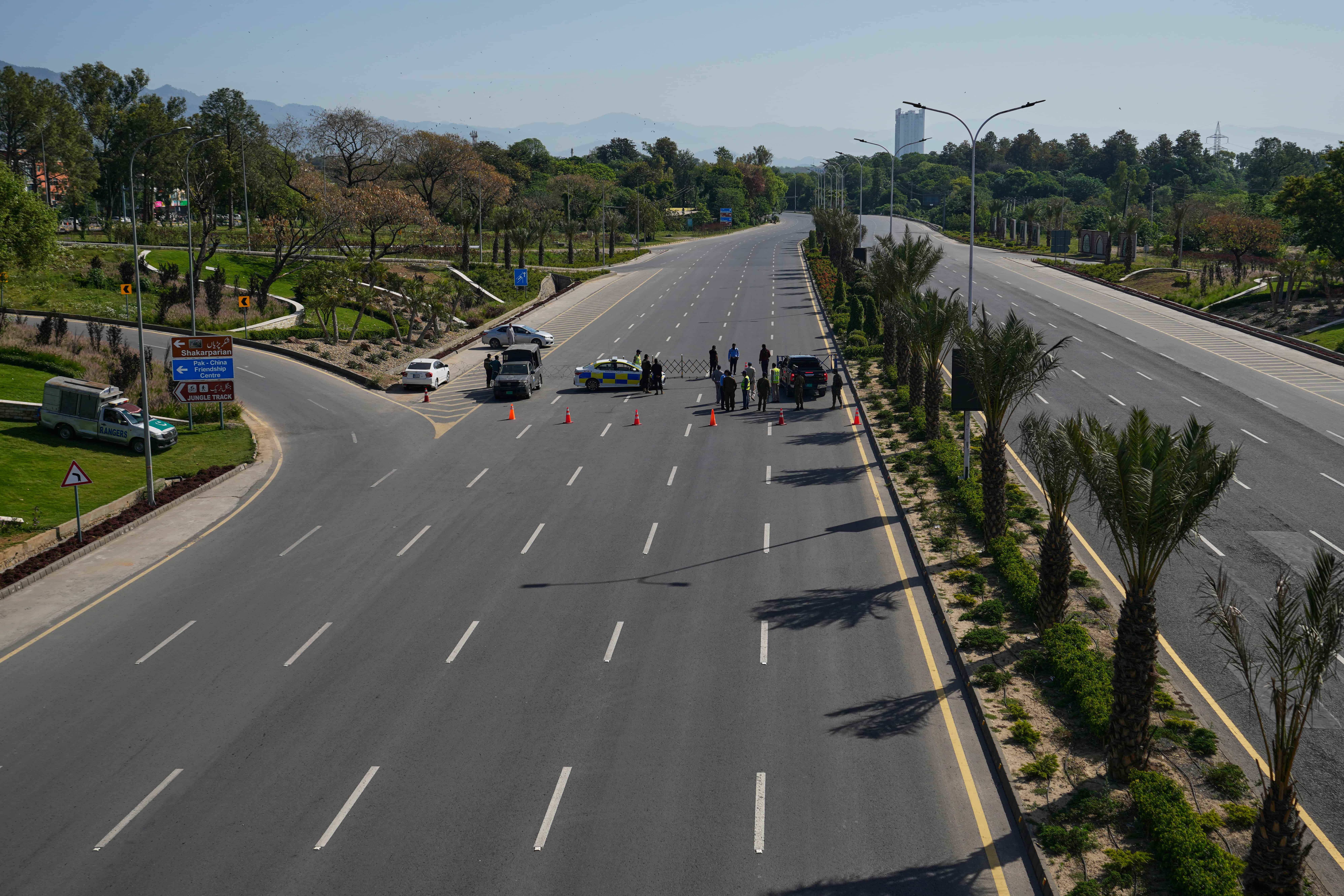
To prepare for potential talks, Pakistan has placed Islamabad on high security alert. Nearly 20,000 police, paramilitary and army personnel have been deployed to secure the area, police sources said.
The Strait of Hormuz is only one of the major obstacles ahead. According to statements from both sides and media reports, the nuclear issue remains another key point of contention.
Trump said on Friday that the US would work with Iran to remove its enriched uranium. CNN, citing informed sources, reported that Washington is prepared to unfreeze $20 billion in Iranian assets in exchange for Tehran handing over its stockpile, a proposal rejected by Iranian Deputy Foreign Minister Saeed Khatibzadeh as “impossible”.
Military action alone will not open Hormuz, nor fix the US’ problem with Iran’s enriched uranium, and the idea of a grand bargain in the short term is impossible to achieve, said Alex Vatanka, senior fellow at the Middle East Institute.
“The best you can do is some kind of agreement of a basic framework,” he told Al Jazeera. “And then you have to go and quickly build on it. It will take at least months, if not years.”
Contact the writers at