

WASHINGTON/BEIRUT – Israel and Lebanon laid out different expectations on a peace deal during talks here on Tuesday, with Israel insisting on Hezbollah’s disarmament and Lebanon calling for a ceasefire and concrete measures to ease the severe humanitarian crisis resulting from the ongoing conflict, according to a statement from the US State Department.
All sides agreed to launch direct negotiations at a mutually agreed time and venue, said the statement.
The meeting marked the first major high-level engagement between the governments of Israel and Lebanon since 1993, it said.
In the statement, the US administration reaffirmed Israel’s “right to defend itself” from Hezbollah’s continued attacks, suggesting that the Israeli strikes on Lebanon and its ground invasion in the country’s south will likely continue.
The Trump administration backs continued talks but any ceasefire deal must be negotiated between the two governments with US mediation, “not through any separate track,” said the statement, signaling that Washington does not view Lebanon as part of the current US ceasefire with Iran or the fresh US-Iran peace talks which US President Donald Trump said earlier Tuesday could happen over the next two days.
Lebanese Ambassador to the US Nada Hamadeh and Israeli Ambassador to the US Yechiel Leiter took part in the talks, along with US Secretary of State Marco Rubio, US Ambassador to Lebanon Michel Issa, US Ambassador to the United Nations Mike Waltz, as well as US State Department counselor Michael Needham.
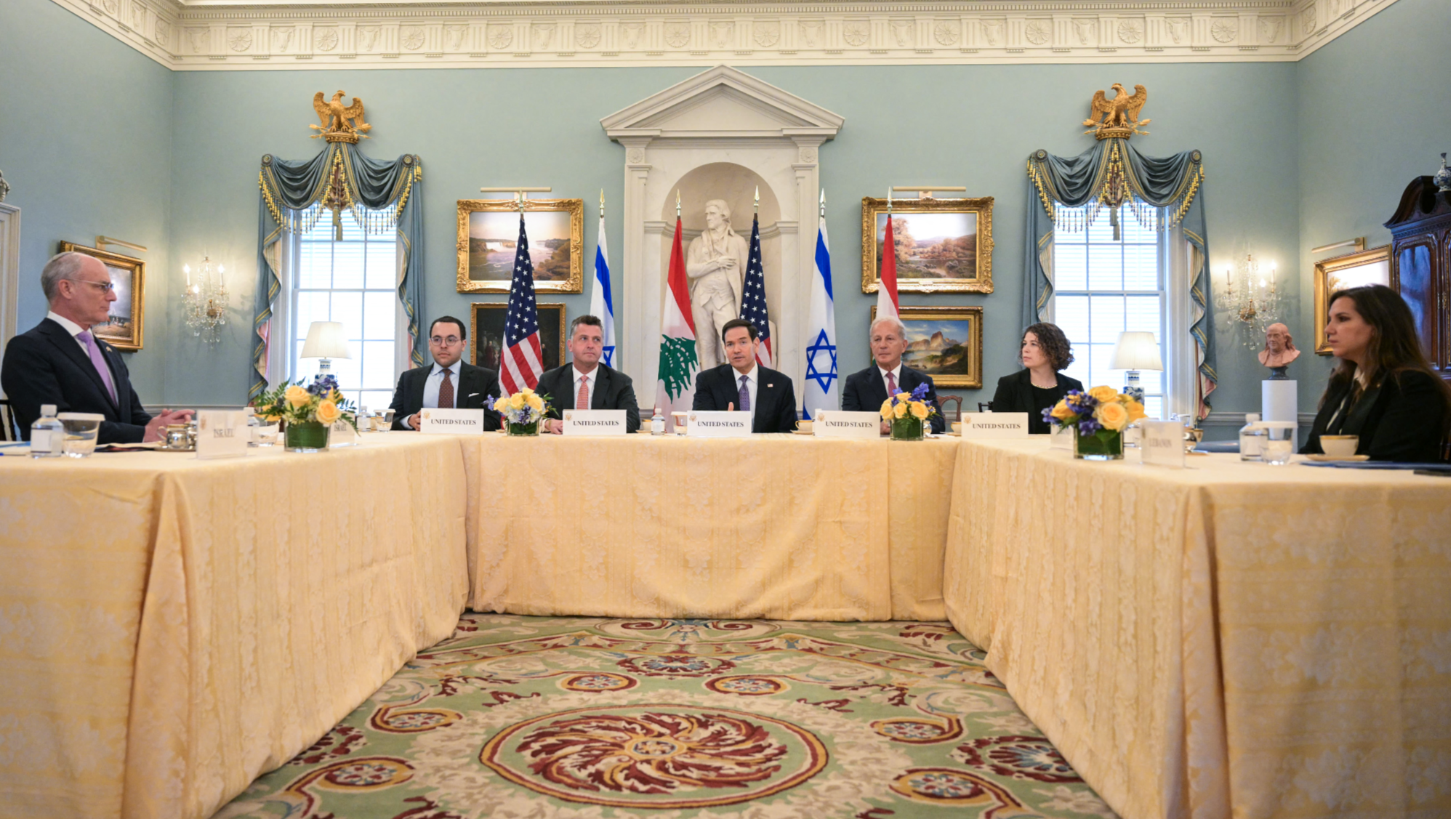
Israel and Lebanon have no formal diplomatic relations, and Hezbollah has long been viewed by Israel as a “proxy” of Iran. The negotiating party with Israel is the Lebanese government, not Hezbollah.
“All of the complexities of this matter are not going to be resolved in the next six hours,” Rubio said in opening remarks. “This is a process, not an event.”
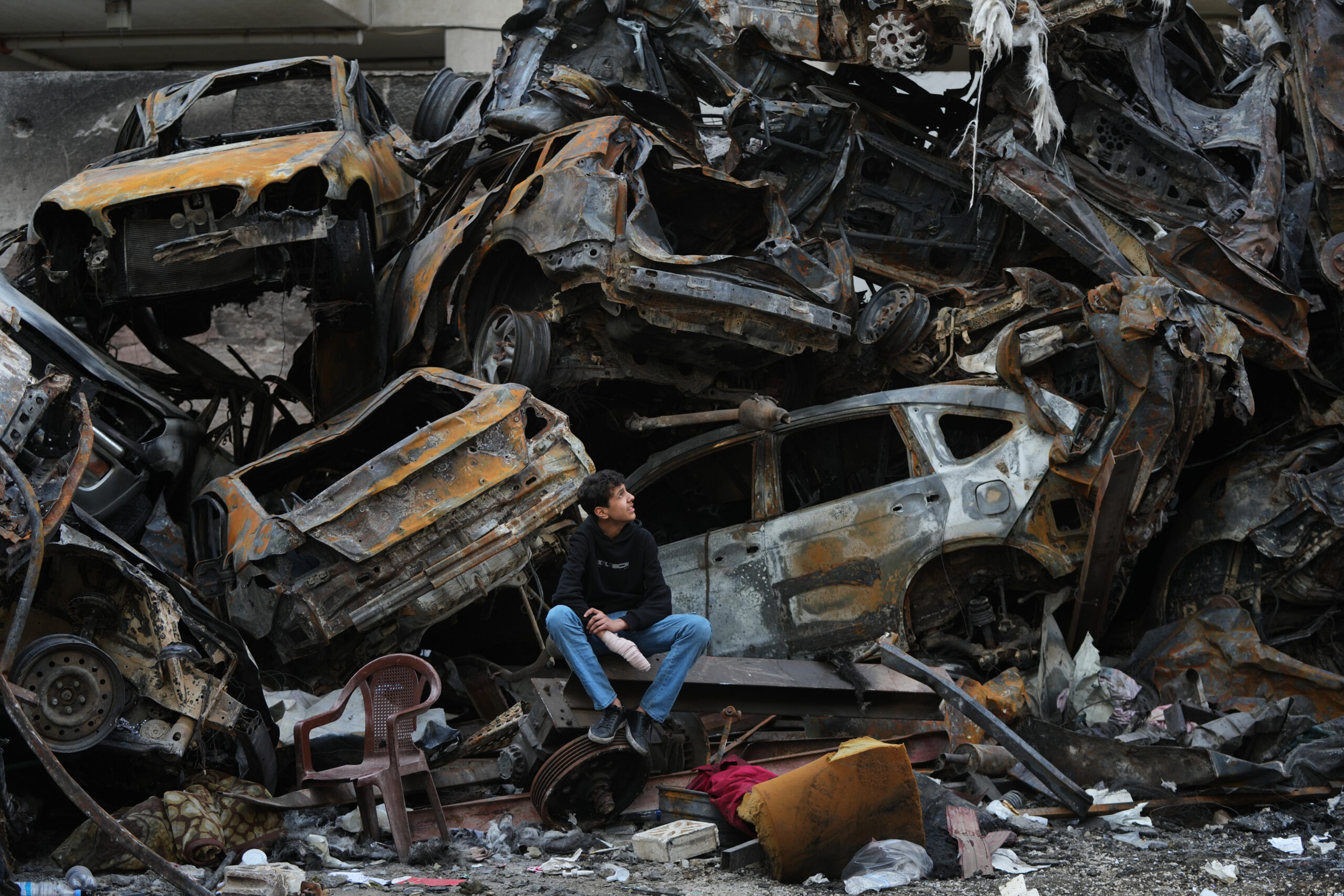
Hezbollah entered the US-Israeli war with Iran on March 2, launching rockets from southern Lebanon toward Israel for the first time since the 2024 ceasefire. Israel responded with ground offensive amid an intensified military campaign targeting multiple areas across the country, killing more than 2,000 people.
At least 35 people have been killed in Israeli attacks on Lebanon in the past 24 hours, the Lebanese health ministry said in its daily update on Tuesday.
Hezbollah said it fired rockets toward the Upper Galilee region in northern Israel on Tuesday, in response to Israeli violations of a ceasefire agreement and continued attacks on villages in southern Lebanon.
The group said in a statement that the strikes were carried out at 18:15 local time (1530 GMT), targeting 13 Israeli settlements. The attacks come amid the first ongoing talks in Washington between the Lebanese and Israeli governments.
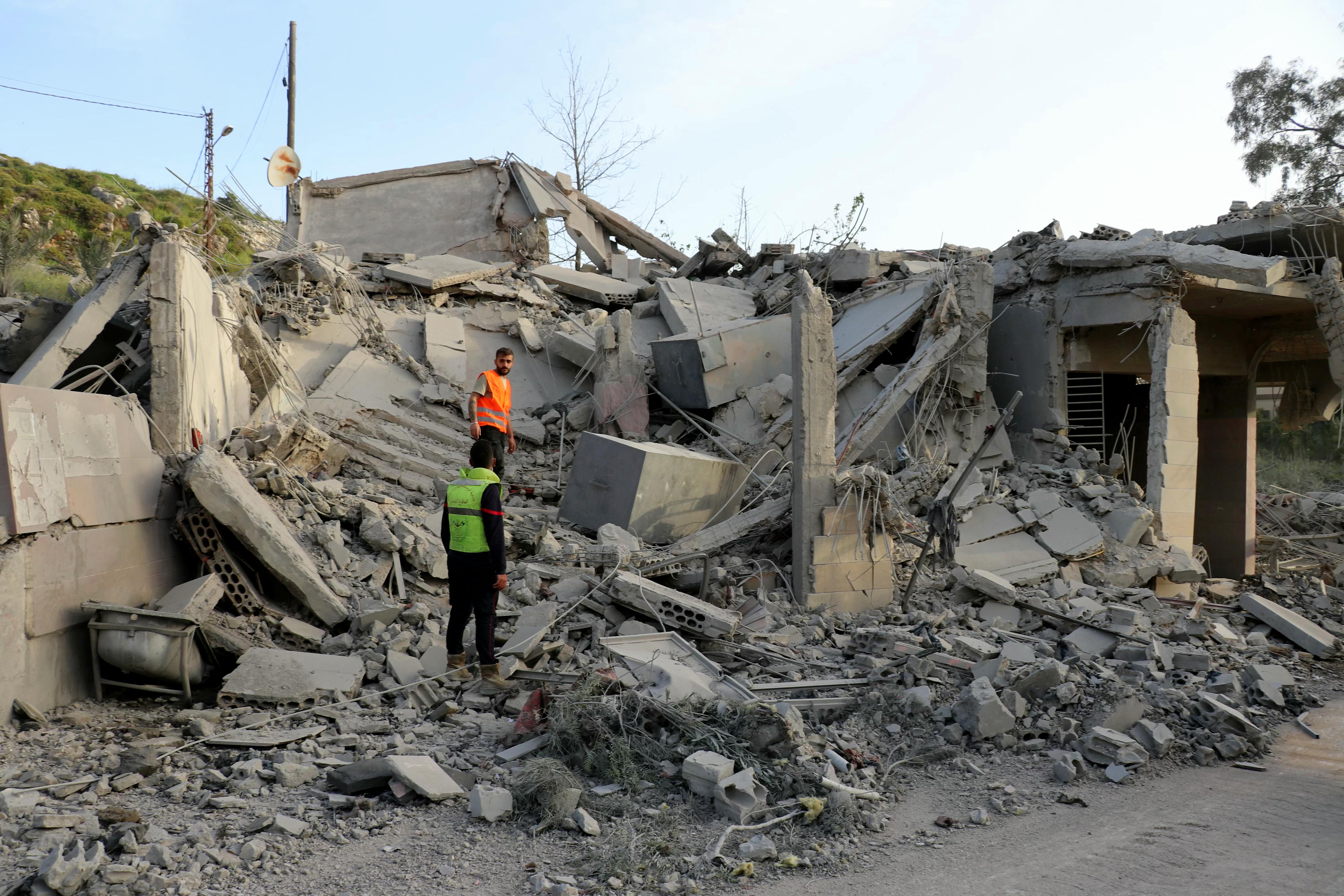
Lebanese President Joseph Aoun said Tuesday he hopes the ongoing talks in Washington will mark the beginning of an end to the suffering of the Lebanese people, particularly in the south, as the death toll from ongoing Israeli attacks rose to 2,124, with 6,921 injured since March 2, when Hezbollah started firing rockets toward Israel in support of Iran.
Speaking during a meeting with visiting Chief of the Italian Defense Staff Luciano Portolano, Aoun also noted stability will not return to southern Lebanon as long as the Israeli army maintains a presence on Lebanese territory.
Aoun added that the only viable solution lies in the full deployment of the Lebanese army up to internationally recognized borders, making it the sole authority responsible for security in the south.
The Lebanese government has been seeking to extend state authority over all its territory, including efforts to address the issue of arms held by non-state actors such as Hezbollah. However, progress has remained slow and complex, amid continued Israeli strikes and internal political sensitivities.