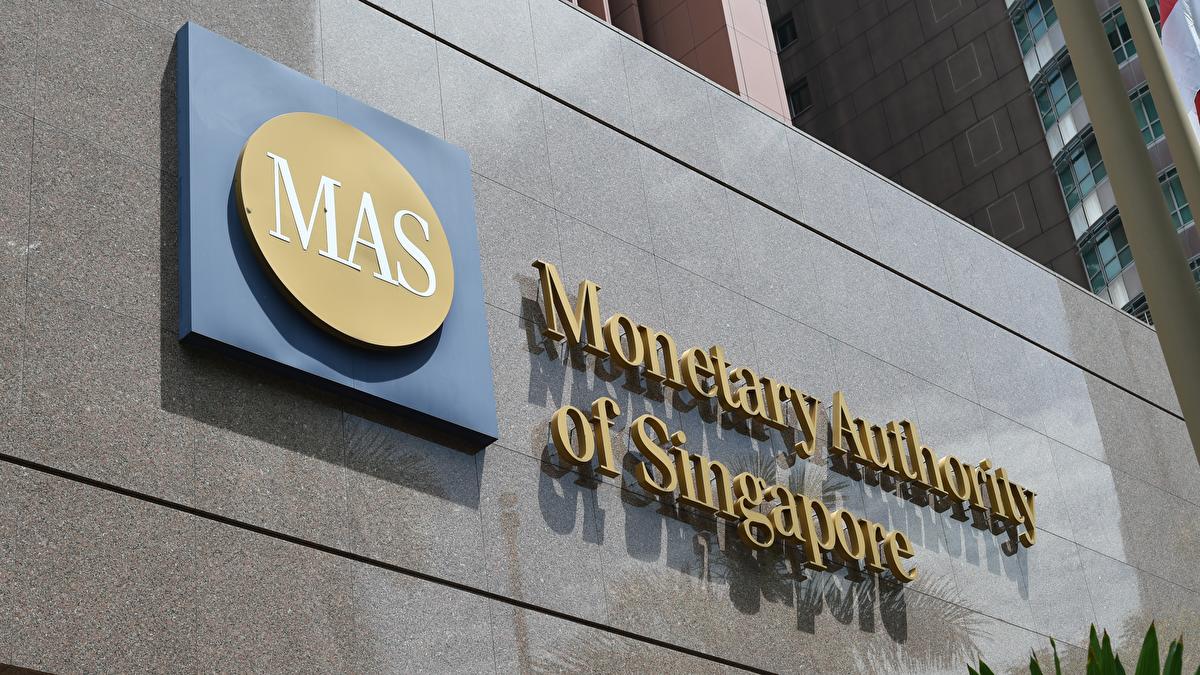


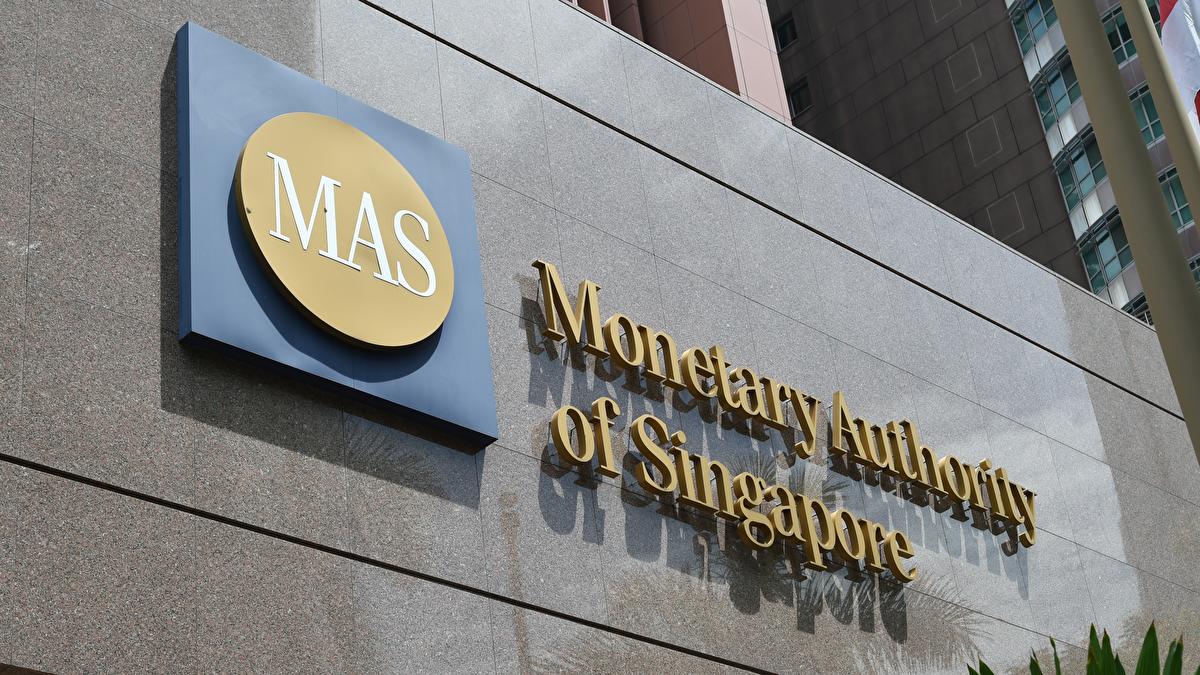
SINGAPORE — The Monetary Authority of Singapore (MAS) has on Tuesday slightly tightened monetary policy, raising the rate of appreciation of the Singapore dollar nominal effective exchange rate policy band, as rising global energy prices and supply disruptions threaten to push inflation higher in the coming quarters.
In a statement, the MAS said it would maintain the width of the policy band and its center, while allowing for a modestly faster appreciation of the Singapore dollar nominal effective exchange rate.
Since its January 2026 review, the Singapore dollar nominal effective exchange rate has strengthened within the upper half of the band.
The move comes amid escalating energy market disruptions linked to constrained shipping through the Strait of Hormuz since late February. This has driven up global prices of crude oil, natural gas and related commodities, leading to higher import costs and physical shortages across Asia.
Meanwhile, Singapore’s inflation forecasts have been revised upward, with both core inflation and headline inflation now expected to come in at 1.5 percent to 2.5 percent in 2026, up from the previous 1 percent to 2 percent range.
The MAS noted risks to inflation and growth remain elevated.
“A more persistent disruption to energy supplies will exacerbate inflationary pressures worldwide, as well as deepen the drag on growth,” it said, adding that shortages of key inputs may disrupt industrial production.
Tighter global financial conditions or a pullback in artificial intelligence-related investment could add to downside risks, it said.